
There are few things more distracting—or awkward—than the rhythmic squeak of your shoes with every step. Whether you're walking into a meeting, strolling through a quiet library, or just trying to enjoy a peaceful morning walk, that persistent noise can draw unwanted attention. The good news? Most squeaks aren’t permanent defects. They’re usually caused by friction, moisture, or loose components—all of which can be addressed with straightforward solutions.
Squeaking occurs when two materials rub together under pressure, creating a high-pitched sound. In shoes, this often happens between insoles and midsoles, within layered soles, or due to trapped moisture. The fix depends on identifying the source. With a bit of investigation and the right technique, you can silence your shoes quickly and effectively—often without spending a dime.
Identify the Source of the Squeak
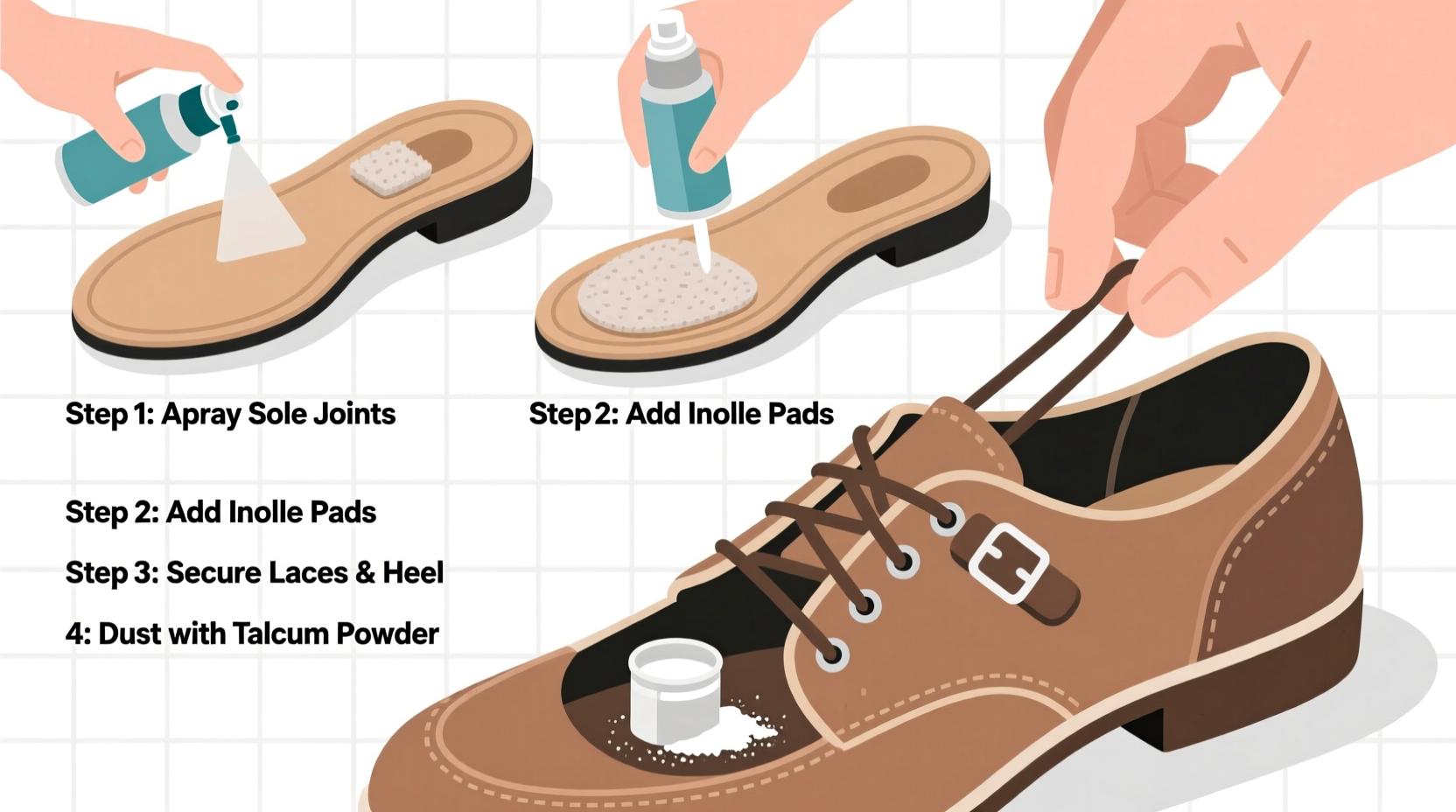
Before attempting any fix, it’s essential to locate where the noise is coming from. Jumping straight into remedies without diagnosis can waste time and may even worsen the issue. Begin by isolating the problem area through observation and testing.
Walk around slowly on different surfaces—carpet, tile, hardwood—and pay close attention to when the sound occurs. Is it during heel strike? Mid-step? Only when your foot twists slightly? This timing can help pinpoint the culprit.
- Insole friction: A common cause, especially in new shoes. The insole rubs against the midsole or outsole when compressed.
- Moisture inside the shoe: Wet foam or trapped water between layers can create squishing or squeaking sounds.
- Loose sole or delamination: If the outsole is separating slightly from the upper or midsole, movement creates noise.
- Shoe material interaction: Certain leathers or synthetic uppers can rub against each other, particularly if stiff or poorly broken in.
Once you’ve narrowed down the likely source, choose the appropriate remedy. Misdiagnosing the issue—like applying powder to a delaminated sole—won’t solve the problem.
Effective DIY Fixes for Common Squeaks
Most squeaks can be silenced at home with basic supplies. The following methods target specific causes and are backed by both user experience and footwear technicians.
1. Use Talcum Powder or Baby Powder (For Insole Friction)
When the insole rubs against the midsole, a light lubricant like talcum powder reduces friction. Pour a small amount inside the shoe, replace the insole, and walk around for a few minutes to distribute it evenly.
This method works best for fabric or foam insoles. Avoid using oils or petroleum jelly, as they can degrade adhesives or foam over time.
2. Apply Dry Bar Soap to Insoles
If powder doesn’t last, lightly rub a dry bar of soap (like Ivory) across the bottom of the insole. The waxy residue acts as a longer-lasting lubricant without making surfaces slippery. Reapply every few weeks if needed.
3. Insert a Sheet of Paper or Fabric Softener Sheet
A thin barrier between the insole and midsole can stop vibration-based squeaks. Crumple a single sheet of printer paper or insert a used dryer sheet—it adds texture and absorbs minor moisture while reducing direct contact.
4. Dry Out Moisture-Trapped Shoes
If your shoes have been exposed to rain or sweat, moisture may be trapped between layers. Remove the insoles and stuff the shoes with newspaper or silica gel packets. Let them air-dry in a well-ventilated area (not in direct sunlight or near heaters, which can warp materials).
Drying may take 24–48 hours. The squeak should disappear once all internal moisture evaporates.
5. Tighten Loose Components
If the outsole is slightly lifting or the heel counter feels unstable, gently press the areas back into place and apply firm pressure for several minutes. For minor delamination, a small amount of shoe glue (like Barge Cement) applied with a toothpick can re-adhere separated layers. Clamp with masking tape overnight.
“Many squeaks stem from poor fit between insole and chassis. A little powder or a micro-thin shim can eliminate 80% of cases.” — Carlos Mendez, Footwear Repair Technician with 18 years of experience
Step-by-Step Guide: Silence Your Shoes in Under an Hour
Follow this logical sequence to diagnose and fix most squeaks efficiently.
- Remove the insole and inspect for wear, moisture, or debris.
- Test the shoe without the insole. Walk in it briefly. If the squeak stops, the insole is the issue.
- Clean the insole and cavity. Wipe both with a dry cloth to remove dust or grit.
- Apply talcum powder inside the shoe bed and on the insole’s underside.
- Reinsert the insole and walk around for 5–10 minutes to test.
- If the squeak persists, try placing a crumpled piece of paper or a fabric softener sheet beneath the insole.
- For non-insole squeaks, check for moisture. If damp, dry thoroughly using newspaper.
- Inspect the sole edges for separation. If found, clean the area and apply a drop of shoe adhesive.
- Let shoes rest overnight before wearing again, especially after gluing.
- Retest on multiple surfaces the next day.
This process addresses the majority of squeaking issues. If the noise continues after completing all steps, the structural integrity of the shoe may be compromised, and professional repair or replacement might be necessary.
Do’s and Don’ts: What to Avoid When Fixing Squeaky Shoes
Misguided attempts to fix squeaks can damage your footwear. The table below outlines best practices and common pitfalls.
| Do’s | Don’ts |
|---|---|
| Use talcum powder or cornstarch to reduce insole friction | Use oil, WD-40, or butter—these degrade adhesives and foam |
| Let wet shoes dry naturally with newspaper inside | Place shoes directly on radiators or in ovens to speed drying |
| Apply shoe-specific glue for loose soles | Use super glue (cyanoacrylate), which becomes brittle and cracks |
| Insert a thin fabric or paper shim under the insole | Add thick padding that alters fit and causes blisters |
| Store shoes in a cool, dry place to prevent moisture buildup | Keep shoes in plastic bags, which trap humidity |
Real Example: Fixing a Squeaky Work Loafer
Mark, a financial analyst, noticed his dress loafers began squeaking loudly during client meetings. Embarrassed, he tried spraying them with deodorizer, which did nothing. He then removed the insole and discovered it was slightly warped and rubbing against the midsole.
He cleaned both surfaces, sprinkled baby powder in the shoe bed, and placed a used dryer sheet beneath the insole before reinserting it. After walking around his apartment for ten minutes, the squeak was gone. Two weeks later, the noise returned faintly, so he repeated the process with a fresh dryer sheet. The shoes remained silent for the rest of their lifespan—over eight months.
This case illustrates how a simple, low-cost intervention can resolve what feels like a major annoyance. Mark didn’t need new shoes or a cobbler—just a clear understanding of the root cause.
Prevention Tips to Keep Shoes Quiet Long-Term
Once you’ve silenced a squeak, take steps to prevent it from returning. Prevention is easier than repair and extends the life of your footwear.
- Break in new shoes gradually. Wear them for short periods initially to allow materials to conform without excessive stress.
- Keep shoes dry. Use waterproof sprays on leather and fabric shoes if exposed to rain or snow.
- Replace worn insoles. Over time, cushioning compresses and creates uneven surfaces that lead to noise.
- Avoid extreme temperatures. Heat can soften adhesives; cold can make rubber brittle—both contribute to separation.
- Store shoes properly. Use shoe trees or stuff toes with paper to maintain shape and airflow.
High-quality shoes are less likely to squeak because they use better adhesives and construction techniques. However, even premium footwear isn’t immune—especially if exposed to moisture or heavy use.
Frequently Asked Questions
Why do my brand-new shoes squeak?
New shoes often squeak due to tight manufacturing tolerances. The insole may not have settled yet, or protective films on soles haven’t worn off. Friction between stiff materials can also generate noise until the shoe breaks in. Try powdering the insole or wearing the shoes indoors for a few hours to resolve it.
Can I fix a squeaky running shoe without affecting performance?
Yes. Most fixes—like adding powder or drying out moisture—are non-invasive and won’t impact cushioning or support. Avoid injecting liquids or glues deep into the midsole, as this could compromise structural integrity. Stick to external or insole-level interventions.
Is a squeaky shoe a sign of poor quality?
Not necessarily. Even well-made shoes can develop squeaks due to environmental factors like humidity or sudden temperature changes. However, if multiple pairs from the same brand consistently squeak, it may indicate subpar assembly or material bonding processes.
Checklist: How to Stop Shoe Squeaking – Quick Action Plan
Use this checklist the next time your shoes start making noise:
- ☐ Identify when and where the squeak occurs
- ☐ Remove the insole and test the shoe without it
- ☐ Clean the insole and shoe bed with a dry cloth
- ☐ Sprinkle talcum or cornstarch inside the shoe
- ☐ Insert a crumpled paper or dryer sheet under the insole
- ☐ Check for moisture and dry thoroughly if needed
- ☐ Inspect the sole for separation or looseness
- ☐ Apply shoe glue to any lifted edges if necessary
- ☐ Allow 12–24 hours for glue or drying to set
- ☐ Retest on multiple surfaces before regular wear
Conclusion: Silence Starts Today
Squeaky shoes don’t have to be a permanent annoyance. With a few minutes of inspection and the right approach, you can eliminate embarrassing noises using items already in your home. From powders to paper inserts, drying techniques to targeted glue application, the solutions are accessible, affordable, and effective.
The key is acting early. The longer a squeak persists, the more likely it is to indicate deeper wear—like sole separation or foam degradation. Addressing it promptly not only restores quiet comfort but also helps preserve your shoes’ overall condition.




 浙公网安备
33010002000092号
浙公网安备
33010002000092号 浙B2-20120091-4
Comments
No comments yet. Why don't you start the discussion?