
Synthetic jackets are a staple in winter wardrobes—lightweight, water-resistant, and often insulated for warmth. But when the air turns cold and dry, these practical outer layers come with an annoying side effect: static cling. Jackets that stick to your body, attract lint, or spark when touched can be more than just irritating—they disrupt comfort and confidence. The root cause lies in low humidity and the insulating nature of synthetic fibers like polyester and nylon, which easily build up electrical charges. Fortunately, this issue is both preventable and manageable with the right techniques. This guide offers actionable strategies grounded in material science and real-world use to keep your synthetic jacket functioning—and feeling—smooth all season long.
Understanding Why Static Cling Happens
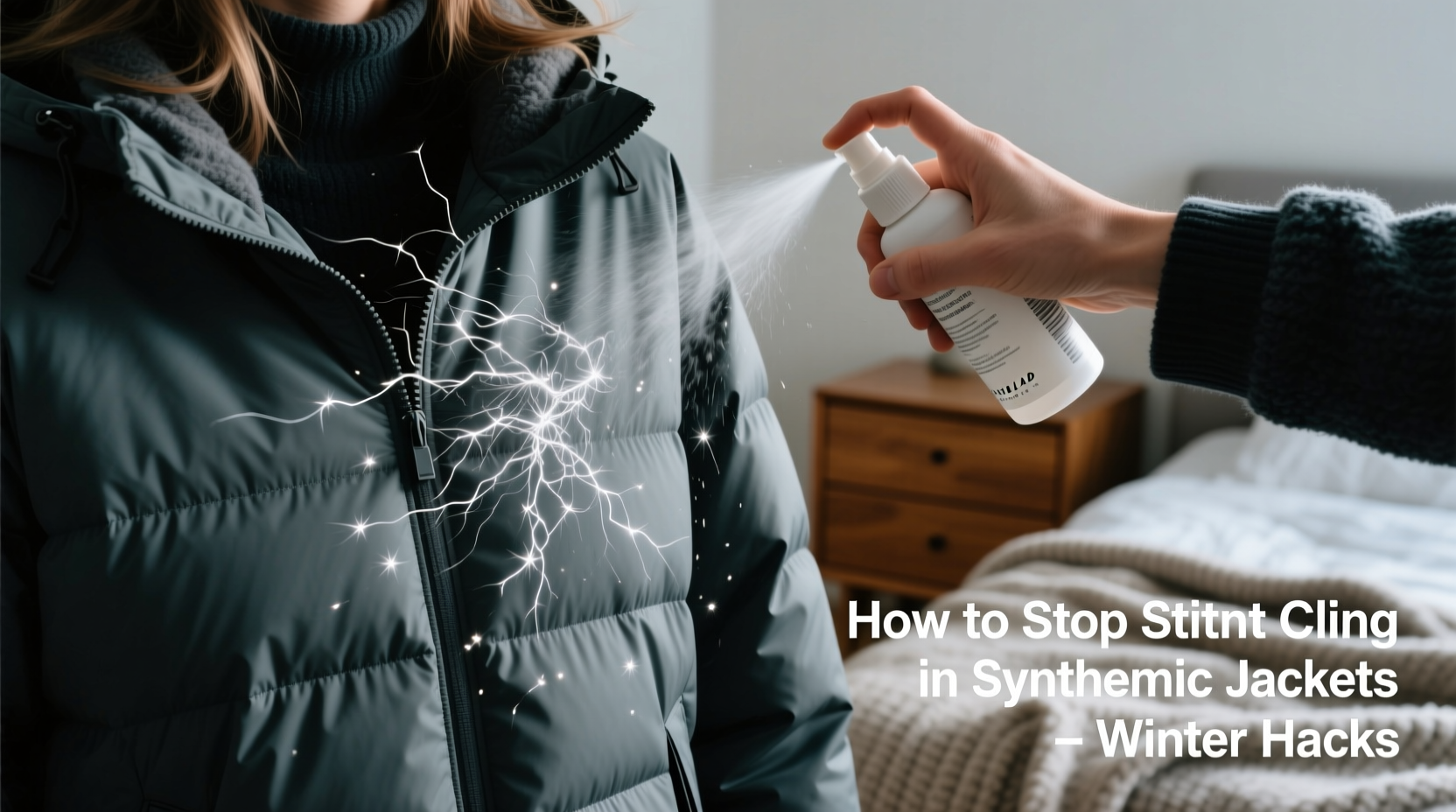
Static electricity occurs when electrons transfer between materials through friction—a process called triboelectric charging. Synthetic fabrics such as polyester, nylon, and acrylic are especially prone to gaining or losing electrons because they are non-conductive. When you move inside your jacket, layers rub together (or against your clothing), creating an imbalance of electrical charge. In humid conditions, moisture in the air helps dissipate this charge. But in the dry winter months, indoor heating reduces relative humidity to as low as 10–20%, turning homes into ideal environments for static buildup.
The result? Your jacket clings to your shirt, shocks your fingers when touching metal, and attracts dust and pet hair like a magnet. While not harmful, persistent static can degrade fabric over time and reduce wearing comfort. Addressing the problem requires a multi-pronged approach: modifying the environment, treating the fabric, and adjusting daily habits.
Effective Prevention Methods at Home
The first line of defense against static cling starts before you even put on your jacket. Environmental control and pre-treatment can dramatically reduce or eliminate static issues.
Use a Humidifier Regularly
Dry air is the primary enabler of static electricity. Adding moisture back into your home environment neutralizes electrical charges on fabric surfaces. A cool-mist humidifier in frequently used rooms—especially bedrooms and living areas—can raise humidity to optimal levels. Models with built-in hygrometers allow precise control, ensuring you don’t over-humidify, which could encourage mold growth.
Wash with Anti-Static Agents
During laundry, small changes make a big difference. Fabric softeners coat fibers with lubricating chemicals that reduce friction and dissipate charge. Liquid softeners added in the rinse cycle are effective, but dryer sheets offer targeted anti-static benefits. Toss one into the dryer with your jacket—just ensure it's safe for performance fabrics (check the label). For eco-conscious users, wool dryer balls serve a dual purpose: they soften clothes naturally and separate garments in the dryer, reducing contact-based charging.
| Method | Effectiveness | Best For |
|---|---|---|
| Fabric softener (liquid) | High | Regular washes, strong odor masking |
| Disposable dryer sheets | High (short-term) | Quick fixes, travel prep |
| Wool dryer balls | Moderate | Eco-users, sensitive skin |
| Vinegar rinse | Moderate | Natural cleaning, odor removal |
Store Jackets with Moisture Control
Even after washing, improper storage can reintroduce static. Avoid plastic garment bags, which trap dry air and increase charge retention. Instead, hang jackets in breathable cotton garment covers or store them on wooden hangers in a closet with airflow. Placing a small bowl of water or a silica gel pack nearby helps stabilize microclimate humidity.
“Maintaining ambient humidity above 40% reduces static incidents by over 70% in synthetic textiles.” — Dr. Lena Torres, Textile Physicist at the Institute for Material Innovation
On-the-Spot Solutions for Immediate Relief
Sometimes, static strikes when you're already dressed and heading out. These quick fixes require minimal tools and deliver fast results.
Moisturize Skin and Fabric
Dry skin amplifies static interaction. Applying hand or body lotion before dressing creates a conductive layer that prevents charge accumulation. For immediate fabric relief, lightly mist the inside of the jacket with water using a spray bottle. One or two sprays are enough—over-wetting can damage insulation or cause staining.
Carry a Metal Object
Keys, coins, or even a safety pin can discharge built-up static. Before removing your jacket, touch a metal surface with the object to safely ground the charge. Alternatively, run a metal hanger along the interior lining to neutralize the field.
Use Hairspray or Anti-Static Spray
A light application of unscented hairspray (held 12 inches away) on the jacket’s inner lining disperses static quickly. The polymers in the spray act as temporary conductors. Dedicated anti-static sprays for clothing work even better and won’t leave residue. Always test on a small area first to avoid discoloration.
Step-by-Step Guide to Long-Term Static Management
For lasting results, follow this weekly routine to maintain your synthetic jackets:
- Assess humidity levels in your home using a digital hygrometer. If below 40%, activate a humidifier.
- Wash the jacket every 3–4 weeks using cold water and a mild detergent. Add ½ cup of white vinegar to the rinse cycle to remove detergent residue that increases static.
- Tumble dry on low heat with 2–3 wool dryer balls. Avoid high heat, which damages synthetic fibers and increases charge retention.
- After drying, immediately hang the jacket to cool completely. Do not fold or compress while warm, as this encourages fiber stress and static reformation.
- Apply a fabric refresher spray containing anti-static agents once a week, especially before extended outdoor use.
- Inspect seams and linings monthly for signs of pilling or wear, which increase friction and static risk.
This routine not only combats static but also extends the life of your jacket by preserving its breathability, insulation, and water-repellent coating.
Real-World Example: Commuter’s Static Fix
Mark, a software developer in Minneapolis, faced daily static issues with his lightweight polyester jacket during his commute. “Every morning, my jacket would cling to my sweater and shock me when I touched the office door handle,” he said. After tracking humidity in his apartment, he found levels were consistently below 25%. He purchased a compact humidifier for his bedroom and began using wool dryer balls instead of chemical sheets. Within a week, the shocks stopped. “I didn’t realize how much dry air was affecting my clothes,” Mark noted. “Now my jacket slides on smoothly, and I don’t worry about looking disheveled from clinging fabric.”
Common Mistakes That Worsen Static Cling
Some well-intentioned habits actually exacerbate the problem. Avoid these pitfalls:
- Over-drying clothes: Extended dryer cycles remove all residual moisture, making fabrics more prone to charging.
- Using harsh detergents: Strong surfactants strip natural oils and leave behind residues that increase friction.
- Layering synthetic fabrics: Wearing polyester base layers under a nylon jacket maximizes charge generation. Opt for natural fibers like cotton or merino wool underneath.
- Ignoring dryer maintenance: Lint buildup reduces airflow and increases heat, worsening static and posing fire risks.
Checklist: Stop Static in 7 Simple Actions
- Measure indoor humidity (aim for 40–50%)
- Run humidifier if needed
- Wash jacket with vinegar or softener
- Dry with wool dryer balls on low heat
- Hang jacket to cool fully after drying
- Lightly mist interior with anti-static spray
- Moisturize hands and arms before wearing
Frequently Asked Questions
Can I use aluminum foil in the dryer to reduce static?
Yes, crumpled aluminum foil can help discharge static when tumbled with clothes. It works by conducting electrons away from fabrics. However, use only one clean ball and avoid sharp edges that could snag delicate materials. Note: Do not use foil with heated dryers or near damaged drums, as it may pose a fire hazard.
Will washing my jacket less often reduce static?
No—infrequent washing leads to buildup of oils, sweat, and detergent residue, all of which increase friction and static potential. Washing every few weeks maintains fabric integrity and reduces cling. Just use gentle cycles and avoid high heat.
Are there permanent anti-static treatments for synthetic jackets?
Yes, professional textile treatments using conductive polymers can provide long-lasting protection. Products like carbon-infused coatings or silicone-based finishes are applied during manufacturing or via specialty care services. DIY versions are limited, but regular use of anti-static sprays mimics this effect temporarily.
Conclusion: Take Control of Winter Static Today
Static cling in synthetic jackets isn’t inevitable—it’s a solvable problem rooted in environmental conditions and care practices. By understanding how static forms and applying consistent, science-backed methods, you can enjoy smooth, comfortable wear all winter long. From optimizing indoor humidity to adopting smarter laundry habits and carrying simple on-the-go remedies, each step adds up to noticeable improvement. Don’t let crackling fabrics ruin your day. Implement these strategies now and experience the difference in both comfort and confidence.




 浙公网安备
33010002000092号
浙公网安备
33010002000092号 浙B2-20120091-4
Comments
No comments yet. Why don't you start the discussion?