
Cats scratch. It's not defiance—it's instinct. Scratching helps them shed old claw layers, mark territory through scent glands in their paws, stretch muscles, and relieve stress. Unfortunately, this natural behavior often targets furniture, especially sofas, which are prime real estate for a good stretch after a nap. But destroying your favorite couch isn’t inevitable. With patience, understanding, and the right strategy, you can redirect your cat’s scratching habits humanely and preserve both your furniture and your peace of mind.
The key is not to eliminate scratching, but to guide it toward appropriate outlets. This article outlines science-backed, compassionate methods to protect your sofa while respecting your cat’s needs. No sprays that cause distress, no punitive tactics—just practical, lasting solutions rooted in feline psychology.
Understand Why Your Cat Scratches the Sofa
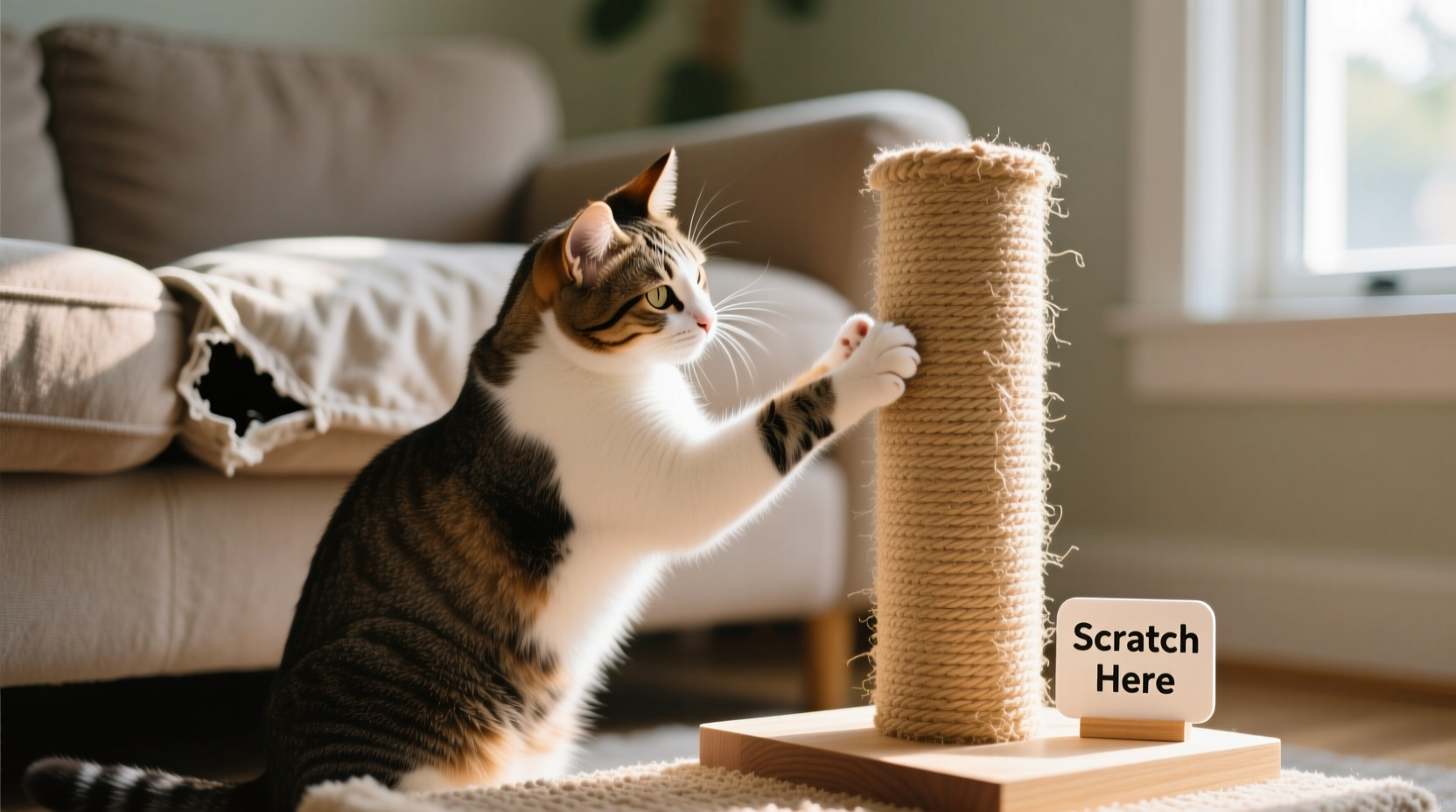
Before attempting to change behavior, it’s essential to understand why your cat chooses the sofa in the first place. Cats don’t scratch out of spite; they respond to environmental cues and physical needs. Common reasons include:
- Texture preference: Many cats favor vertical, loosely woven fabrics like tweed or linen—common sofa materials—that mimic tree bark.
- Location convenience: If the sofa is near a window, sleeping area, or main living space, it’s naturally appealing post-nap or post-play.
- Lack of alternatives: Without accessible scratching posts, cats default to what’s available.
- Stress or insecurity: Increased scratching can signal anxiety, especially in multi-cat homes or during changes like moves or new family members.
Addressing the root cause—not just the symptom—is crucial for long-term success.
Create an Irresistible Alternative: The Right Scratching Post
Simply removing access to the sofa won’t solve the problem unless you offer something equally—or more—appealing. Most commercial scratching posts fail because they’re too small, wobbly, or made of uninviting materials. To compete with a sturdy sofa, your alternative must meet three criteria: stability, height, and texture.
A stable base prevents tipping, encouraging full-body stretches. Height matters—ideally, the post should allow your cat to extend fully on hind legs. Texture depends on your cat’s preference, but common options include sisal rope, corrugated cardboard, and natural wood.
| Scratching Surface | Best For | Placement Tips |
|---|---|---|
| Sisal rope posts (vertical) | Cats who prefer tall, upright scratching | Place near sofa or sleeping areas |
| Cardboard scratchers (flat or angled) | Cats who knead or prefer horizontal surfaces | Rotate locations monthly to maintain interest |
| Wooden logs or planks | Cats drawn to natural textures | Secure firmly; sand edges to prevent splinters |
| Carpet-covered posts | Less ideal—may encourage carpet scratching elsewhere | Avoid if possible; opt for non-carpet materials |
Introduce new scratchers gradually. Rub them with catnip, dangle toys nearby, or gently place your cat’s paws on the surface to encourage use. Positive reinforcement—like treats or praise immediately after scratching the post—reinforces the desired behavior.
“Cats are more likely to adopt new behaviors when the environment supports them. A well-placed, stable scratcher isn’t just a tool—it’s part of their territory.” — Dr. Lena Reyes, Feline Behavior Specialist
Make the Sofa Less Appealing—Without Punishment
Redirecting behavior works best when combined with gentle deterrence. The goal isn't to scare your cat, but to make the sofa less inviting through subtle environmental adjustments.
Start by covering the scratched areas temporarily. Use double-sided tape, aluminum foil, or specially designed plastic scratch deterrents. These materials feel unpleasant under paw but don’t harm the cat. Over time, as your cat uses the proper scratcher, you can phase these out.
Another effective method is using pheromone sprays like Feliway Classic. These mimic facial pheromones cats release when they feel safe, reducing stress-related scratching. Spray lightly on the sofa armrests every 4–6 hours for the first week, then reduce frequency as behavior improves.
Step-by-Step Guide: Transitioning from Sofa to Scratcher
Changing a habit takes consistency. Follow this 21-day timeline to shift your cat’s preference:
- Day 1–3: Place a high-quality scratching post directly beside the sofa, ideally touching it. Position it where your cat typically scratches.
- Day 4–7: Apply catnip or silver vine to the new post daily. Gently guide your cat’s paws over it after naps or meals.
- Day 8–14: Cover the preferred sofa spot with double-sided tape or a textured throw. Continue rewarding use of the scratcher with treats or affection.
- Day 15–21: Gradually move the scratcher away from the sofa (a few inches every two days) until it’s in a permanent, convenient location.
- Day 22+: Monitor behavior. If scratching resumes, repeat earlier steps briefly and assess for stressors.
This gradual approach respects your cat’s routine while introducing change at a manageable pace.
Real-Life Example: Reclaiming the Living Room Sofa
Sarah, a pet owner in Portland, struggled with her 3-year-old tabby, Milo, shredding the arms of her cream-colored sectional. She tried sprays, yelling, and even reprimanding him with a water bottle—but nothing worked, and Milo became anxious around the living room.
After consulting a behaviorist, she implemented a redirection plan. She bought a 32-inch sisal-wrapped post and placed it against the sofa. She rubbed it with dried silver vine and hung a feather toy above it. Within two days, Milo showed interest. By day six, he used it twice daily. Sarah covered the damaged arm with a tightly fitted denim slipcover, which felt unappealing to scratch. After three weeks, she moved the post five feet away—near a sunny window—and Milo followed. Six months later, the sofa remains intact, and Milo has two scratchers he rotates between.
Her success came not from stopping scratching, but from understanding and redirecting it.
Common Mistakes That Undermine Progress
Even well-meaning owners can sabotage their efforts. Avoid these pitfalls:
- Using unstable scratchers: Wobbly posts discourage use. Anchor heavy bases or bolt taller ones to walls.
- Placing scratchers in isolated areas: Cats scratch where they live. Put posts in lounging zones, not basements or closets.
- Expecting instant results: Behavior change takes weeks. Consistency is more important than speed.
- Declawing or nail caps as primary solutions: Declawing is painful and unethical. Nail caps are temporary aids, not substitutes for environmental enrichment.
- Neglecting multiple cats: In multi-cat homes, provide one scratcher per cat plus one extra to prevent competition.
“Scratching is as essential to cats as walking is to dogs. Removing the outlet doesn’t remove the need—it only creates frustration.” — Dr. Marcus Tran, Veterinary Ethologist
Checklist: How to Stop Sofa Scratching Humanely
Follow this actionable checklist to implement a successful, compassionate plan:
- ✅ Observe your cat’s scratching patterns (timing, location, posture).
- ✅ Purchase a tall, sturdy scratching post with sisal or cardboard surface.
- ✅ Place the post next to the sofa or in another high-use area.
- ✅ Use catnip, silver vine, or toys to attract your cat to the new post.
- ✅ Reward scratching on the post with treats or verbal praise.
- ✅ Temporarily cover sofa arms with deterrents like double-sided tape.
- ✅ Use pheromone sprays to reduce stress-related scratching.
- ✅ Gradually relocate the scratcher to a permanent, convenient spot.
- ✅ Provide multiple scratchers in multi-cat households.
- ✅ Monitor progress and adjust based on your cat’s preferences.
Frequently Asked Questions
Will trimming my cat’s nails reduce scratching?
Trimming nails won’t stop scratching behavior, but it can minimize fabric damage. Combined with other strategies, it’s a helpful maintenance step. Aim to trim every 2–3 weeks using cat-specific clippers, avoiding the pink quick.
Are there specific breeds that scratch more?
All cats scratch, but some—like Siamese, Bengals, and Maine Coons—are more active and may exhibit more frequent scratching due to higher energy levels. However, environment and opportunity matter more than breed.
Can I train an older cat to stop scratching the sofa?
Yes. While kittens are easier to shape, adult and senior cats can learn new habits with patience. Older cats may resist change more, so proceed slowly and reinforce positives consistently. Their scratching needs don’t diminish with age.
Protect Your Furniture, Respect Your Cat
Stopping your cat from scratching the sofa isn’t about dominance or discipline—it’s about coexistence. When you work with your cat’s instincts instead of against them, you build trust and reduce conflict. The solutions outlined here don’t suppress natural behavior; they channel it constructively.
Start today: assess your current setup, invest in a quality scratcher, and begin the transition. Small changes compound into lasting results. Your sofa doesn’t have to be a battleground. With empathy and strategy, you can keep both your cat happy and your furniture intact.




 浙公网安备
33010002000092号
浙公网安备
33010002000092号 浙B2-20120091-4
Comments
No comments yet. Why don't you start the discussion?