
Cats scratch for instinctive reasons—they stretch their muscles, mark territory with scent glands in their paws, and shed the outer layers of their claws. Unfortunately, when this natural behavior targets your favorite sofa, it can lead to frustration and damaged furniture. Many owners resort to sprays, covers, or even reprimands, but these methods often fail or damage the human-cat bond. A more effective, lasting solution lies in positive reinforcement: rewarding desired behaviors instead of punishing unwanted ones.
By understanding your cat’s motivations and redirecting them toward acceptable outlets, you can preserve both your furniture and your relationship. This approach is not only humane but also scientifically supported by animal behaviorists. With consistency, patience, and the right tools, you can teach your cat that scratching the designated post—not the sofa—is where the rewards are.
Understanding Why Cats Scratch
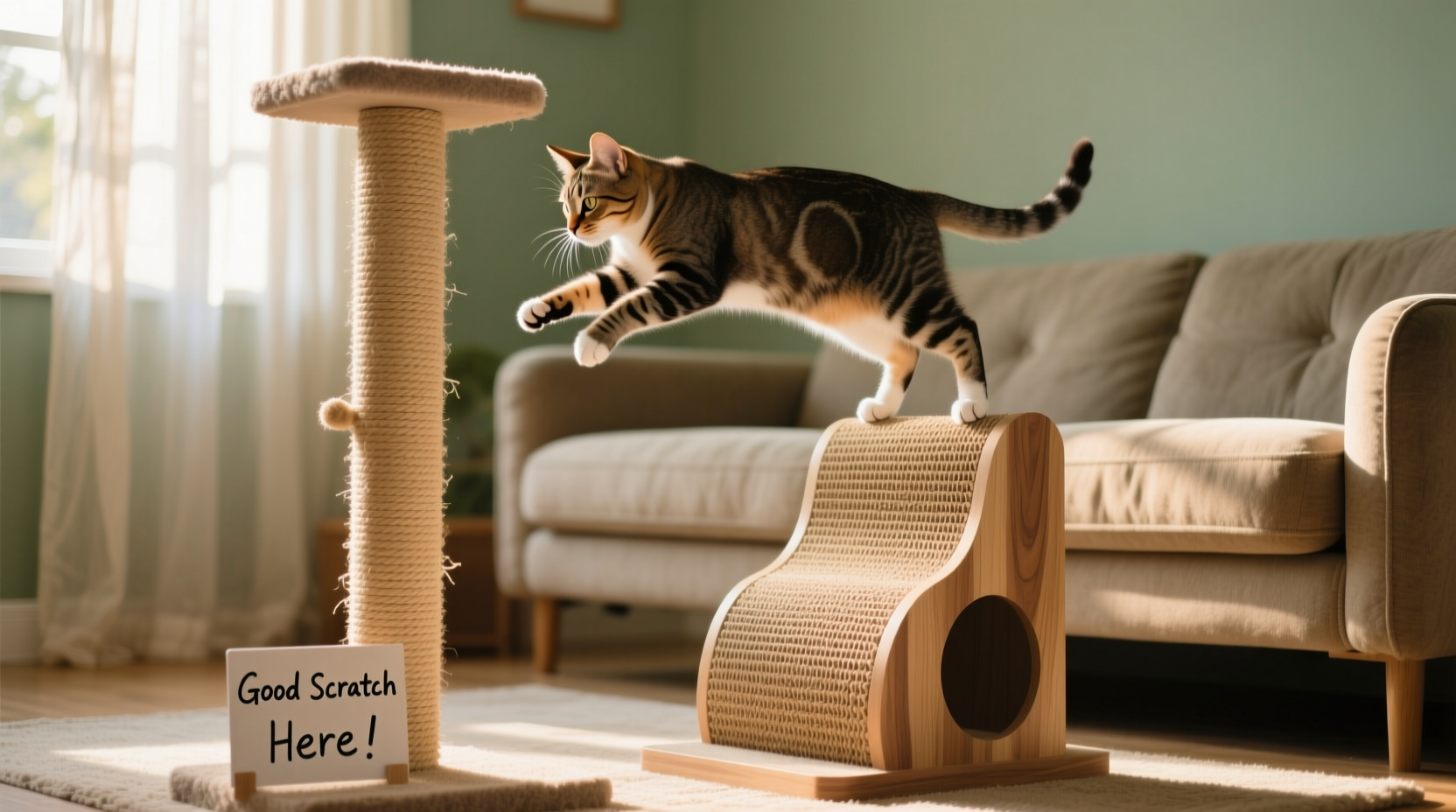
Before addressing the behavior, it's essential to understand why cats scratch in the first place. Scratching isn't destructive behavior; it's a vital part of feline communication and physical health. Key reasons include:
- Muscle stretching: Scratching allows cats to stretch their back, shoulders, and front legs after resting.
- Scent marking: Cats have scent glands between their paw pads. Scratching deposits their unique odor, helping them feel secure in their environment.
- Claw maintenance: The act helps remove the dead outer sheaths of their claws, keeping them sharp and healthy.
- Emotional regulation: Cats may scratch when excited, anxious, or playful as a way to release energy.
When a cat chooses the sofa, it’s often because the fabric offers ideal resistance—like sisal or tightly woven material—and the location is prominent (near windows, entrances, or lounging areas). Rather than seeing this as defiance, view it as your cat expressing normal instincts in an inconvenient place.
The Principles of Positive Reinforcement
Positive reinforcement works by increasing the likelihood of a desired behavior through rewards. In cat training, this means immediately following a good choice—such as using a scratching post—with something the cat values: treats, praise, play, or affection.
Timing is critical. The reward must come within one to two seconds of the behavior to create a strong mental connection. Delayed rewards confuse cats, weakening the learning process.
Unlike punishment-based methods (e.g., yelling, spraying water), positive reinforcement builds trust. Punishment may suppress scratching temporarily but often leads to fear, anxiety, or redirected aggression. It doesn’t teach the cat what to do instead—only what not to do.
“Cats don’t respond well to punishment. They learn best through association and reward. Redirect and reinforce—that’s the golden rule.” — Dr. Sarah Ellis, Feline Behavior Scientist, University of Lincoln
Step-by-Step Guide to Redirect Scratching Behavior
Changing your cat’s scratching habits takes time, typically between two to eight weeks depending on age, temperament, and consistency. Follow this structured timeline to ensure success.
- Assess current scratching patterns (Day 1–3): Observe when, where, and how your cat scratches. Note if it’s vertical (upright sofa) or horizontal (armrests). This helps you choose the right replacement.
- Provide appealing alternatives (Day 4): Place multiple scratching posts near the sofa and other preferred spots. Choose materials like sisal rope, corrugated cardboard, or natural wood. Ensure posts are tall enough for full stretching.
- Make the post irresistible (Day 5–7): Sprinkle catnip on the post, attach dangling toys, or use silver vine. These natural attractants increase interest.
- Reward every correct scratch (Ongoing): Keep treats nearby. When your cat uses the post—even briefly—immediately offer a treat and gentle verbal praise like “Good scratch!”
- Increase value over time (Week 2+): Phase in intermittent rewards (every second or third use) to build long-term habit. Continue occasional surprise rewards to maintain motivation.
- Discourage sofa use subtly (Ongoing): Use double-sided tape, aluminum foil, or plastic runners on the scratched areas. These aren’t punishments but environmental deterrents that make the sofa less appealing without negative associations.
- Gradually reduce support (Week 6–8): Once consistent use of the post is established, slowly remove deterrents from the sofa. Monitor closely and re-engage training if relapse occurs.
Creating an Effective Scratching Environment
Not all scratching posts are created equal. A poorly designed or placed post will be ignored, no matter how many treats you offer. Consider these factors when selecting and positioning alternatives.
| Feature | Recommended | Avoid |
|---|---|---|
| Material | Sisal, corrugated cardboard, natural wood | Soft fabric, plush covering |
| Height | Tall enough for full stretch (at least 30 inches) | Short, wobbly bases |
| Stability | Heavy base or wall-mounted | Lightweight, tipping models |
| Location | Near sofa, windows, sleeping areas | Isolated corners or unused rooms |
| Texture | Vertical grain, rough surface | Smooth plastic or metal |
Place at least two scratching stations in high-traffic zones. Some cats prefer vertical scratching, others horizontal. Offer both types to accommodate individual preferences. Rotate toys and refresh catnip weekly to keep posts engaging.
Real Example: Turning Around a Persistent Scratcher
Lena adopted a two-year-old rescue cat named Milo who immediately began shredding her linen sofa. She tried sprays and scolding, but Milo only scratched when she left the room—indicating stress-related behavior.
Working with a certified cat behavior consultant, Lena implemented a positive reinforcement plan. She placed a 36-inch sisal post directly beside the sofa and wrapped the armrest in double-sided tape. Each time Milo approached the post—even to sniff—it, she clicked a clicker and gave a pea-sized treat of freeze-dried chicken.
Within five days, Milo began swiping at the post regularly. By day ten, he was fully stretching and scratching. Lena gradually reduced treats to every other successful scratch and introduced a feather toy as a secondary reward. After six weeks, the tape was removed, and Milo never returned to the sofa. His confidence improved, and his overall activity level increased.
This case highlights that even ingrained behaviors can change with patience and the right strategy—without ever saying “no” or causing fear.
Checklist: Positive Reinforcement Scratching Plan
Use this checklist to implement a foolproof system for redirecting your cat’s scratching behavior:
- ✅ Observe and document your cat’s current scratching locations and times
- ✅ Purchase at least two sturdy, appropriately sized scratching posts
- ✅ Position posts near targeted furniture and high-traffic areas
- ✅ Use catnip, silver vine, or dangling toys to entice initial interaction
- ✅ Keep high-value treats (e.g., tuna flakes, chicken bits) nearby for immediate rewards
- ✅ Click or say a cue word (“scratch”) the moment claws hit the post
- ✅ Reward within one second of the behavior
- ✅ Apply temporary deterrents (tape, foil) to the sofa during training
- ✅ Practice daily, especially during peak scratching times (morning/evening)
- ✅ Monitor progress and adjust post type/location if needed
Frequently Asked Questions
Can I train an older cat to stop scratching the sofa?
Yes. While kittens learn faster, adult and senior cats can adapt with consistent reinforcement. Older cats may take longer due to established habits, but they respond well to predictable routines and familiar rewards. Start by identifying what motivates your cat—food, play, petting—and use that consistently.
What if my cat still scratches the sofa occasionally?
Occasional lapses are normal during the learning phase. Avoid reacting with anger. Instead, quietly guide your cat to the post and reward use there. If relapse persists, reassess the post’s appeal: Is it stable? Located correctly? Try adding a pheromone diffuser nearby to reduce stress-driven scratching.
Are claw caps a good supplement to training?
Yes, soft vinyl claw caps (like Soft Paws) can protect furniture while training progresses. Applied every 4–6 weeks, they’re painless and allow normal scratching motion. They’re not a substitute for training but a helpful interim tool, especially in multi-cat households or during shedding seasons when scratching increases.
Conclusion: Building a Harmonious Home Through Trust
Stopping your cat from scratching the sofa isn’t about domination or deterrence—it’s about collaboration. By using only positive reinforcement, you respect your cat’s instincts while guiding them toward acceptable choices. This method strengthens your bond, reduces household stress, and fosters a home where both species thrive.
The key is consistency, empathy, and celebration of small victories. Every swipe at the post deserves recognition. Over time, your cat will learn that good things happen when they use the right surface. No fear, no force—just mutual understanding.




 浙公网安备
33010002000092号
浙公网安备
33010002000092号 浙B2-20120091-4
Comments
No comments yet. Why don't you start the discussion?