
Dogs bark at the doorbell for instinctive reasons: alerting, territorial defense, or excitement. While formal training can help, not every pet owner has the time, patience, or resources to implement structured obedience programs. The good news is that you don’t always need traditional training to reduce or eliminate this behavior. By adjusting your dog’s environment, modifying stimuli, and redirecting their attention, you can significantly decrease unwanted barking—without a single command drill.
This guide explores practical, non-training-based strategies rooted in canine psychology, environmental management, and sensory control. These approaches are ideal for busy households, elderly pet owners, or anyone seeking low-effort, high-impact solutions.
Understanding Why Dogs Bark at the Doorbell
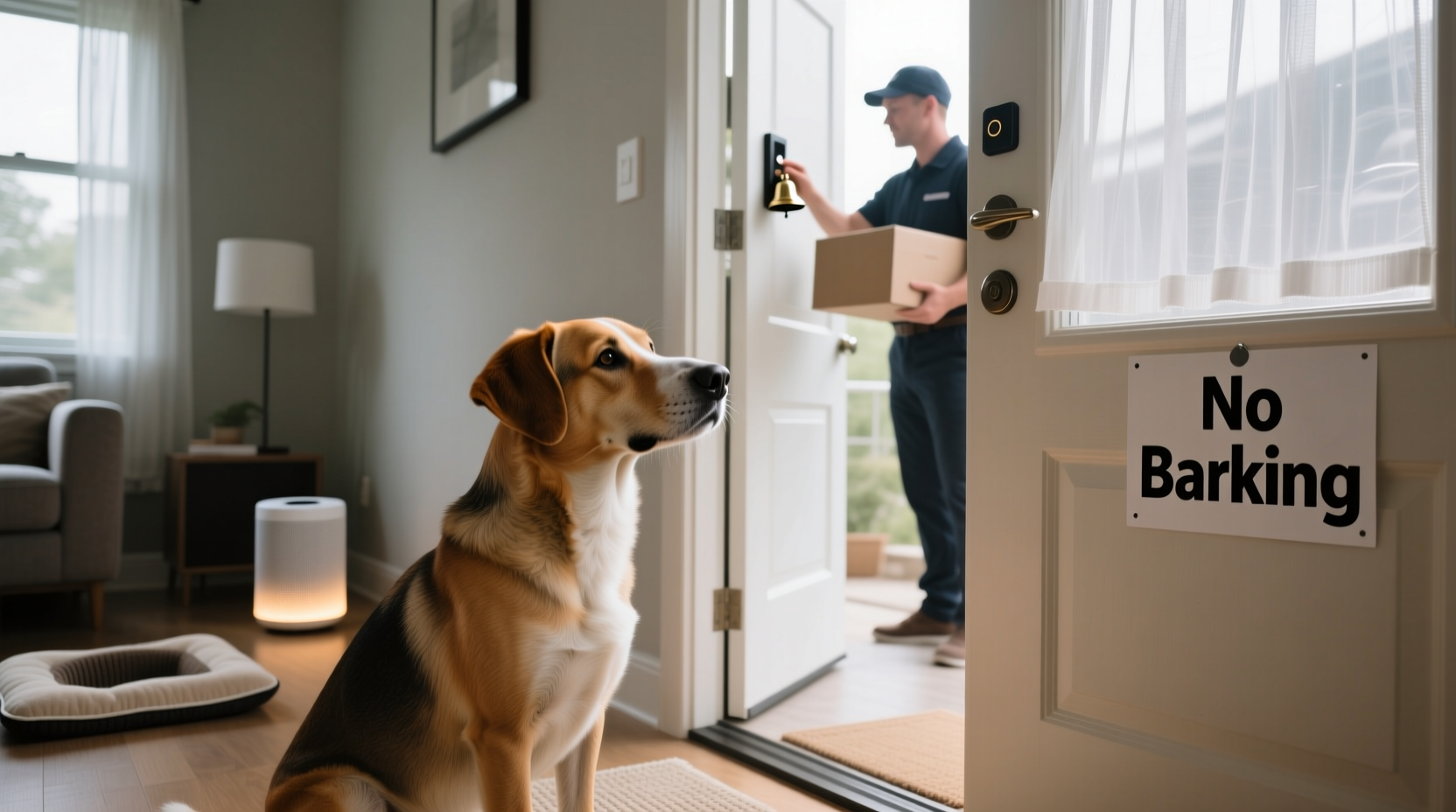
The doorbell is a sudden, high-pitched sound that dogs interpret as an intrusion into their territory. Unlike gradual noises like footsteps or voices, the doorbell appears without warning, triggering an immediate alert response. This reaction is hardwired—dogs evolved as sentinels, and barking at unfamiliar sounds was essential for survival.
Modern domestic dogs retain this instinct. When the bell rings, they may:
- Perceive it as a threat to their home
- React out of excitement (anticipating visitors)
- Bark due to anxiety or overstimulation
- Respond to the sound frequency, which resembles alarm cues
Because the behavior is reflexive rather than learned in most cases, changing the context—not reinforcing the habit through attention or delayed response—can be more effective than training alone.
Modify the Doorbell Sound
One of the simplest and most effective non-training interventions is altering the doorbell itself. Many standard doorbells use sharp, high-frequency tones that are inherently startling to dogs. Replacing these with softer, lower-pitched chimes can dramatically reduce reactivity.
Consider switching to a doorbell with:
- A melodic tune instead of a beep
- A deeper tone (below 1,500 Hz)
- Vibration or visual alerts (for dual-sensory notification)
Smart doorbells like Ring or Nest allow customizable chimes. Choose options labeled “gentle,” “harmony,” or “soft piano.” Test different sounds while observing your dog’s reaction. If they don’t orient toward the sound or remain relaxed, you’ve found a suitable alternative.
“Changing the auditory cue can break the automatic bark response. It’s not about teaching silence—it’s about removing the trigger.” — Dr. Lena Torres, Animal Behavior Consultant
Step-by-Step: Transitioning to a New Doorbell Sound
- Choose 3–5 candidate chimes with mellow tones.
- Play each one at normal volume when your dog is calm but awake.
- Observe body language: flattened ears, stiff posture, or barking indicate discomfort.
- Select the least reactive option.
- Install and use exclusively—avoid mixing old and new sounds.
Create a Distraction-Rich Environment
Dogs bark at the doorbell because they have nothing else to focus on. In behavioral terms, the sound becomes the most salient stimulus in their environment. By introducing competing stimuli, you can redirect their attention before barking begins.
This method leverages a principle called occupational satiation: when a dog is mentally or physically engaged, they’re less likely to respond to external disruptions.
Effective Distractions to Implement
- Automatic treat dispensers: Devices like the PetSafe Busy Buddy or Furbo can be triggered remotely or set on motion detection. When the doorbell rings, release a treat to shift focus.
- Background noise: Play calming music, white noise, or nature sounds at low volume near common lounging areas. This dampens the sharpness of the doorbell.
- Scent enrichment: Use dog-safe essential oil diffusers (e.g., lavender or chamomile) to promote relaxation during peak visitor times.
- Puzzle toys: Leave stuffed Kongs or snuffle mats accessible. A dog occupied with licking or foraging won’t jump to bark.
Control Access and Visual Triggers
For many dogs, barking escalates when they see movement at the door. Even if the sound doesn’t trigger them, the combination of sound + sight creates a full alert state. Limiting visual access breaks this cycle.
Simple environmental adjustments include:
- Closing blinds or curtains on front windows
- Using frosted window film to obscure views while allowing light
- Blocking line-of-sight with furniture or room dividers
- Relocating your dog’s bed or crate away from entry points
If your dog tends to rush to the door, consider using a baby gate to create a barrier between them and the entrance. This isn’t confinement—it’s strategic zoning. Place their favorite blanket or toy on the other side to encourage voluntary stay.
Do’s and Don’ts: Managing Visual Stimuli
| Action | Recommended? | Reason |
|---|---|---|
| Close front curtains during daytime | Yes | Reduces visibility of passersby |
| Use clear plastic panels to block view | Yes | Maintains airflow while obscuring sightlines |
| Yell “No!” when dog runs to door | No | Reinforces arousal with attention |
| Leave doors open to “get used” to people | No | Increases overexposure and reactivity |
| Redirect with a chew toy after ringing | Yes | Creates positive association |
Use Sound Masking and White Noise
Sound masking involves introducing consistent background audio to reduce the contrast between silence and sudden noises like doorbells. This technique is widely used in human acoustics and applies equally to pets.
When ambient noise fills the auditory space, the doorbell doesn’t stand out as sharply, making it less likely to trigger a startle-bark response.
Effective Sound Masking Options
- White noise machines: Emit a steady frequency blend that smooths auditory spikes.
- Classical or reggae music: Studies show these genres reduce canine stress (e.g., “Through a Dog’s Ear” playlists).
- Fan or air purifier: Provides constant low hum; place near resting areas.
- TV or radio: Keep tuned to soft talk or instrumental stations during daytime hours.
Run masking sounds consistently during waking hours, especially in homes with frequent deliveries or visitors. Avoid turning devices on only when expecting the bell—this creates a pattern dogs may associate with impending noise.
“Dogs thrive on predictability. Constant background sound makes sudden noises feel less threatening.” — Dr. Alan Prescott, Veterinary Ethologist
Mini Case Study: Reducing Barking in a Reactive Terrier
Sophie, a 4-year-old Jack Russell Terrier, lived in a busy urban apartment. Her owner, Mark, received multiple deliveries daily, each triggering two minutes of intense barking. Training attempts failed due to time constraints and Sophie’s high energy.
Rather than pursuing obedience drills, Mark implemented three non-training strategies:
- Replaced his doorbell with a deep-toned chime labeled “Ocean Waves.”
- Placed a LickiMat smeared with peanut butter on Sophie’s bed near lunchtime (when deliveries peaked).
- Installed blackout roller shades on the front window.
Within five days, Sophie’s barking dropped by 80%. She still turned her head at the chime but resumed licking the mat without vocalizing. After two weeks, she no longer reacted unless someone knocked—a separate issue requiring different handling.
This case illustrates how combining sound modification, distraction, and visual control can yield rapid results without formal training.
Checklist: Stop Doorbell Barking Without Training
Follow this actionable checklist to reduce or eliminate unwanted barking:
- ✅ Replace your current doorbell with a softer, lower-pitched chime
- ✅ Install window coverings to block views of the entrance
- ✅ Use a treat-dispensing toy activated during doorbell events
- ✅ Play calming background music or white noise during daytime
- ✅ Relocate your dog’s favorite resting spot away from the front door
- ✅ Introduce scent enrichment (lavender, chamomile) in living areas
- ✅ Avoid reinforcing barking with eye contact, talking, or petting
- ✅ Test new sounds and observe your dog’s body language for stress cues
FAQ
Can I stop barking without any tools or purchases?
Yes. Simply closing curtains, playing music from your phone, or giving your dog a bone to chew before expected visitors can be effective. The key is consistency and timing—intervene before the bell rings.
Will my dog get used to a new doorbell over time?
Most dogs adapt within 3–7 days if the new sound is consistently used and paired with neutral or positive experiences. Avoid reverting to the old chime, as this resets the adjustment process.
Is it harmful to prevent my dog from barking at the door?
No. While barking is natural, excessive or chronic barking causes stress for both dogs and owners. Redirecting the behavior humanely—without punishment—is beneficial for mental well-being. Dogs don’t need to bark at every stimulus to feel secure.
Conclusion
Stopping your dog from barking at the doorbell doesn’t require months of training or professional intervention. By reshaping the environment, modifying sensory inputs, and providing engaging alternatives, you can disrupt the bark-response cycle naturally and effectively. These strategies work with your dog’s instincts, not against them, creating a calmer household for everyone—including guests.
The goal isn’t to suppress behavior but to replace it with quieter, more sustainable routines. Start with one change—swap the chime, close the blinds, or leave out a stuffed toy—and build from there. Small adjustments often lead to dramatic improvements.




 浙公网安备
33010002000092号
浙公网安备
33010002000092号 浙B2-20120091-4
Comments
No comments yet. Why don't you start the discussion?