
Guinea pigs are naturally curious, active animals with a strong instinct to chew. While occasional gnawing is normal for dental health, persistent bar-chewing can signal stress, boredom, or inadequate care. Beyond damaging teeth and weakening cage integrity, this behavior may lead to oral injuries or behavioral issues. The good news? With thoughtful environmental enrichment and proper husbandry, you can redirect this habit effectively—without punishment or confinement. This guide explores the root causes of bar-chewing and delivers practical, humane solutions grounded in animal behavior science.
Why Guinea Pigs Chew Cage Bars
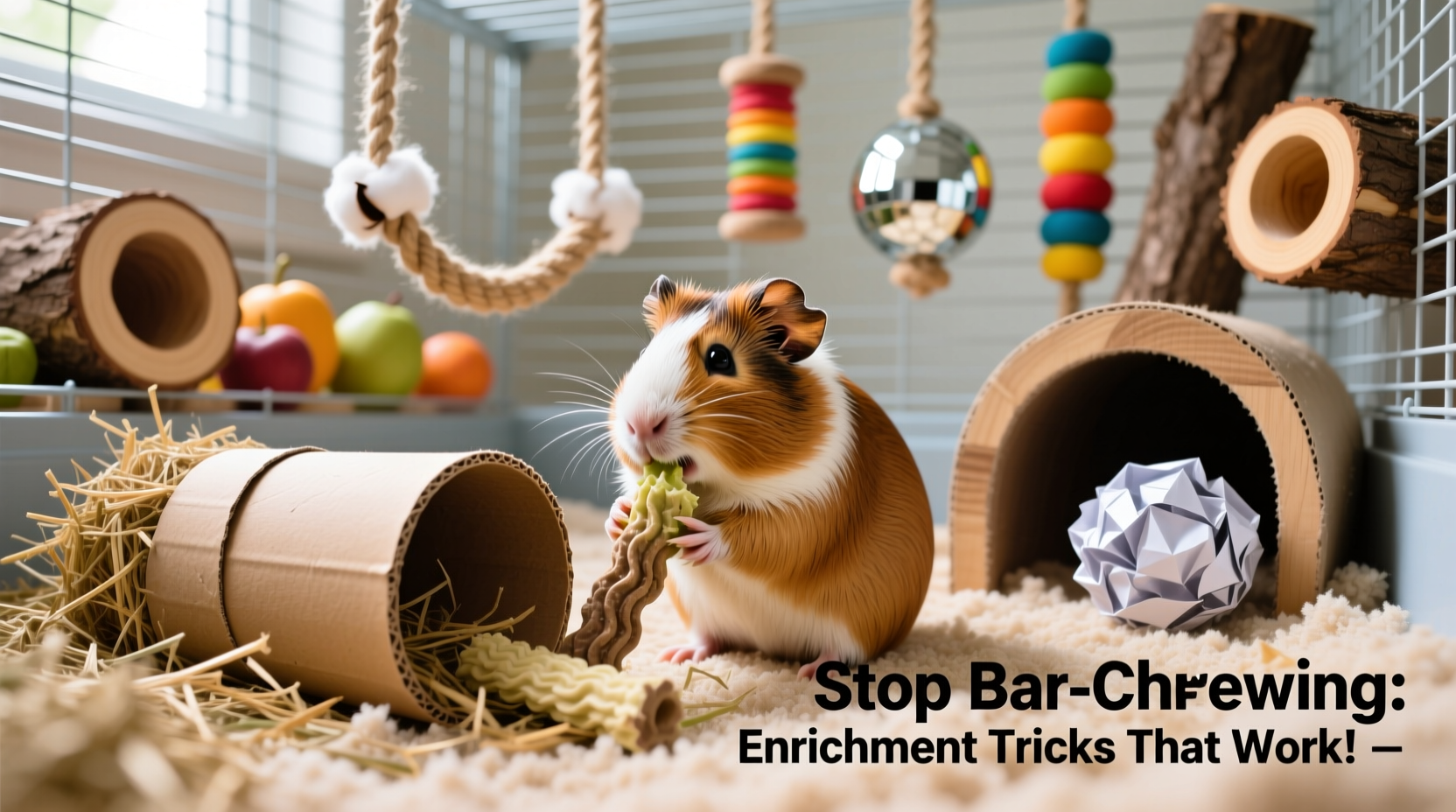
Chewing metal or plastic cage bars isn't just a quirky habit—it's often a symptom of unmet needs. Unlike wild rodents that burrow or climb, domestic guinea pigs rely entirely on their human caregivers to provide mental stimulation and physical comfort. When these needs go unfulfilled, repetitive behaviors like bar-chewing emerge as coping mechanisms.
The primary reasons include:
- Dental necessity: Guinea pigs have open-rooted teeth that grow continuously. Chewing helps wear them down, but appropriate materials (like hay and wooden toys) should fulfill this need—not metal bars.
- Boredom: A barren enclosure with no novel stimuli leads to frustration. Without exploration or play opportunities, chewing becomes a default activity.
- Stress or anxiety: Loud environments, inconsistent routines, or social isolation increase cortisol levels, triggering stereotypic behaviors such as bar-gnawing.
- Lack of space: Too-small enclosures restrict natural movement, prompting attempts to “escape” through obsessive chewing.
- Dietary imbalance: Insufficient fiber intake affects both digestion and behavior. Low-quality pellets or lack of fresh produce may leave nutritional gaps that manifest as abnormal chewing.
Enrichment Strategies That Work
Environmental enrichment involves modifying the habitat to stimulate natural behaviors. For guinea pigs, this means encouraging foraging, hiding, exploring, and chewing in safe ways. Effective enrichment reduces stress and redirects energy away from destructive habits.
1. Provide Abundant Chewable Materials
Replace metal bars with acceptable alternatives. Offer a rotation of safe, fibrous items daily:
- Timothy hay cubes or loose hay (essential for digestion and gnawing)
- Untreated softwood sticks (apple, pear, or willow)
- Paper-based bedding rolls or cardboard tubes
- Vegetable scraps like carrot tops, bell pepper stems, or romaine stalks
Avoid pine or cedar wood—they release harmful oils. Also steer clear of plastic or painted items, which pose ingestion risks.
2. Expand Living Space and Add Complexity
A larger cage allows for zoning: separate areas for sleeping, eating, and playing. The minimum recommended size for two guinea pigs is 7.5 square feet, but bigger is always better. Use dividers or tunnels to create “rooms” within the enclosure.
“Cognitive engagement begins with spatial complexity. Even small additions like fabric tunnels or elevated platforms reduce stereotypic behaviors by 60%.” — Dr. Lena Torres, Exotic Animal Behavior Specialist
Add vertical elements like low ramps or hideouts with multiple entrances. These encourage exploration without climbing risks (guinea pigs cannot grip smooth surfaces).
3. Rotate Toys and Change Layout Weekly
Novelty sustains interest. Keep a toy bank of five to seven items and swap them out every few days. Examples include:
- Fabric tunnels made from cotton
- Cardboard castles or DIY mazes
- Foraging boxes filled with shredded paper and hidden treats
- Wicker balls or seagrass mats
Changing the cage layout weekly mimics natural environmental shifts, keeping your pet mentally alert.
Step-by-Step Guide to Eliminate Bar-Chewing
Reversing established habits takes consistency. Follow this 4-week timeline to phase out bar-chewing using positive reinforcement and structured changes.
- Week 1: Assess and Adjust Environment
Evaluate current cage setup. Is it spacious enough? Are there at least three hiding spots? Remove any unsafe chewables. Introduce high-fiber hay in multiple locations and add one new toy. - Week 2: Increase Interaction Time
Spend 20–30 minutes daily outside the cage in a secure playpen. Hand-feed leafy greens to build trust and redirect chewing impulses toward food. Begin short training sessions using clicker methods or target sticks. - Week 3: Implement Foraging Challenges
Hide timothy hay under plant pots or inside toilet paper rolls. Scatter chopped veggies in bedding so your guinea pig must “search” for them. This satisfies natural foraging instincts and occupies time previously spent chewing bars. - Week 4: Monitor and Reinforce Progress
Track frequency of bar-chewing in a journal. If incidents decrease, maintain the new routine. If not, consider underlying medical issues (e.g., malocclusion) and consult an exotic veterinarian.
Common Mistakes and What to Avoid
Even well-meaning owners make errors that inadvertently reinforce bad habits. Below is a comparison of best practices versus common pitfalls.
| Do’s | Don’ts |
|---|---|
| Offer unlimited grass hay (80% of diet) | Feed only commercial pellets without supplemental fiber |
| Use solid-bottom cages or pens (no wire flooring) | Keep guinea pigs on wire mesh floors causing bumblefoot |
| Provide companionship (same-sex pairs preferred) | House guinea pigs alone long-term |
| Introduce new foods gradually over 3–5 days | Suddenly change diet leading to digestive upset |
| Allow supervised floor time daily | Rely solely on cage living with no exercise |
One frequent oversight is assuming silence equals contentment. In reality, a quiet guinea pig may be withdrawn due to loneliness or discomfort. Healthy individuals vocalize frequently—chutting, purring, or whistling—and show curiosity toward surroundings.
Real-Life Example: Turning Around Chronic Chewing
Mia adopted two young guinea pigs, Pepper and Sage, from a shelter. Within weeks, she noticed deep grooves forming on the stainless steel bars of their cage. Despite offering toys, they chewed relentlessly, especially at night. Concerned about tooth damage, Mia reached out to a local exotics vet.
After ruling out dental disease, the vet suggested evaluating enrichment and social dynamics. It turned out the pair had been housed in a cage just above a washing machine—vibrations and noise caused chronic stress. Additionally, their playtime was limited to weekends.
Mia moved the enclosure to a quieter room, upgraded to a 12 sq ft pen with fleece lining, and introduced a daily 30-minute floor-time routine. She added a foraging box filled with hay and tucked parsley sprigs inside cardboard tubes. Within three weeks, bar-chewing dropped by over 80%. By week six, it stopped entirely. Today, Pepper and Sage spend afternoons navigating obstacle courses made from safe household items.
Essential Checklist for Prevention
Use this checklist monthly to ensure your guinea pig’s environment supports healthy behavior:
- ✅ Cage size meets or exceeds 7.5 sq ft for one pig, 10+ sq ft for two
- ✅ Unlimited access to fresh Timothy hay available in at least two locations
- ✅ At least three hiding places (tunnels, igloos, covered boxes)
- ✅ Daily out-of-cage playtime (minimum 2 hours recommended)
- ✅ Rotating chew toys provided (wood, cardboard, seagrass)
- ✅ Companionship confirmed (single pigs require intensive human interaction)
- ✅ Quiet, draft-free location away from predators (cats, dogs) and loud appliances
- ✅ Weekly cleaning schedule with non-toxic, fragrance-free cleaners
- ✅ Fresh vegetables offered daily (vitamin C-rich options like kale, red pepper)
- ✅ Veterinary checkups scheduled annually with an exotics specialist
Frequently Asked Questions
Is it ever okay for guinea pigs to chew metal bars?
No. While mild gnawing might occur occasionally, consistent chewing can misalign teeth, cause gum trauma, or result in ingestion of toxic metals like zinc or galvanized coatings. Address the behavior promptly.
Can I use bitter sprays to deter chewing?
Veterinarians generally advise against taste deterrents. They don’t address the root cause and may stress your pet. Instead, focus on enriching the environment and removing triggers.
My guinea pig lives alone. Could that be why they chew?
Possibly. Guinea pigs are highly social herd animals. Solitary housing requires significant compensation through human interaction—several hours of daily contact. Without it, loneliness often manifests as repetitive behaviors like bar-chewing.
Final Thoughts and Call to Action
Stopping cage bar-chewing isn’t about stopping a behavior—it’s about understanding what your guinea pig is trying to tell you. Behind every chew mark is a need waiting to be met: more space, better nutrition, increased stimulation, or deeper connection. By embracing enrichment as a daily practice rather than a quick fix, you foster not only healthier teeth but a richer emotional life for your pet.
Start today. Rearrange the cage, introduce a foraging game, or simply sit nearby and hand-feed a piece of romaine. Small actions compound into lasting well-being. Share your progress, ask questions in pet communities, and celebrate each sign of improvement. Your guinea pig depends on you—not just for survival, but for joy.




 浙公网安备
33010002000092号
浙公网安备
33010002000092号 浙B2-20120091-4
Comments
No comments yet. Why don't you start the discussion?