
Mealtime with a toddler can be one of the most joyful and nourishing parts of family life. Yet, when food starts flying across the room, that joy can quickly turn into frustration. Food throwing is a common behavior in toddlers, but it doesn’t have to become a habit. Rather than reacting with anger or punishment, parents can use gentle, respectful strategies that address the root causes while teaching boundaries and self-regulation.
Understanding why toddlers throw food is the first step toward meaningful change. This behavior is rarely about defiance. More often, it’s a form of communication, exploration, or a response to unmet needs. With empathy, consistency, and clear guidance, you can transform mealtimes into calm, connected experiences.
Why Toddlers Throw Food: The Real Reasons Behind the Behavior
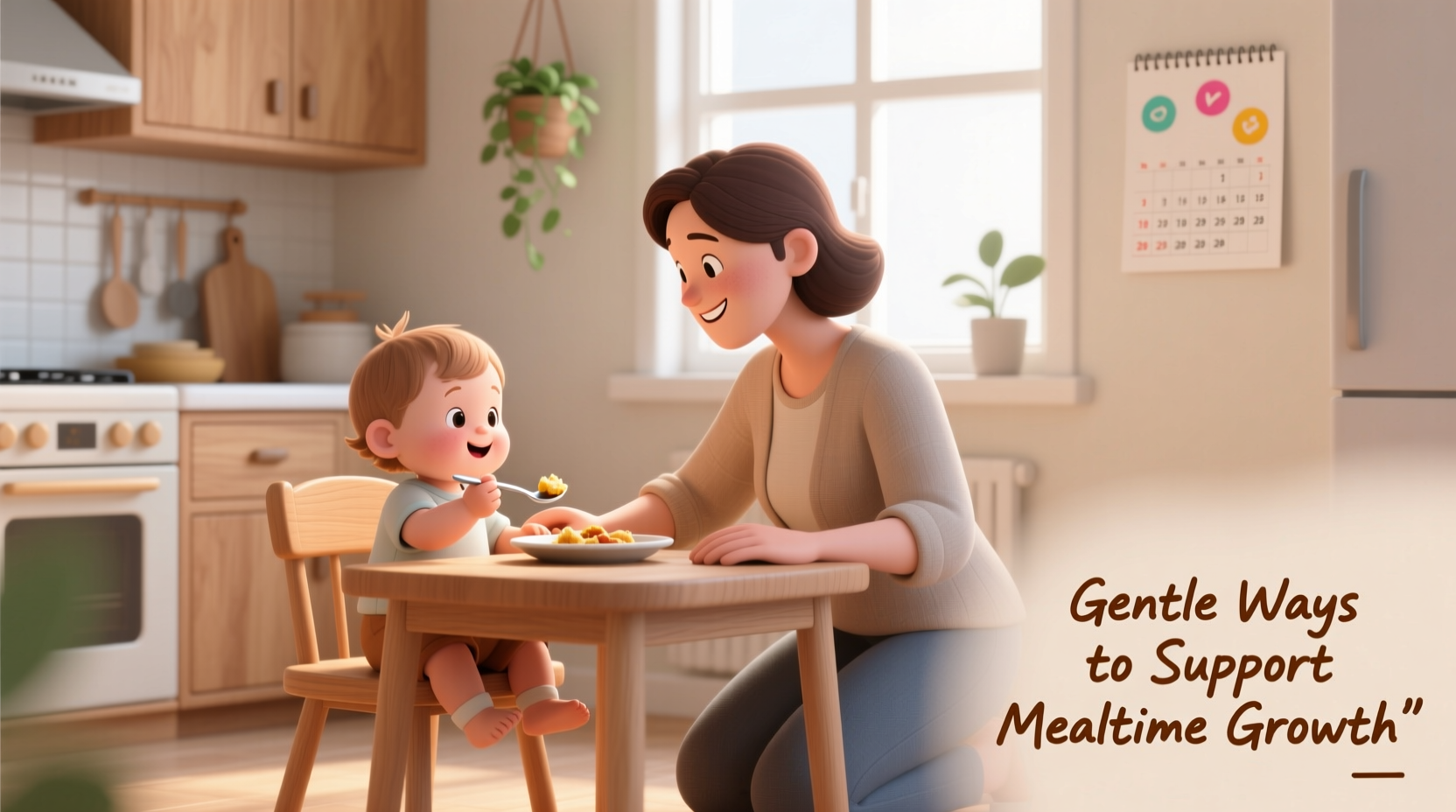
Toddlers don’t throw food to annoy their caregivers. Their brains are still developing, and they rely on sensory input and cause-and-effect experiments to make sense of the world. When a child tosses a pea off their high chair and watches it fall, they’re learning about gravity, sound, and reaction. When they see a parent react strongly, they learn about influence and attention.
Common reasons toddlers throw food include:
- Curiosity: They want to know what happens when food hits the floor.
- Fullness: They’re done eating but don’t yet have the words to say so.
- Attention-seeking: Even negative reactions reinforce the behavior if it gets a response.
- Control: Mealtimes can feel restrictive. Throwing food may be an attempt to assert autonomy.
- Overstimulation: Bright lights, loud noises, or long meals can lead to sensory overload.
- Communication: They might be trying to signal discomfort, disinterest, or a need for a break.
Recognizing these underlying motivations shifts the approach from punishment to support. Instead of asking, “How do I stop this?” ask, “What is my child trying to tell me?”
Gentle Techniques That Actually Work
Gentle parenting isn’t permissiveness—it’s about setting loving limits while respecting a child’s developmental stage. The goal is not just to stop food throwing, but to build trust, communication, and cooperation over time.
1. Set Clear, Calm Boundaries
Children thrive on predictability. A consistent rule like “Food stays on the table” gives them security. Deliver the message calmly, without drama. For example:
“If you throw your food, mealtime is over. I’ll help you down, and we can play instead.”
Say this once, then follow through. No yelling, no threats. If the food is thrown, gently remove your child from the high chair or table and clean up together. The natural consequence teaches more than a lecture ever could.
2. Use Simple Language and Visual Cues
Toddlers understand far more than they can express. Pair simple phrases with gestures to reinforce expectations:
- “Food goes in your mouth.” (Point to mouth)
- “We keep food on the tray.” (Pat the tray)
- “All done? Show me your hands.” (Encourage hand-raising)
Visual aids, like a laminated picture card showing a child eating calmly, can also reinforce the routine during transitions.
3. Offer Controlled Choices
Power struggles often arise when toddlers feel powerless. Giving small choices reduces resistance:
- “Would you like carrots or peas?”
- “Do you want to sit in the blue chair or the red one?”
- “Should we eat now or in five minutes?”
These choices maintain structure while honoring the child’s growing need for autonomy.
4. Respond with Curiosity, Not Anger
When food is thrown, pause before reacting. Ask yourself: Is my child tired? Full? Overwhelmed? Then respond with empathy:
“You threw your spoon. Are you all done eating? Let’s wipe your hands and go play.”
This models emotional regulation and keeps the interaction connected rather than combative.
5. Make Cleanup a Shared Responsibility
Involve your toddler in cleaning up spilled food. Hand them a cloth or let them help pick up dropped pieces. This teaches accountability without shame. Say:
“We made a mess. Let’s clean it together!”
Turn it into a game if needed—“Can you find all the blueberries?”—but keep the tone neutral, not playful enough to reward the behavior.
Step-by-Step Guide to Reducing Food Throwing
Change takes time. Follow this 7-day approach to gradually reshape mealtime behavior using gentle methods.
- Day 1–2: Observe and Record
Track when and how often food is thrown. Note hunger cues, energy levels, and environment. - Day 3: Introduce the Rule
Calmly explain, “Food stays on the table,” using gestures. Repeat once per meal. - Day 4: Practice the Exit Plan
If food is thrown, say, “Looks like you’re done,” and gently remove your child. Clean up together. - Day 5: Add Positive Reinforcement
Praise efforts: “I saw you put your banana in your mouth! Great job!” - Day 6: Adjust Meal Length and Portions
Offer smaller amounts and shorter meals (10–15 minutes) to prevent overstimulation. - Day 7: Reflect and Refine
Review what worked. Did fewer distractions help? Was timing better earlier in the day?
Consistency over perfection is key. Some days will be harder than others. What matters is staying calm and responsive.
Checklist: Gentle Strategies for Calmer Mealtimes
Use this checklist daily to reinforce positive habits:
- ✅ Serve small portions to avoid waste and overwhelm
- ✅ Eat together as a family when possible
- ✅ Remove distractions (TV, phones, toys)
- ✅ Use a consistent phrase: “Food stays on the table”
- ✅ Stay calm when food is thrown—no raised voice
- ✅ Follow through: if food is thrown, mealtime ends
- ✅ Involve your toddler in cleanup
- ✅ Praise cooperative behavior sincerely
- ✅ Watch for fullness cues (turning head, closing mouth)
- ✅ End meals positively, even if short
Do’s and Don’ts at Mealtimes
| Do’s | Don’ts |
|---|---|
| Stay calm and neutral when food is thrown | Yell, scold, or shame your child |
| Explain the rule once clearly | Repeat warnings multiple times |
| End the meal if food is thrown | Let the child continue eating after throwing |
| Involve your child in cleanup | Clean up while blaming or lecturing |
| Offer small, frequent meals | Force your child to stay seated after they’re full |
| Praise effort and cooperation | Reward with dessert or treats for good behavior |
Real Example: How One Family Transformed Mealtimes
The Rivera family struggled nightly with their 22-month-old daughter, Maya, who would gleefully toss her bowl of pasta onto the floor every evening. Her parents initially responded by saying, “No! Bad girl!” and making her sit longer, which only led to screaming and more throwing.
After learning about gentle discipline, they changed their approach. They started serving smaller portions and introduced the phrase, “Food stays on the table.” When Maya threw her spoon, her mom calmly said, “You’re done eating. Let’s clean up.” They wiped the tray together and moved to storytime.
At first, meals lasted only five minutes. But within two weeks, Maya began signaling she was full by pushing her bowl away or raising her hands. By week three, food throwing had stopped entirely. The family reported feeling more relaxed, and Maya became more engaged during meals.
The shift wasn’t about control—it was about connection and consistency.
Expert Insight: What Child Development Specialists Say
“Toddlers aren’t giving you a hard time—they’re having a hard time. Food throwing is often a sign of fullness, overstimulation, or a need for autonomy. Gentle limits, paired with empathy, teach self-regulation far more effectively than punishment.” — Dr. Lena Patel, Pediatric Developmental Psychologist
“When we respond with patience and clarity, we build neural pathways for emotional control. Every meal is a chance to practice cooperation.” — Marcus Reed, Early Childhood Educator and Author of *Calm Connections*
Experts agree: the brain learns best in safe, predictable environments. Harsh reactions activate stress responses, which hinder learning. Calm, consistent responses create the conditions for growth.
Frequently Asked Questions
Is food throwing a sign of a behavioral problem?
No. Food throwing is a normal part of toddler development. It becomes a concern only if it persists past age 3–4 or is accompanied by other behavioral issues. Most children outgrow the behavior with gentle guidance.
Should I ignore food throwing completely?
Ignoring can work if the behavior is attention-seeking, but it’s not always appropriate. A better approach is to acknowledge it calmly and apply a consistent consequence: “I see you threw your cup. That means snack time is over.” This shows you’ve noticed, but won’t engage in a power struggle.
What if my child throws food at daycare or in public?
Work with caregivers to use the same language and consequences. Consistency across settings speeds up learning. In public, carry a small cleanup kit (cloth, bag) and exit calmly if needed. Other parents will appreciate your composure more than they’ll judge the behavior.
Conclusion: Building Respectful Mealtimes One Step at a Time
Stopping food throwing isn’t about winning a battle—it’s about guiding your child toward understanding, respect, and self-awareness. Gentle techniques honor your toddler’s developmental needs while teaching lifelong skills: listening to their body, managing impulses, and cooperating with others.
Progress may be slow. There will be messy days. But each calm response strengthens your relationship and builds a foundation for healthy eating habits. You’re not just shaping behavior—you’re nurturing trust.




 浙公网安备
33010002000092号
浙公网安备
33010002000092号 浙B2-20120091-4
Comments
No comments yet. Why don't you start the discussion?