
Sweaters are essential pieces in any cold-weather wardrobe—offering warmth, comfort, and style. Yet, despite their durability, improper storage can lead to irreversible damage: stretched shoulders, misshapen bodies, and even unsightly moth holes. Many people unknowingly shorten the lifespan of their favorite knits by hanging them or tossing them into overstuffed drawers. The good news is that with a few mindful practices, you can preserve your sweaters’ shape, texture, and integrity for years.
From choosing the right folding technique to creating a moth-resistant environment, this guide walks through every step needed to protect your investment. Whether you own cashmere, wool, cotton, or synthetic blends, these methods apply universally and are backed by textile experts and preservation professionals.
The Risks of Improper Sweater Storage
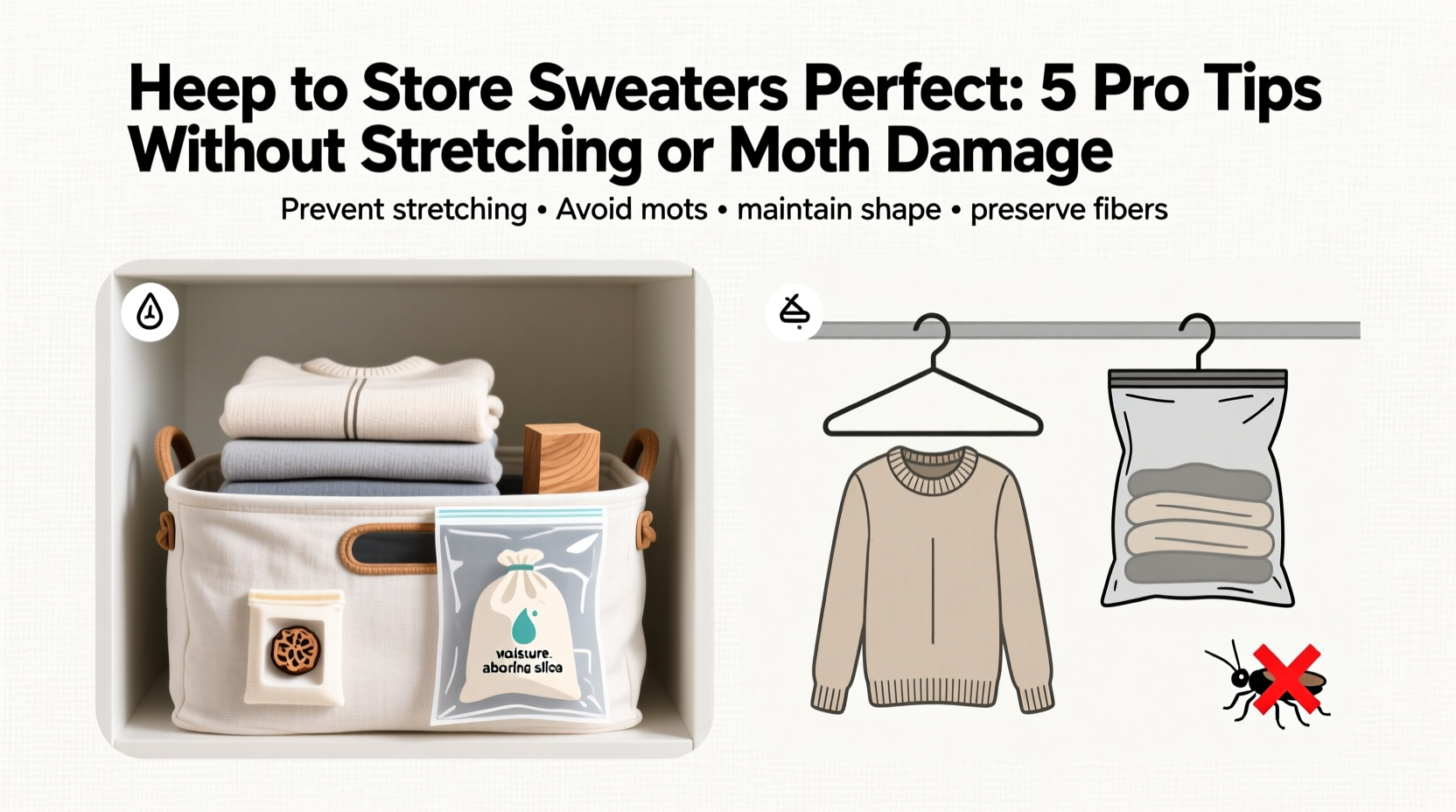
Storing sweaters incorrectly doesn’t just cause minor wrinkles—it leads to structural degradation over time. Knit fabrics, especially natural fibers like wool and cashmere, are prone to stretching when suspended by their shoulders. Hanging a sweater on a hanger may seem neat, but gravity pulls down on the fabric, causing the shoulders to droop and the body to elongate. This distortion becomes permanent after repeated wear and storage.
Moths pose another serious threat. Adult moths don’t eat fabric, but their larvae feed on keratin found in animal-based fibers such as wool, silk, and cashmere. A single female moth can lay up to 50 eggs, leading to rapid infestation if conditions are favorable—dark, undisturbed spaces with access to soiled fabric residues like sweat or food stains.
Step-by-Step Guide to Proper Sweater Storage
Preserving your sweaters begins before storage even starts. Follow this timeline to ensure each garment is ready for safe, long-term protection.
- Clean Thoroughly Before Storing: Always wash or dry clean your sweaters according to the care label before putting them away. Sweat, perfume, and food particles act as attractants for pests.
- Dry Completely: Air-dry flat on a clean towel, reshaping the garment to its original dimensions. Avoid direct sunlight or heat sources that can shrink or fade fibers.
- Inspect for Damage: Check for loose threads, small holes, or signs of previous moth activity. Repair minor flaws now to prevent worsening later.
- Fold Correctly: Use the “bend-and-tuck” method (detailed below) to minimize stress on seams and shoulders.
- Choose Breathable Containers: Store folded sweaters in cotton garment bags, canvas bins, or wooden chests—never plastic, which traps moisture.
- Add Natural Repellents: Place cedar blocks, lavender sachets, or dried rosemary in the storage area to deter moths without chemicals.
- Rotate Seasonally: Bring sweaters out at the start of the season, inspect again, and air them briefly before wearing.
Why Folding Beats Hanging Every Time
Hanging may look tidy, but it compromises the integrity of knitwear. Unlike structured garments such as coats or blazers, sweaters lack internal support. When hung, the weight distribution stretches the shoulder seams and neck opening, often beyond recovery.
Folding eliminates vertical strain and maintains the sweater’s designed silhouette. Done correctly, it also makes retrieval easier and reduces creasing compared to cramped drawer stacking.
The Best Way to Fold a Sweater for Storage
Improper folding can cause unnecessary pressure points and wrinkling. Use the museum-style fold—a technique adopted by fashion archivists—to keep sweaters pristine.
Museum Fold Technique
- Lay the sweater flat on a clean surface, front side down, smoothing out all wrinkles.
- Fold one sleeve across the back, aligning the cuff with the center of the collar.
- Repeat with the other sleeve so both overlap neatly in the middle.
- Fold the bottom hem up to just below the neckline.
- Fold the top half (including the collar) down over the lower section, creating a compact rectangle.
This method ensures even weight distribution, avoids sharp creases, and protects vulnerable areas like cuffs and collars.
Choosing the Right Storage Environment
Even perfectly folded sweaters can deteriorate if stored in poor conditions. Temperature, humidity, light exposure, and airflow all impact fabric longevity.
| Factor | Ideal Condition | Avoid |
|---|---|---|
| Temperature | 60–70°F (15–21°C) | Attics or basements with extreme swings |
| Humidity | 40–50% | Damp closets or bathrooms |
| Light Exposure | Low or indirect light | Direct sunlight (causes fading) |
| Airflow | Well-ventilated space | Airtight plastic bins |
| Storage Material | Cotton, canvas, wood | Vinyl or sealed plastic |
A bedroom dresser or closet shelf typically offers better climate stability than under-bed containers or garage shelves. If using storage boxes, opt for breathable fabric bins with lids rather than rigid plastic.
“Knitwear should be treated like heirloom textiles—even everyday sweaters benefit from archival-level care.” — Dr. Lena Peterson, Textile Conservation Specialist, Museum of Fashion History
Moth Prevention: Natural and Effective Strategies
Moths thrive in quiet, dark environments where clothes sit untouched for months. Preventing infestations requires proactive measures, not just reactive ones.
- Cedar Wood: Solid cedar blocks release aromatic oils that repel moths. Sand the surface lightly every few months to refresh the scent.
- Lavender Sachets: Dried lavender placed inside drawers disrupts moth navigation and adds a pleasant fragrance.
- Frequent Rotation: Taking sweaters out periodically—even just refolding them—disturbs potential nesting sites.
- Vacuum Sealing (with caution): Only use for short-term storage and never with natural fibers unless completely dry. Trapped moisture can encourage mold.
- Freezing Method: Suspect an item has eggs? Seal it in a plastic bag and freeze for 72 hours to kill larvae and eggs.
Note: Mothballs contain toxic chemicals like naphthalene or paradichlorobenzene. While effective, they leave strong odors and health concerns. Safer alternatives exist and are equally effective when used consistently.
Mini Case Study: Recovering a Damaged Wardrobe
Jamie, a teacher in Vermont, discovered several holes in her favorite wool cardigan after retrieving it from a basement bin. Upon inspection, she found evidence of webbing and tiny casings—clear signs of a past moth infestation. Instead of discarding the rest of her winter collection, she took action.
She laundered all wool items, froze those too delicate to wash, and transferred everything into breathable cotton storage cubes. She added sandable cedar blocks and began checking her closet monthly. Over two seasons, no new damage occurred. By adjusting her storage habits, Jamie saved over $400 worth of clothing and regained confidence in her seasonal rotation system.
Storage Do’s and Don’ts Summary
| Action | Do | Don’t |
|---|---|---|
| Folding | Use the museum fold; stack horizontally | Overstack more than 5–6 sweaters high |
| Cleaning | Wash/dry clean before storing | Store stained or sweaty garments |
| Containers | Breathable fabric bins or open shelves | Plastic bins or vacuum bags (long-term) |
| Pest Control | Cedar, lavender, regular airing | Rely solely on mothballs |
| Location | Interior closet or dresser drawer | Attic, basement, or garage |
FAQ
Can I hang cardigans without damaging them?
Only if they are made from sturdy cotton or acrylic blends and worn frequently. For long-term storage, folding is always safer. If you must hang, use padded hangers and only for short durations.
How often should I check stored sweaters?
Inspect every 4–6 weeks during peak storage months. Look for signs of pests, musty smells, or moisture buildup. Refold items to relieve pressure points.
Is it okay to store sweaters in garment bags?
Yes—but only if the bag is made of breathable cotton or muslin. Avoid non-porous materials like nylon or polyester, which trap humidity and encourage mildew growth.
Seasonal Maintenance Checklist
- ☐ Wash or dry clean each sweater
- ☐ Dry flat, reshape to original dimensions
- ☐ Mend loose buttons or snags
- ☐ Fold using museum technique
- ☐ Place in breathable container
- ☐ Add natural moth deterrent (cedar/lavender)
- ☐ Store in cool, dry, well-ventilated area
- ☐ Label container for easy identification
Conclusion: Treat Your Sweaters Like the Investment They Are
Your sweaters represent more than just seasonal warmth—they reflect personal style, craftsmanship, and often, significant cost. Protecting them isn’t about perfectionism; it’s about respect for quality and sustainability. Simple actions like proper folding, vigilant cleaning, and thoughtful storage location dramatically extend wearable life and reduce waste.
Start today: pull out last season’s knits, assess their condition, and reorganize your storage strategy. Small changes compound into lasting results. Not only will your sweaters look better longer, but you’ll also spend less replacing damaged items and feel more confident knowing your wardrobe is cared for with intention.




 浙公网安备
33010002000092号
浙公网安备
33010002000092号 浙B2-20120091-4
Comments
No comments yet. Why don't you start the discussion?