
Winter coats are essential investments—whether it’s a wool peacoat, down-filled parka, or a tailored trench. But when the warmer months arrive, these garments often get tucked away, sometimes for half the year. Improper storage can lead to irreversible damage, especially from moths, which thrive in dark, undisturbed spaces. The good news? With the right preparation and storage techniques, you can preserve your coats in excellent condition, free from pests, odors, and fabric degradation. This guide walks through proven methods to keep your winter outerwear safe and ready for next season.
Why Moths Target Winter Coats
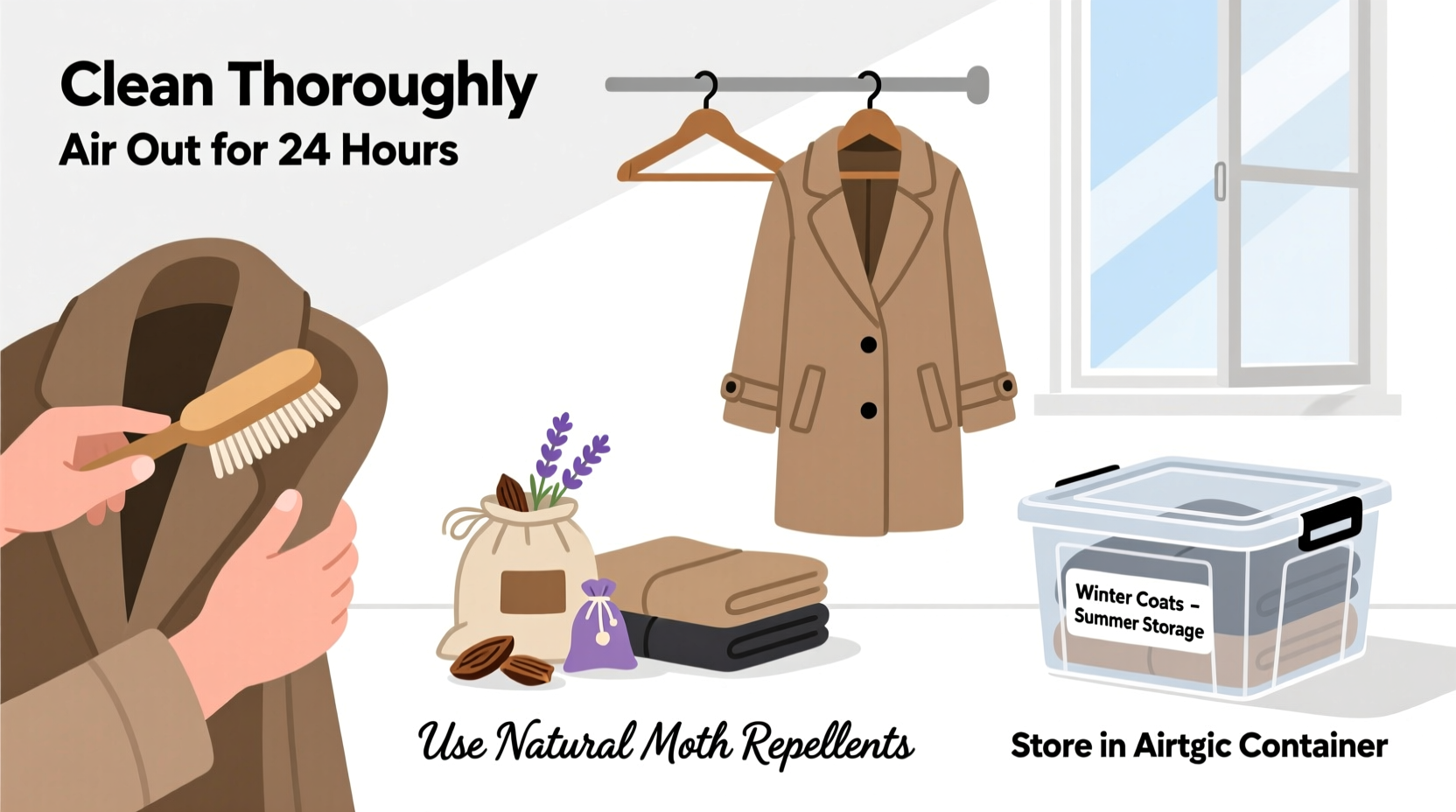
Moths don’t eat fabric—they feed on organic matter trapped within it. Wool, cashmere, fur, and even cotton blends with sweat or food residue attract adult moths looking to lay eggs. Once hatched, larvae chew through fibers, leaving holes and weakening the material. Winter coats are particularly vulnerable because they’re worn in cold weather, often accumulating body oils, skin particles, and moisture that linger after use.
Storing a dirty coat is like rolling out a welcome mat for moths. Even a faint odor invisible to humans can signal a feast to a hungry larva. Understanding this behavior is the first step in prevention: cleanliness is non-negotiable.
“Moths are drawn to neglected textiles. A clean coat stored properly has almost zero risk of infestation.” — Dr. Lena Peterson, Entomologist & Textile Preservation Specialist
Step-by-Step Guide to Storing Winter Coats Safely
Proper coat storage isn’t just about stuffing it into a closet. It requires deliberate cleaning, inspection, and protection. Follow this timeline to ensure your coats emerge from storage as good as new.
- Clean Before Storage: Never store a winter coat without washing or dry-cleaning it first. Check the care label—wool and silk blends usually require professional cleaning, while synthetic puffer jackets can often be machine-washed on a gentle cycle with mild detergent.
- Dry Thoroughly: Ensure the coat is completely dry before packing. Dampness invites mold and mildew, which also attract pests. Air-dry natural fabrics flat; tumble-dry down coats on low heat with dryer balls to restore loft.
- Inspect for Damage: Examine seams, buttons, zippers, and lining. Repair small tears now to prevent them from worsening. Moth larvae often enter through weak spots.
- Choose the Right Storage Location: Avoid attics, basements, or garages where temperature and humidity fluctuate. Instead, pick a cool, dry, well-ventilated interior closet away from direct sunlight.
- Select Appropriate Containers: Use breathable garment bags made of cotton or canvas. Avoid plastic bins or vacuum-sealed bags unless used with caution (more on this later).
- Add Natural Repellents: Place cedar blocks, lavender sachets, or dried rosemary in the storage area. These deter moths without harsh chemicals.
- Monitor Periodically: Check stored coats every 6–8 weeks. Shake them out, air them briefly, and inspect for signs of pests or moisture.
Do’s and Don’ts of Coat Storage
Avoid common mistakes that compromise coat integrity. The table below outlines key practices to follow and those to skip.
| Do’s | Don’ts |
|---|---|
| ✓ Clean coats before storing | ✗ Store soiled or damp garments |
| ✓ Use breathable cotton garment bags | ✗ Seal coats in plastic without ventilation |
| ✓ Store in a climate-stable room | ✗ Keep coats in humid basements or hot attics |
| ✓ Rotate storage position occasionally | ✗ Leave coats untouched for 6+ months |
| ✓ Use natural repellents like cedar | ✗ Rely solely on mothballs (toxic and smelly) |
Choosing the Right Storage Materials
The container matters as much as the location. While vacuum-sealed bags save space, they can crush delicate fibers and trap residual moisture, creating a breeding ground for mold. For structured wool coats, compression alters the drape permanently. Down and synthetic insulated coats lose loft when compressed long-term, reducing warmth.
Instead, opt for breathable solutions:
- Cotton Garment Bags: Allow airflow while protecting against dust. Ideal for wool, tweed, and tailored coats.
- Canvas Storage Boxes: Stackable and sturdy, these let air circulate and block light. Line with acid-free tissue paper to buffer pH levels.
- Wooden Cedar Chests: Naturally repel moths and regulate humidity. Best for heirloom pieces or vintage coats.
If you must use plastic bins, choose ones with ventilation holes or open the lid monthly to release trapped air. Never seal a freshly cleaned coat in an airtight environment—it needs time to off-gas any remaining moisture.
Real Example: How Sarah Saved Her Heirloom Wool Coat
Sarah inherited her grandmother’s 1950s camel-hair coat—a timeless piece she wore only during winters. After two seasons of stuffing it into a plastic bag under the bed, she found clusters of tiny holes along the collar and sleeves. A tailor confirmed moth damage. Devastated but determined, Sarah researched preservation methods.
She started by dry-cleaning the coat, then stored it in a breathable cotton cover on a padded hanger inside her bedroom closet. She added a cedar block and placed a lavender sachet inside the pocket. Every three months, she took the coat out, aired it near an open window for 30 minutes, and inspected it. Two years later, the coat remains intact, with no new damage. Sarah now treats all her seasonal clothing with the same care.
Her experience underscores a critical point: even minor neglect can lead to significant loss. But consistent, thoughtful habits reverse the risk.
Effective Natural Moth Repellents (And What Doesn’t Work)
Many people turn to DIY solutions, but not all are effective. Below is a comparison of popular options:
- Cedar Wood: Proven to repel moths for up to a year. Sanding or lightly scraping the surface renews its aroma and potency.
- Lavender Sachets: Pleasant-smelling and moderately effective. Best used in combination with other methods.
- Rosemary or Clove Bundles: Strong scent deters pests. Tie dried herbs in muslin and place in pockets or drawers.
- Mint or Eucalyptus Oils: Limited evidence of effectiveness. Can stain fabrics if spilled.
- Ultrasonic Devices: No scientific backing. Moths are not deterred by high-frequency sounds.
While mothballs (naphthalene) work, they emit toxic fumes and leave a persistent odor that’s hard to remove. They’re best avoided, especially if storing children’s clothing or items with strong sentimental value.
“The safest moth control combines cleanliness, airflow, and natural repellents. Chemical options should be last-resort solutions.” — James Holloway, Sustainable Home Consultant
Checklist: Summer Coat Storage in 7 Steps
Use this concise checklist to ensure every coat is stored correctly:
- 1. Remove all contents from pockets
- 2. Brush off surface dirt and debris
- 3. Dry-clean or wash according to care label
- 4. Dry completely—no lingering dampness
- 5. Repair loose buttons, zippers, or seams
- 6. Place in breathable garment bag or box
- 7. Add cedar block or lavender sachet and store in a dry, ventilated area
Frequently Asked Questions
Can I store my down coat in a compression sack?
Short-term compression is fine, but long-term storage in a compressed state damages the down clusters, reducing insulation. Store puffer coats loosely folded in a cotton bag instead. Fluff them periodically to restore loft.
How do I know if my coat already has moth eggs?
Look for small, silken tubes (larval casings), tiny holes in fabric, or faint rustling sounds when shaking the coat. If unsure, freeze the item in a sealed plastic bag for 72 hours—this kills eggs and larvae. Then air it out before storage.
Is it safe to store coats in vacuum-sealed bags if I add silica gel?
It depends on the material. Synthetic and cotton coats may survive short-term vacuum storage with desiccants. However, wool, down, and structured fabrics should never be vacuum-sealed for more than a few weeks. Prolonged compression weakens fibers and traps moisture, increasing mold risk.
Conclusion: Protect Your Investment Year-Round
Storing winter coats during summer isn’t just about freeing up closet space—it’s about preserving quality, function, and emotional value. A little effort now prevents costly repairs or replacements later. By cleaning thoroughly, choosing breathable storage, and using natural deterrents, you create an environment where moths can’t take hold.
Your coats have kept you warm through cold months. Return the favor by giving them the care they deserve. Start organizing your winter wardrobe today, and next winter, you’ll pull out your favorite coat knowing it’s fresh, intact, and ready to wear.




 浙公网安备
33010002000092号
浙公网安备
33010002000092号 浙B2-20120091-4
Comments
No comments yet. Why don't you start the discussion?