
In a studio apartment, every square foot counts—especially during the holidays. The idea of fitting a full-sized Christmas tree into a compact living space might seem impractical, even overwhelming. Yet, with thoughtful planning and a touch of creativity, you can bring festive cheer into your home without compromising on style or function. A well-styled Christmas tree doesn’t need to dominate the room; it should enhance it. From alternative tree shapes to minimalist ornamentation, this guide explores how to celebrate the season in a small space with elegance and intention.
Choose the Right Tree for Your Space
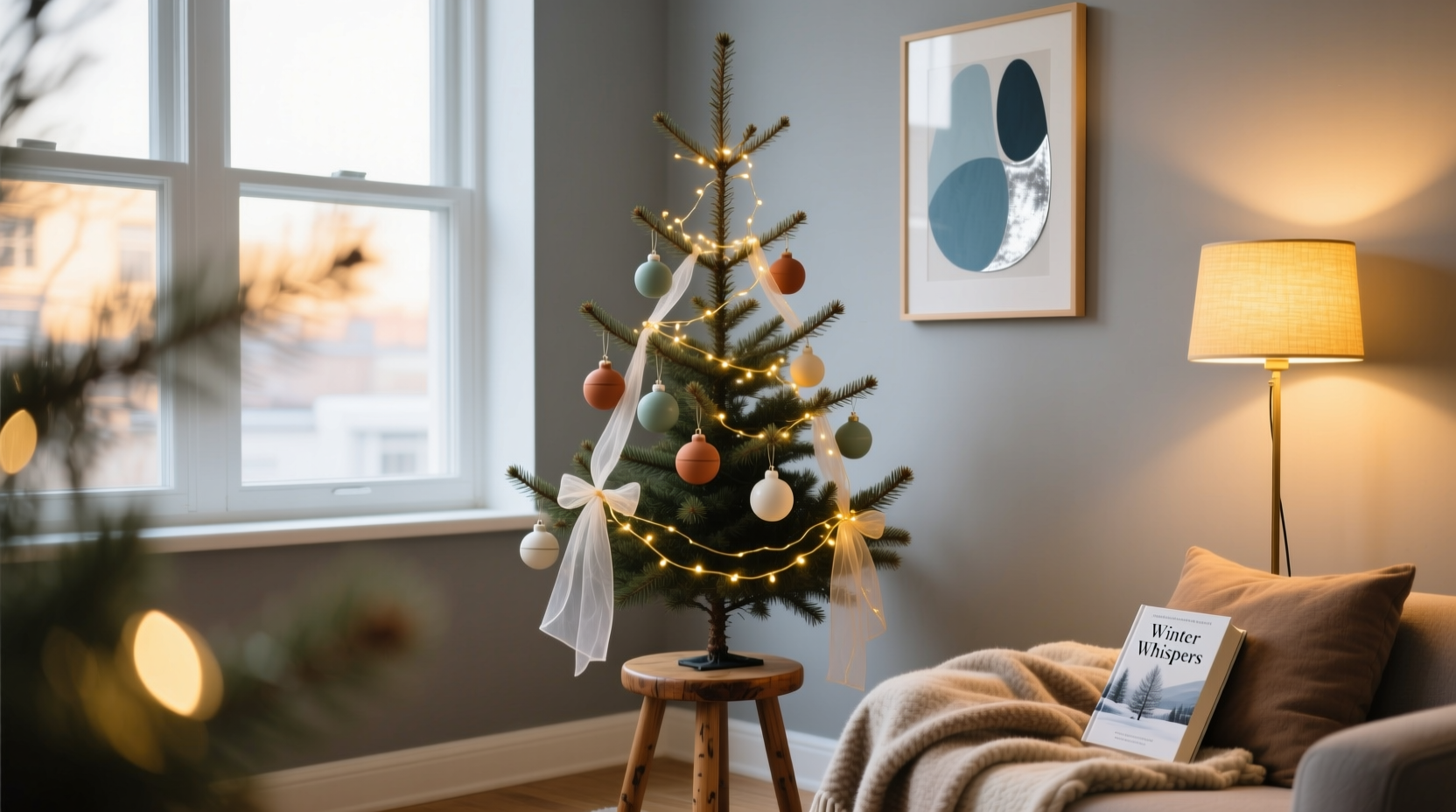
The foundation of a successful holiday display in a studio begins with selecting the right tree. Traditional floor-to-ceiling trees may not be feasible, but that doesn’t mean you have to go without greenery. Consider scale, shape, and placement from the outset.
Narrow-profile trees—such as pencil or slim conifers—are excellent choices. They typically range from 6 to 9 inches wide at the base but can reach heights of 5 to 7 feet, offering vertical impact without eating up floor space. Alternatively, tabletop trees between 18 and 36 inches tall can serve as charming centerpieces on a coffee table, desk, or kitchen island.
If real trees aren’t practical due to maintenance or space constraints, high-quality artificial trees designed for small spaces offer convenience and reusability. Look for models with hinged branches that fold flat for storage—a crucial feature when closet space is limited.
Creative Alternatives to Traditional Trees
When floor space is at a premium, rethink what a “tree” can be. Many studio dwellers are embracing unconventional forms that capture the essence of the season without the footprint.
- Wall-mounted trees: Use string lights, garland, or painted wooden cutouts arranged in a triangular silhouette directly on the wall. This frees up floor area entirely and creates a modern art-like focal point.
- Ladder trees: Lean a decorative wooden ladder against the wall and drape green garlands, fairy lights, and small ornaments over each rung to form a tiered effect.
- Hanging trees: Suspend a small inverted cone or wire frame from the ceiling and decorate it with lightweight ornaments and tinsel. Ideal for lofts with exposed beams or high ceilings.
- Furniture-integrated trees: Style a bookshelf by arranging books, plants, and holiday decor in a triangular formation across multiple shelves, adding string lights for glow.
These alternatives not only save space but also invite personal expression. A wall tree in metallic gold against dark paint sets a luxe tone, while a ladder draped in eucalyptus and pinecones leans rustic-chic.
“Small-space holiday styling is about maximizing visual warmth, not physical size.” — Lena Tran, Interior Stylist & Urban Living Consultant
Step-by-Step Guide to Styling a Compact Tree
Whether you’ve chosen a mini floor tree or a tabletop version, styling it effectively ensures it feels intentional rather than an afterthought. Follow this five-step process to elevate your display.
- Select a cohesive theme. Decide on a color palette (e.g., white and silver, forest green and burgundy) or aesthetic (vintage, Scandinavian, glam) before buying any decorations. This prevents clutter and maintains harmony.
- Start with lighting. Even small trees benefit from warm-white LED string lights. Wrap them evenly from base to tip, focusing on inner branches to create depth. For ultra-slim trees, use battery-operated fairy lights to avoid cords.
- Add structure with larger ornaments. Place 3–5 statement pieces first—such as matte ceramic balls, hand-blown glass, or fabric stars—to anchor the design. Space them throughout the tree for balance.
- Layer in texture and detail. Fill gaps with smaller ornaments in varying materials: felt, wood, metal, or paper. Mix matte and shiny finishes for visual interest without glare.
- Finish with a topper and base. Top the tree with a minimalist star, bow, or even a dried citrus wreath. Elevate the entire setup on a tray, cake stand, or wooden block to give it presence.
Smart Placement Ideas for Studio Layouts
Where you place your tree can make or break its integration into daily life. In studios, functionality must coexist with festivity. Avoid blocking pathways, obstructing seating, or crowding sleeping areas.
Consider these strategic placements:
- Corner nook: Tuck a narrow tree into an empty corner near a window. Use reflective surfaces like mirrors nearby to amplify light and create the illusion of more space.
- Near the entry: Position a slim tree just inside the door to welcome guests. Pair it with a bench or console table for dual utility—decor and storage.
- Beside the bed zone: If your sleeping area is defined by a platform or screen, place a small tree on a nightstand or floating shelf nearby for morning cheer.
- Kitchen counter: A mini tree on a back counter or open shelving adds holiday flair to meal prep moments without interfering with workflow.
Avoid placing trees directly in front of radiators, vents, or high-traffic paths. Safety and comfort come first—even in design.
Do’s and Don’ts of Tree Placement in Studios
| Do | Don’t |
|---|---|
| Use vertical space wisely (walls, shelves, hanging) | Place trees where they block natural movement |
| Anchor the tree so it won’t tip (especially with pets or kids) | Overload outlets with multiple light strands |
| Match tree style to existing décor (modern, boho, etc.) | Clutter the tree with too many competing colors or themes |
| Use timers on lights to conserve energy | Leave real trees unwatered for days |
Real Example: Maya’s 450-Square-Foot Holiday Makeover
Maya, a graphic designer living in a Brooklyn studio, wanted to celebrate her first solo holiday season with warmth and personality. Her main concerns were preserving workspace functionality and avoiding visual chaos.
She opted for a 4-foot pencil-shaped artificial tree in frosted white, which she placed in a far corner beside her reading chair. To save floor space, she mounted a floating shelf above it and styled it with vintage books, a ceramic reindeer, and a string of Edison bulbs that cascaded down onto the tree.
Her ornament scheme was monochromatic: shades of cream, ivory, and soft gold. She handmade some decorations using pressed botanicals sealed in resin, tying into her love of nature. A small woven basket beneath the tree held gifts, doubling as a base cover.
The result? A serene, gallery-like vignette that doubled as a cozy reading nook. Friends commented that it felt more intentional than most full-sized displays they’d seen.
Essential Checklist for Styling Your Studio Tree
Before you begin decorating, run through this checklist to ensure a smooth, satisfying setup:
- ✅ Measured available space (height, width, clearance)
- ✅ Chosen tree type (slim, tabletop, wall-mounted, etc.)
- ✅ Selected a color scheme or theme
- ✅ Purchased or gathered lights, ornaments, and topper
- ✅ Confirmed safe power access or battery backups
- ✅ Identified optimal location considering traffic flow
- ✅ Prepared base or stand (tray, stand, secured mount)
- ✅ Planned storage solution for post-holiday packing
This checklist helps prevent last-minute scrambles and ensures your tree enhances, rather than interrupts, your living environment.
Frequently Asked Questions
Can I use a real tree in a studio apartment?
Yes, but with caution. Choose a small live tree (3–4 feet) in a self-watering pot or stand. Monitor water levels daily and remove it promptly after the holidays to avoid needle shedding and dryness. Some city farms offer potted evergreens for rent—you return the tree after the season for replanting.
How do I prevent my tree from looking cluttered in a small space?
Less is more. Stick to one or two colors, limit ornament quantity, and prioritize quality over quantity. Use negative space intentionally—gaps between branches can highlight individual decorations and reduce visual weight.
What if I don’t want a traditional tree at all?
That’s perfectly fine. Many urban dwellers opt for symbolic alternatives: a single branch in a vase decorated with tiny ornaments, a garland swag over the mirror, or a wreath with built-in lights. The goal is to evoke the feeling of celebration, not replicate tradition.
Final Thoughts: Celebrate Within Your Space, Not Despite It
Styling a Christmas tree in a studio apartment isn’t about compromise—it’s about curation. You’re not failing the holiday spirit by going small; you’re honoring your environment with mindfulness and creativity. A thoughtfully placed tree, even if it’s only two feet tall or painted on a wall, can radiate more joy than a towering centerpiece in a cluttered room.
The magic of the season lies in ritual, memory, and shared warmth—not square footage. By choosing a tree that fits your lifestyle, reflecting your taste, and integrating seamlessly into your space, you create a holiday atmosphere that feels authentic and inviting.
Don’t wait for the “perfect” apartment to start your traditions. Begin now, where you are, with what you have. Let your studio’s limitations inspire innovation, not inhibition.




 浙公网安备
33010002000092号
浙公网安备
33010002000092号 浙B2-20120091-4
Comments
No comments yet. Why don't you start the discussion?