
Turtlenecks are a wardrobe staple known for their sleek silhouette, polished look, and versatility across seasons. Traditionally associated with colder months, many people hesitate to wear them when temperatures rise above 60°F (15°C). But with the right fabric choices, strategic layering, and thoughtful styling, a turtleneck can be both stylish and comfortable even in mild or transitional weather.
The key lies not in avoiding turtlenecks altogether during warmer days, but in adapting how you wear them. Whether you're navigating an air-conditioned office, enjoying a spring brunch, or transitioning from day to evening in fluctuating temperatures, there are proven ways to stay cool while maintaining a sophisticated aesthetic. This guide breaks down practical strategies to help you confidently wear turtlenecks year-round—without sweating through your outfit.
Choose the Right Fabric
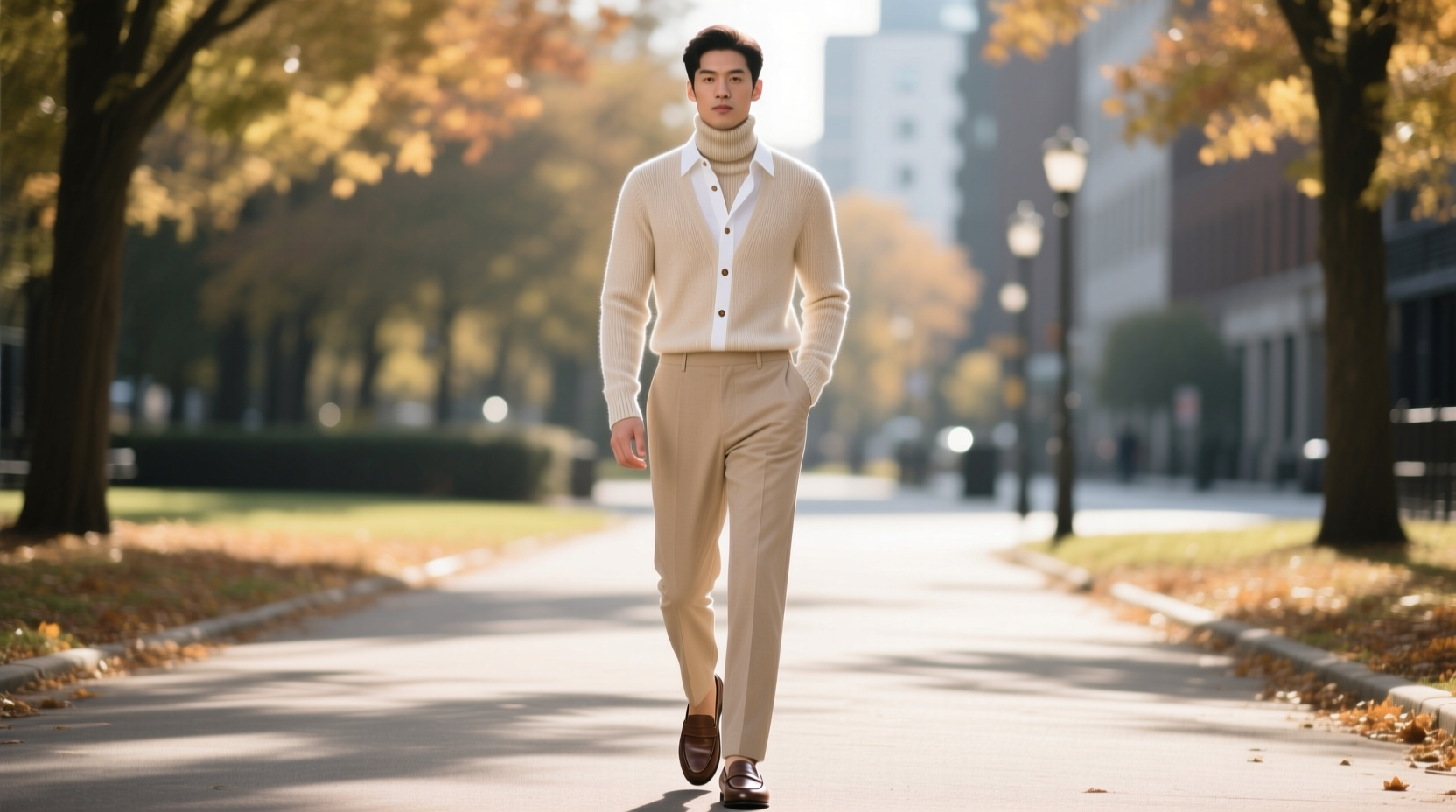
The foundation of staying cool in a turtleneck starts with the material. Not all turtlenecks are created equal, and heavy wool or thick cotton knits will trap heat regardless of how loosely they’re styled. Instead, opt for lightweight, breathable fabrics that wick moisture and allow airflow.
- Cotton voile or poplin: Thin, crisp cotton weaves offer breathability and structure without bulk.
- Linen: Naturally temperature-regulating and highly absorbent, linen is ideal for mild climates. It wrinkles easily, but that adds to its relaxed charm.
- Bamboo or TENCEL™: These eco-friendly fibers are soft, moisture-wicking, and excellent at regulating body temperature.
- Merino wool (lightweight): Counterintuitively, fine merino is breathable and odor-resistant, making it suitable even in spring conditions.
Avoid synthetic blends like polyester or acrylic unless they’re specifically designed for performance wear. These materials tend to retain heat and trap sweat, defeating the purpose of staying cool.
Master the Art of Strategic Layering
Layering isn’t just for winter. In mild weather, smart layering allows you to adapt to changing temperatures throughout the day. The trick is to use open, airy outer pieces that provide coverage without insulation.
For example, pairing a fitted cotton turtleneck with an unbuttoned overshirt, linen blazer, or cropped utility jacket creates visual interest while promoting ventilation. These layers act more as stylistic accents than thermal barriers, allowing air to circulate around the neck and torso.
“Light layering transforms a turtleneck from a winter garment into a transitional essential. Think of outerwear as punctuation—not padding.” — Julian Park, Menswear Stylist & Consultant
In cooler mornings or air-conditioned spaces, the turtleneck provides warmth. As temperatures climb, simply remove the top layer while still looking put-together. This flexibility makes the turtleneck ideal for unpredictable spring days.
Step-by-Step Guide: Building a Breathable Turtleneck Outfit
- Select a lightweight turtleneck in natural fiber (e.g., cotton, bamboo).
- Pair it with high-waisted, breathable trousers or a midi skirt made of linen or cotton.
- Add an open-weave cardigan, denim jacket, or tailored overshirt.
- Choose footwear that balances formality—loafers, ballet flats, or minimalist sneakers work well.
- Accessorize minimally: a delicate necklace or watch keeps focus upward without adding heat.
- Adjust layers based on ambient temperature—remove outerwear as needed.
Optimize Fit and Neckline Design
Fitting plays a crucial role in thermal comfort. A tight turtleneck compresses the neck and traps warm air, leading to discomfort even in moderate temperatures. Instead, choose styles with a relaxed fit or a slightly slouchy neckline that drapes rather than clings.
Consider these variations:
- Mock neck: Sits just below the chin, offering the look of a turtleneck with less coverage.
- Roll-over collar: Made from soft, stretchy fabric that folds loosely, reducing constriction.
- Off-the-shoulder turtleneck: Exposes part of the collarbone and shoulders, enhancing airflow while retaining style.
Slim-fit turtlenecks aren’t off-limits—they can work if made from ultra-thin materials and worn in controlled environments. However, for all-day wear in mild weather, a looser silhouette generally performs better.
| Neckline Style | Ventilation Level | Best For |
|---|---|---|
| Classic Tight Turtleneck | Low | Cold indoor spaces, evening wear |
| Slouchy Roll-Neck | Moderate | Spring days, layered looks |
| Mock Neck | High | Warm afternoons, office settings |
| Off-the-Shoulder Turtleneck | Very High | Casual outings, breezy evenings |
Color and Texture: Psychological Cooling Effects
While color doesn't physically lower body temperature, it influences perception—both your own and others'. Dark colors absorb sunlight and radiate heat, making black or navy turtlenecks feel warmer under direct sun. Lighter hues like ivory, sand, pale gray, or sky blue reflect light and create a psychologically cooler impression.
Additionally, textured fabrics such as ribbed knits with wider spacing or mesh-like weaves improve airflow. A fine-gauge rib turtleneck, for instance, has natural channels between stitches that allow heat to escape more efficiently than a solid-knit version.
In professional settings where dark colors are preferred, consider wearing a light-colored underlayer beneath a black turtleneck—such as a thin silk camisole or sleeveless tank. This reduces direct skin contact with darker fabric and adds moisture absorption.
Real-World Example: Spring Commute Styling
Sophie, a graphic designer in Portland, Oregon, faces variable spring weather daily—chilly mornings warming into sunny afternoons. Her solution? A heather-gray bamboo turtleneck paired with wide-leg linen pants and a long, open-weave trench coat.
She leaves home with the coat buttoned and carries a foldable tote. By mid-morning, as temperatures climb into the low 70s (°F), she removes the coat and ties it around her waist or packs it away. The bamboo fabric remains breathable, and the loose fit prevents overheating. At lunch, colleagues compliment her polished yet effortless look—no one suspects she’s wearing a turtleneck.
This real-life scenario demonstrates how fabric choice, adaptable layers, and practical planning make turtlenecks viable far beyond winter.
Checklist: How to Wear a Turtleneck Without Overheating
- ✅ Choose breathable natural fibers: cotton, linen, bamboo, or lightweight merino.
- ✅ Opt for looser fits or alternative collars (mock neck, roll-over).
- ✅ Use open outer layers: unbuttoned shirts, blazers, or dusters.
- ✅ Stick to light or medium colors in sunny conditions.
- ✅ Avoid synthetic blends unless designed for breathability.
- ✅ Carry a lightweight scarf or shawl for air-conditioned interiors.
- ✅ Prioritize moisture-wicking properties over thickness.
Common Mistakes to Avoid
Even with good intentions, certain styling choices can undermine your efforts to stay cool:
- Wearing a thick turtleneck under a sweater: This double-layer setup is overkill in mild weather and leads to rapid overheating.
- Ignoring humidity: Moisture-laden air reduces evaporation. In humid climates, prioritize fabrics with superior wicking ability.
- Over-accessorizing the neck: Adding scarves or chokers defeats the purpose of staying cool.
- Choosing poor tailoring: A turtleneck that bunches at the shoulders or pulls at the neck restricts movement and traps heat.
Remember: the goal is balance. You want to maintain the turtleneck’s elegance while ensuring physical comfort.
Frequently Asked Questions
Can I wear a turtleneck in 70°F (21°C) weather?
Yes, as long as it’s made from a lightweight, breathable fabric like cotton, linen, or bamboo. Pair it with minimal layers and avoid direct sun exposure during peak hours. Many people comfortably wear thin turtlenecks at this temperature, especially in shaded or breezy environments.
Are cotton turtlenecks breathable enough for spring?
It depends on the weave. Lightweight pima cotton or cotton voile turtlenecks are highly breathable and ideal for mild weather. Avoid heavy jersey or loopback cotton, which retain more heat. Look for garments labeled “lightweight” or “summer weight” for best results.
How do I prevent my turtleneck from smelling after short wear?
Natural fibers like merino wool and bamboo have inherent odor-resistant properties. For cotton or linen, wash after each wear if you’ve been active or perspiring. Air out the garment between uses by hanging it in a ventilated area. Avoid plastic garment bags, which trap moisture and promote bacterial growth.
Final Thoughts and Call to Action
Styling a turtleneck in mild weather isn’t about enduring discomfort for the sake of fashion—it’s about making intelligent choices that align comfort with aesthetics. By selecting the right materials, adjusting fit, and leveraging layering techniques, you can enjoy the clean lines and elevated look of a turtleneck without feeling stifled.
The turtleneck doesn’t belong only in winter wardrobes. With awareness of fabric, fit, and environment, it becomes a year-round asset—equally at home in a sunlit café as it is in a climate-controlled office. Don’t let outdated seasonal rules limit your style. Experiment with breathable versions, test combinations in real conditions, and refine your approach based on what works for your lifestyle.




 浙公网安备
33010002000092号
浙公网安备
33010002000092号 浙B2-20120091-4
Comments
No comments yet. Why don't you start the discussion?