
Oversized blazers have surged in popularity, becoming a cornerstone of modern fashion for their blend of comfort, confidence, and contemporary edge. When styled well, they project authority, nonchalance, and effortless sophistication. But when the proportions go wrong—or styling lacks intention—they can make even the most put-together person look swallowed by fabric. The key isn’t avoiding the trend; it’s mastering it.
The challenge lies in balancing volume with structure. An oversized blazer shouldn’t mean shapeless. It should enhance your silhouette, not erase it. With thoughtful tailoring, strategic layering, and attention to proportion, you can wear an oversized blazer with polish and precision—without appearing frumpy or lost inside the garment.
Understand the Difference Between Oversized and Ill-Fitting
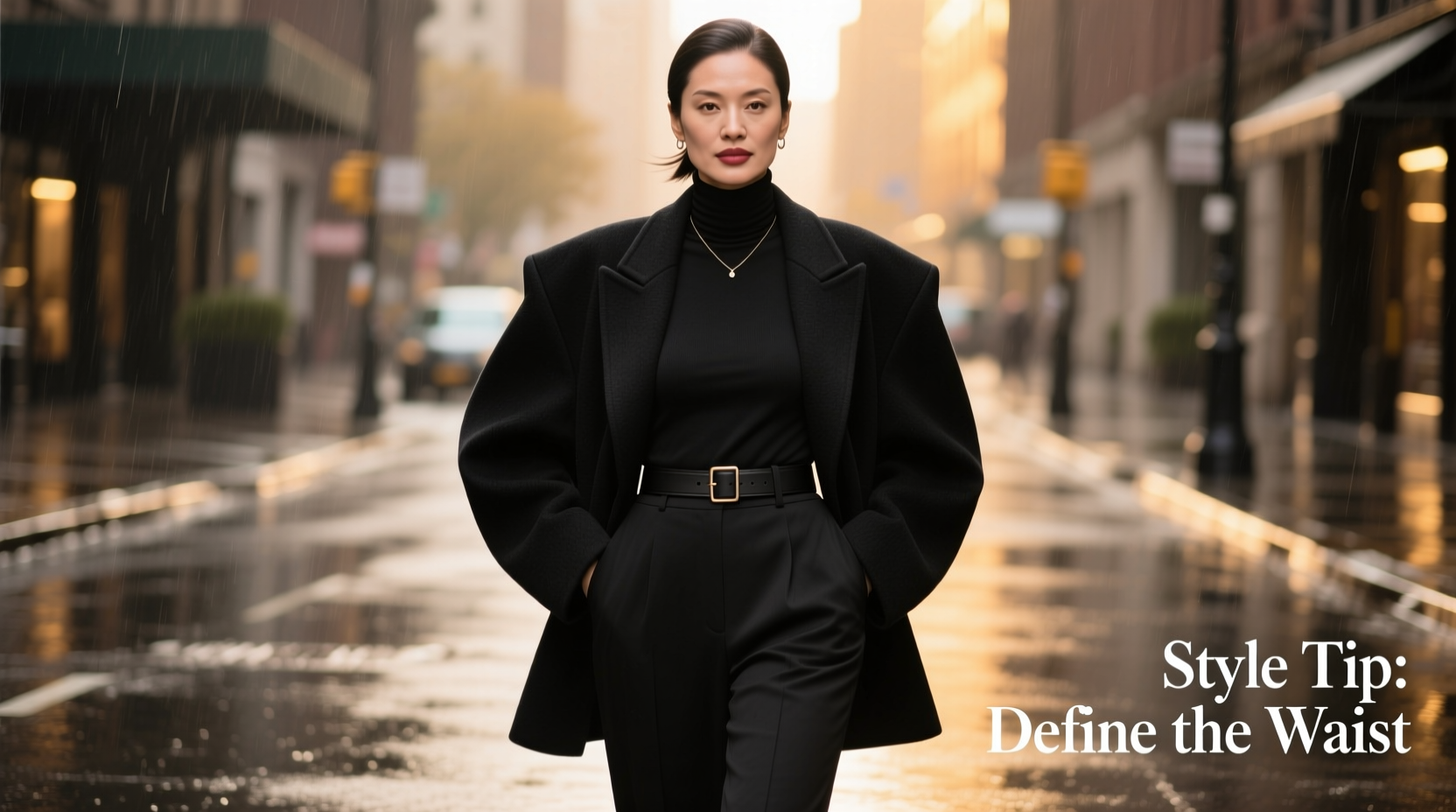
A common mistake is confusing “oversized” with “too big.” True oversized styling embraces intentional volume—slightly wider shoulders, longer sleeves, a boxier cut—but still respects the body’s natural lines. A poorly fitting blazer, by contrast, drags, bunches, or sags in all the wrong places.
Fabric weight plays a critical role. Light materials like linen or thin cotton can collapse under their own weight, creating a slouchy, unstructured look. Heavier fabrics—tweed, wool blends, structured cotton—hold shape better and maintain clean lines even when cut generously.
Key Indicators of a Well-Designed Oversized Blazer
- Shoulders: Seams should sit just beyond your natural shoulder line—not drooping down your arm.
- Sleeves: Should extend to the base of your thumb, ideally covering part of the hand for a modern look.
- Length: Hits at or slightly below the hip—never past mid-thigh unless intentionally styled as a coat.
- Lapels: Proportionate to the jacket; overly wide lapels can exaggerate bulk.
“Oversized doesn’t mean amorphous. The best oversized pieces have architecture—they sculpt space around the body.” — Lena Park, Fashion Stylist & Consultant
Create Balance with Strategic Proportions
The golden rule of styling volume? Counterbalance it. If the top half is loose, keep the bottom half streamlined. This creates visual harmony and prevents the outfit from appearing bulky overall.
For example, pair an oversized blazer with slim trousers, fitted jeans, or a pencil skirt. The contrast between fullness up top and definition below draws the eye and maintains elegance.
Proportion Pairings That Work
| Top (Oversized Blazer) | Bottom (Balancing Piece) | Effect |
|---|---|---|
| Boxy wool blazer | Skinny black trousers | Sharp, office-ready with modern flair |
| Longline linen blazer | Bike shorts or cropped leggings | Casual-cool, athleisure-inspired |
| Double-breasted tweed | Leather or faux-leather pants | Edgy, textural contrast |
| Unstructured cotton | High-waisted midi skirt | Feminine balance with relaxed ease |
The same principle applies vertically. If the blazer is long, avoid pairing it with high-volume bottoms like wide-leg pants unless you’re aiming for a dramatic runway look. In everyday wear, this combination risks overwhelming your frame.
Define Your Waist Without Sacrificing Comfort
One of the most effective ways to avoid looking frumpy in an oversized blazer is to reintroduce shape at the waist. This doesn’t mean squeezing into a corset—it means using smart styling to create definition.
A simple trick: wear a belt over the blazer. Choose a wide leather or fabric belt and fasten it at your natural waist. This transforms the blazer into a statement coat-dress hybrid, especially effective with longline styles.
Alternatively, layer a fitted piece underneath—a bodysuit, cropped sweater, or form-fitting turtleneck—and leave the blazer open. The visible waistline beneath the open jacket provides contrast and keeps the look intentional.
Step-by-Step: How to Belt an Oversized Blazer
- Put on the oversized blazer and leave it unbuttoned.
- Select a belt that contrasts slightly in color or texture (e.g., black belt over a navy blazer).
- Position the belt at your narrowest point—usually just above the navel.
- Ensure the blazer fabric falls smoothly over the hips, not bunched or twisted.
- Adjust sleeve length so cuffs remain visible over the belt.
This technique works particularly well for taller individuals or those with longer torsos, but petite frames can also benefit—just use a thinner belt and avoid wide hardware that overwhelms the waist.
Play with Layering and Fabric Contrast
Layering adds depth and prevents the blazer from looking like a standalone sack. The right layers introduce texture, color variation, and dimension—key elements in avoiding a flat, frumpy appearance.
Start with a base layer that fits snugly: a ribbed turtleneck, tank top, or button-down shirt. Then, add the blazer. For cooler weather, consider a lightweight turtleneck under a dress, topped with the blazer for a polished, layered effect.
Mix textures to elevate the look. A chunky knit under a sleek wool blazer creates visual interest. Pair a silk camisole with a structured oversized blazer for a luxe-yet-relaxed evening outfit.
Do’s and Don’ts of Layering with Oversized Blazers
| Do | Don’t |
|---|---|
| Layer a fitted roll-neck under the blazer | Wear bulky sweaters that add horizontal volume |
| Use contrasting collar heights (e.g., crisp white shirt peeking out) | Let multiple loose layers compete for attention |
| Add a long pendant necklace to elongate the torso | Over-accessorize with large scarves or chunky chains |
| Roll or push up sleeves to expose wrists and forearms | Let sleeves cover your hands entirely—this shortens the frame |
Shoes also play a crucial role in layering energy. Pointed-toe flats, ankle boots, or heels draw the eye downward and elongate the leg, counterbalancing the volume above. Avoid clunky shoes unless they’re part of a deliberate aesthetic—like pairing combat boots with a grunge-inspired blazer look.
Real-Life Example: From Frumpy to Fabulous
Sophie, a 34-year-old marketing consultant, bought an oversized camel blazer during a sale, drawn to its soft wool and modern cut. At first, she wore it buttoned with baggy jeans and sneakers, feeling “like a tent on legs.” After consulting a stylist, she reworked her approach.
She started leaving the blazer open, pairing it with a black turtleneck tucked into high-waisted tailored trousers. She added a slim black belt at her waist and swapped her sneakers for pointed-toe ankle boots. Finally, she rolled the sleeves once to reveal her watch and wrist.
The transformation was immediate. Colleagues commented on her “polished yet relaxed” look. Sophie realized the blazer wasn’t the problem—the styling was. With small adjustments, she turned a potentially frumpy outfit into a signature workwear ensemble.
Checklist: Style Your Oversized Blazer Like a Pro
- ✅ Ensure shoulders end just beyond your natural shoulder line
- ✅ Pair with fitted or streamlined bottoms
- ✅ Define your waist with a belt or tucked-in top
- ✅ Roll sleeves to show wrists and add structure
- ✅ Use shoes that elongate your legs (pointed toes, heels, or sleek boots)
- ✅ Add one standout accessory (necklace, watch, or earrings) to draw focus upward
- ✅ Avoid layering multiple loose garments underneath
Frequently Asked Questions
Can petite women wear oversized blazers?
Yes—petite individuals can wear oversized blazers, but proportions matter. Opt for shorter lengths (ending at the hip) and avoid excessively wide shoulders. Pair with high-waisted bottoms to maintain leg length. Belting can also help define the frame without adding bulk.
Should I ever button an oversized blazer?
Only if it’s designed to be worn that way. Some oversized blazers have a single button and are meant to close at the waist. However, most look better left open, especially if they’re very roomy. Buttoning can distort the drape and create unflattering folds. If you do button it, ensure the fabric lies flat and doesn’t pull or gap.
How do I know if my blazer is too big?
If the shoulders extend more than an inch beyond your natural shoulder line, or if the fabric sags under the arms or across the back, it’s likely too big. Also, if you can’t comfortably move your arms without the jacket riding up or twisting, it’s not working for your frame—even if it’s “supposed” to be oversized.
Final Thoughts: Own the Volume
Styling an oversized blazer isn’t about minimizing it—it’s about commanding it. The goal isn’t to disappear inside the fabric but to use its volume as a tool for expression. When you balance proportions, define your shape, and choose complementary pieces, the oversized blazer becomes a statement of control, not compromise.
It’s not about hiding your body; it’s about framing it differently. The most stylish people don’t follow trends blindly—they adapt them. They understand that fashion is conversation between clothing and wearer. An oversized blazer, when styled with intention, says you’re confident enough to take up space—without losing yourself in it.




 浙公网安备
33010002000092号
浙公网安备
33010002000092号 浙B2-20120091-4
Comments
No comments yet. Why don't you start the discussion?