
Flyaways are the uninvited guests of hairstyling—persistent, unpredictable, and often impossible to ignore. Whether you're stepping out for a meeting or preparing for a photo, those wispy strands can ruin an otherwise polished look. The challenge? Most traditional solutions involve product buildup, oils, or gels that weigh hair down and leave it looking slick or greasy. The good news is that with the right techniques and tools, you can manage flyaways effectively while maintaining natural volume, shine, and texture.
This guide explores science-backed methods, expert-approved tools, and real-world tested strategies to keep flyaways under control—without sacrificing your hair’s freshness. From humidity-resistant tricks to heat-free smoothing techniques, these quick fixes deliver results in under two minutes and last all day.
Understanding Why Flyaways Happen
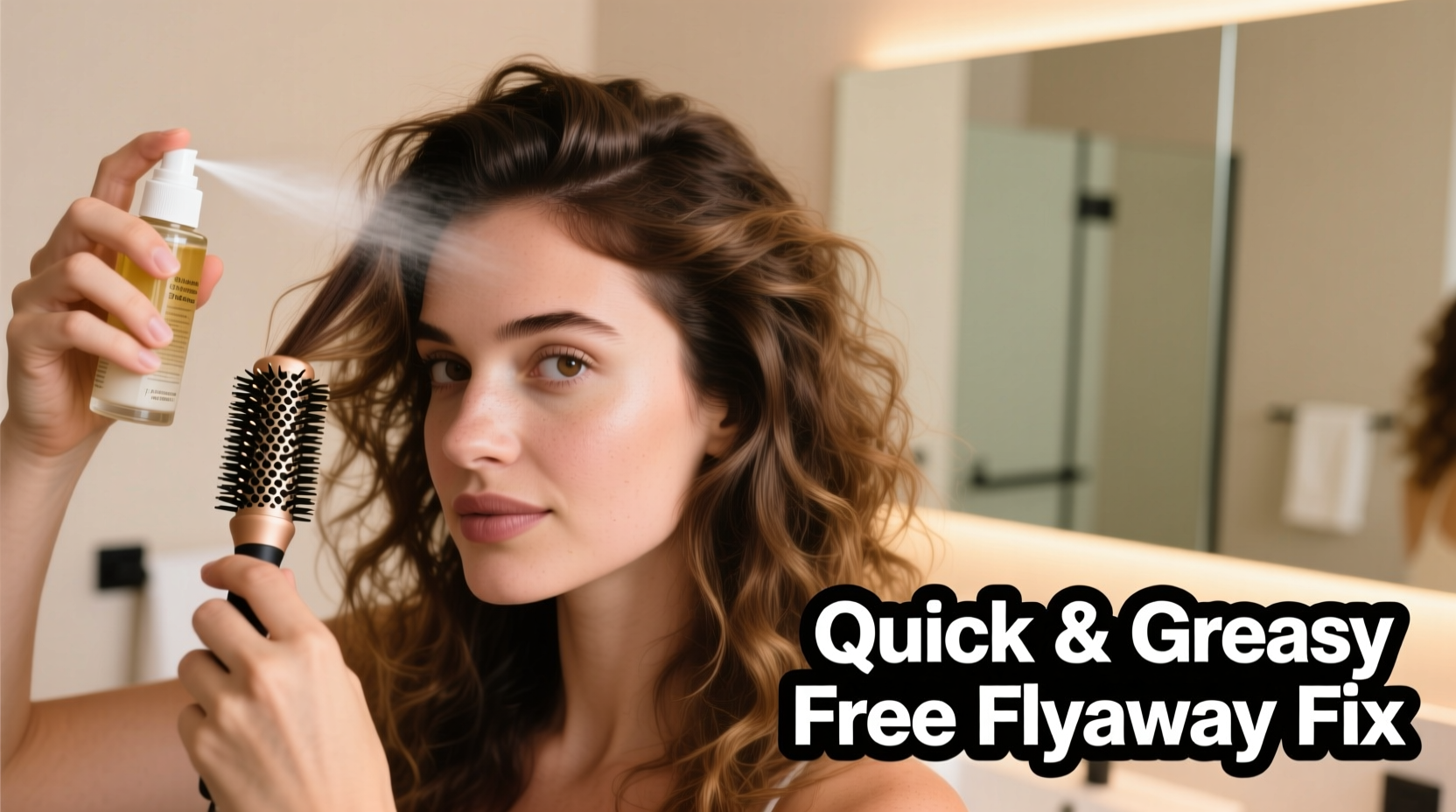
Flyaways aren’t just a styling inconvenience—they’re a physical reaction to environmental and mechanical stressors. At their core, flyaways occur when individual hair strands become statically charged and repel each other, lifting away from the main body of the hair. This is especially common in dry climates, low-humidity environments, or after brushing, which generates friction and static.
Other contributing factors include:
- Dryness: Lack of moisture in the hair cuticle leads to frizz and lift.
- Overwashing: Stripping natural oils disrupts the scalp’s balance, increasing brittleness.
- Mechanical damage: Rough towel drying, excessive brushing, or synthetic pillowcases increase breakage and fuzz.
- Humidity shifts: Sudden changes in moisture levels cause hair to expand and contract, loosening strands.
Knowing the root cause helps determine the best intervention—especially when avoiding greasiness is a priority.
Quick Fixes That Work Without Grease
The goal isn’t just to hide flyaways but to neutralize them efficiently and cleanly. These fast-acting solutions require minimal effort and zero heavy products.
1. The Hand Moisturizer Trick
A small dab of hand lotion rubbed between palms and lightly smoothed over flyaways tames static without visible residue. The emollients in most lotions act as temporary sealants, weighing down only the loose ends.
“Using a tiny amount of unscented hand cream is one of the best-kept secrets among editorial stylists.” — Dana Reyes, Celebrity Hairstylist & Red Carpet Specialist
How to apply: Rub a pea-sized amount between hands until almost absorbed, then glide fingertips over the crown and hairline. Avoid roots to prevent oiliness.
2. Cold Air Blast from a Hair Dryer
After styling, use your blow dryer on cold mode and direct it downward along the surface of your hair. The cool air seals the cuticle and reduces puffiness caused by residual heat.
This method works especially well after curling or straightening, locking in smoothness without adding any product.
3. Silk or Satin Touch-Up
Rubbing a silk scarf or scrunchie gently over the top layer of hair smooths flyaways through friction reduction. Unlike cotton, silk doesn’t create static and adds subtle sheen.
This is ideal for midday touch-ups during work or travel—quiet, discreet, and completely grease-free.
4. Boar Bristle Brush Finish
A few passes with a natural boar bristle brush distribute your scalp’s natural oils from roots to ends without overloading any single area. This balances moisture and calms flyaways naturally.
Use light pressure and stroke in the direction of hair growth. Over-brushing can exacerbate static, so limit to 5–7 strokes.
Product-Free Alternatives and Tools
Many people assume taming flyaways requires sprays, serums, or gels. But there are several non-product tools that offer long-term benefits without compromising texture.
| Tool | How It Works | Best For |
|---|---|---|
| Silk Pillowcase | Reduces friction during sleep, preventing morning static and breakage | Nightly prevention |
| Ion-Infused Hairbrush | Releases negative ions to neutralize positive static charge in hair | Daily detangling |
| Cool Mist Spray Bottle | Light water mist resets hair alignment and dampens flyaways temporarily | Humidity control |
| Mini Flat Iron (Travel Size) | Smooths edges with brief heat contact—no product needed | On-the-go touch-ups |
Investing in even one of these tools can reduce reliance on styling products significantly. For example, switching to a silk pillowcase has been shown in dermatological studies to reduce surface frizz by up to 40% over four weeks.
Step-by-Step: 90-Second Flyaway Rescue Routine
When time is tight and appearance matters, follow this streamlined process:
- Assess the area: Identify where flyaways are most prominent—typically temples, crown, or nape.
- Neutralize static: Lightly run a dryer sheet over the affected zones. One swipe is enough.
- Add micro-moisture: Dampen fingertips with water or a drop of hand cream and smooth gently over strands.
- Seal with cool air: Use a blow dryer on cold setting for 15 seconds, directing airflow downward.
- Final polish: Glide a metal comb wrapped in a silk cloth over the surface to add shine and lay hairs flat.
This entire sequence takes less than 90 seconds and leaves hair looking sleek, healthy, and completely product-free.
Real-World Example: The Morning Commute Fix
Take Sarah, a marketing executive who commutes via bike in a humid city climate. Every morning, her ponytail would develop a halo of flyaways by the time she arrived at the office—despite using anti-frizz serum the night before. The combination of wind, sweat, and fabric friction from her helmet made traditional products ineffective and often worsened the greasy appearance by mid-morning.
She switched to a new routine: applying a rice-grain-sized amount of hand balm to her fingertips post-commute, followed by a 10-second blast of cool air from a mini USB-powered dryer she keeps at her desk. She also started wearing a silk-lined helmet liner.
Within a week, her flyaways decreased by over 70%, according to her own journal tracking. Her hair maintained volume at the roots and looked polished without visible residue—even under office lighting and video calls.
Sarah’s case illustrates that environment-specific solutions often outperform generic product-heavy approaches.
Do’s and Don’ts of Flyaway Control
To avoid common pitfalls, refer to this practical checklist:
| Do | Don’t |
|---|---|
| Use fingertips instead of palms for precise application | Apply oils or serums directly from the bottle |
| Opt for alcohol-based finishing sprays (non-drying types) | Use hairspray excessively near the scalp |
| Carry a mini boar bristle brush in your purse | Brush hair aggressively when dry |
| Store hair tools in anti-static pouches | Touch hair repeatedly throughout the day |
| Hydrate internally—drink water to support hair health | Rely solely on external fixes without addressing dryness |
Small behavioral adjustments make a significant difference in maintaining clean, controlled hair all day.
FAQ: Common Questions About Grease-Free Flyaway Control
Can I use hand sanitizer to tame flyaways?
No. While it may temporarily weigh down strands, hand sanitizer contains high concentrations of alcohol and fragrances that dry out hair and irritate the scalp. Repeated use can lead to increased brittleness and more flyaways over time.
Is there a way to prevent flyaways overnight?
Yes. Sleep on a silk or satin pillowcase and loosely braid long hair or wear a satin bonnet. This minimizes friction and prevents static buildup. Avoid tight elastics or cotton fabrics, which pull and abrade delicate strands.
What if my hair is fine and gets oily quickly?
Focus on non-liquid solutions like cool air, silk smoothing, or a tiny bit of translucent powder at the roots to absorb excess oil while managing flyaways elsewhere. Use targeted fingertip applications rather than broad product distribution.
Expert-Approved Checklist for Daily Flyaway Prevention
Follow this simple daily checklist to stay ahead of flyaways without greasiness:
- ✅ Start the day with a boar bristle brush pass
- ✅ Apply hand moisturizer only to palms first—not directly to hair
- ✅ Carry a dryer sheet or silk scarf for touch-ups
- ✅ Use cool air after any heat styling
- ✅ Limit touching hair throughout the day
- ✅ Wash hair every 2–3 days to preserve natural oils
- ✅ Hydrate with a leave-in conditioner once weekly (rinse out excess)
Consistency with these habits reduces dependency on last-minute fixes and improves overall hair integrity.
Conclusion: Master Flyaways Without Sacrificing Freshness
Taming flyaways doesn’t require heavy serums, sticky gels, or repeated product layering. With smarter techniques and everyday items already in your home or bag, you can achieve a sleek, polished look that lasts—all without making your hair look greasy. The key lies in understanding the causes of flyaways and choosing interventions that address static, dryness, and friction without adding weight.
Whether you're combating morning bedhead, humidity-induced fuzz, or post-helmet chaos, these quick, residue-free methods offer real results. Start integrating one or two into your routine today. Track what works for your hair type and lifestyle. Small changes compound into lasting improvements—not just in appearance, but in confidence.




 浙公网安备
33010002000092号
浙公网安备
33010002000092号 浙B2-20120091-4
Comments
No comments yet. Why don't you start the discussion?