
Setting up a new aquarium is exciting, but adding fish too soon can lead to stress, illness, or even death. The key to a healthy tank lies in completing the nitrogen cycle—a biological process that establishes beneficial bacteria capable of breaking down harmful fish waste. Knowing when this cycle is complete ensures your aquatic environment is stable and safe for fish. This guide walks you through the science, signs, and practical steps to confidently determine when your aquarium is ready.
Understanding the Nitrogen Cycle
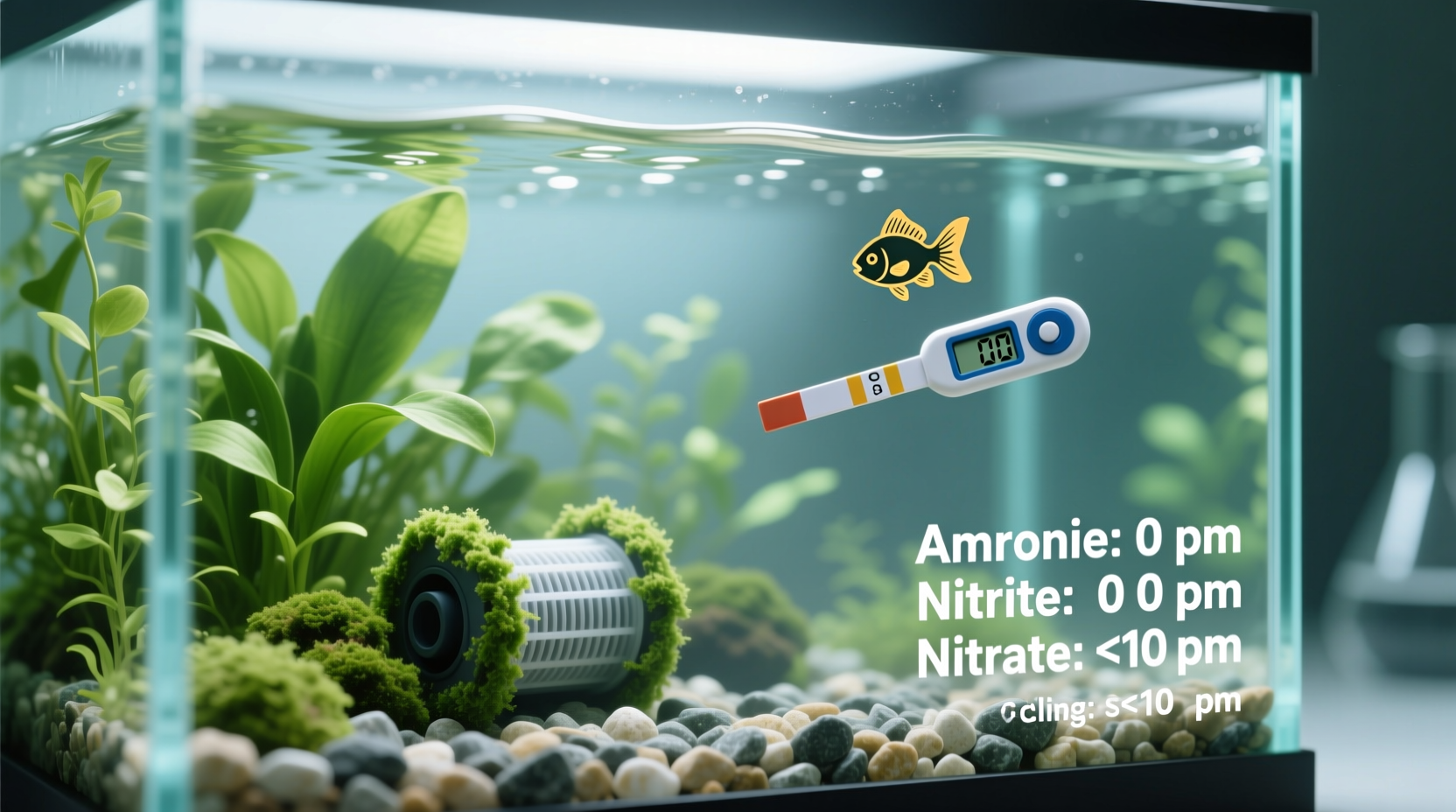
The nitrogen cycle is a natural process in which ammonia from fish waste, decaying food, and organic matter is converted into less toxic substances by beneficial bacteria. It occurs in three main stages:
- Ammonia production: Organic waste breaks down into ammonia (NH₃), which is highly toxic to fish.
- Nitrite formation: Nitrosomonas bacteria convert ammonia into nitrite (NO₂⁻), still dangerous to aquatic life.
- Nitrate production: Nitrobacter bacteria transform nitrite into nitrate (NO₃⁻), which is far less harmful at moderate levels.
This entire process typically takes 3 to 6 weeks, depending on temperature, pH, and the presence of bacterial starters. Without a completed cycle, introducing fish exposes them to lethal toxins.
Key Signs Your Aquarium Is Fully Cycled
You cannot see the bacteria responsible for cycling, so you must rely on water testing and observation. A fully cycled tank will show the following indicators:
- Ammonia levels consistently read 0 ppm (parts per million).
- Nitrite levels are also 0 ppm.
- Nitrate levels are detectable (typically 5–40 ppm), confirming the final stage of the cycle.
- Water remains clear with no sudden cloudiness after initial setup.
- pH stays relatively stable over several days.
These parameters should remain steady over at least two consecutive days to confirm stability. Fluctuations suggest the cycle may not be complete or could be unstable.
Step-by-Step Timeline for Monitoring the Cycle
To accurately track progress, follow this weekly monitoring routine:
- Day 0: Set up the tank with substrate, filter, heater, and dechlorinated water. Add an ammonia source (pure ammonia, fish food, or a piece of raw shrimp) to initiate the cycle.
- Days 1–7: Test daily. Ammonia levels rise; nitrite appears toward the end of the week.
- Days 8–14: Ammonia begins to drop as nitrite spikes. This is the most critical phase—do not add fish.
- Days 15–21: Nitrite starts decreasing as nitrate becomes measurable. Continue testing daily.
- Days 21–30+: Both ammonia and nitrite reach 0 ppm. Nitrate is present. Re-test after 48 hours to confirm stability.
Only when all three parameters stabilize—ammonia 0, nitrite 0, and detectable nitrate—is the tank considered fully cycled.
Using a Water Test Kit: What to Look For
A reliable liquid-based test kit is essential. Below is a reference table summarizing acceptable levels during and after cycling:
| Parameter | Cycling Phase | Fully Cycled Tank |
|---|---|---|
| Ammonia (NH₃) | 0.5–5.0 ppm (rising then falling) | 0 ppm |
| Nitrite (NO₂⁻) | Spikes to 1–3 ppm mid-cycle | 0 ppm |
| Nitrate (NO₃⁻) | 0–5 ppm early, rising later | 5–40 ppm (safe range) |
| pH | May fluctuate slightly | Stable (6.5–7.8 typical for freshwater) |
Consistency matters more than a single reading. If your test shows 0 ppm ammonia and nitrite today but spikes tomorrow, the cycle isn’t stable. Wait until results hold steady for at least two full days.
“Many beginner fish losses stem from impatience. Waiting for confirmed zero ammonia and nitrite saves lives.” — Dr. Rebecca Tran, Aquatic Veterinarian and Aquarium Biologist
Common Mistakes That Delay or Disrupt Cycling
Even with careful planning, errors can prolong the cycling process. Avoid these pitfalls:
- Changing filter media too soon: Beneficial bacteria live in the filter. Replacing it wipes out your bacterial colony.
- Overcleaning the tank: Scrubbing every surface removes biofilm where bacteria grow.
- Using chlorinated tap water without conditioner: Chlorine kills beneficial bacteria.
- Skipping regular testing: Guessing leads to premature fish addition.
- Adding too much ammonia source: Overdosing can stall the cycle or harm developing bacteria.
Real Example: Sarah’s First Freshwater Tank
Sarah set up a 20-gallon freshwater aquarium and was eager to add neon tetras. She added fish food to start the cycle and tested water daily. By day 10, ammonia dropped from 2.0 ppm to 0.5 ppm, but nitrite surged to 3.0 ppm. Alarmed, she nearly panicked—but remembered to wait. She continued testing, avoided water changes unless nitrite exceeded 5.0 ppm, and on day 24, both ammonia and nitrite read 0 ppm for three consecutive days. Nitrate was at 20 ppm. Only then did she introduce a small group of hardy fish—white cloud mountain minnows—to ensure stability before adding her desired species. Her patience paid off: no fish died, and the tank remained balanced.
Checklist: Is Your Aquarium Ready for Fish?
Before introducing any fish, verify the following:
- ✅ Ammonia: 0 ppm for at least 48 hours
- ✅ Nitrite: 0 ppm for at least 48 hours
- ✅ Nitrate: Detectable (5–40 ppm)
- ✅ Filter has been running continuously for 4+ weeks
- ✅ Temperature is stable within the appropriate range (72–80°F for tropical fish)
- ✅ No recent major water changes or chemical treatments
- ✅ You’ve acclimated fish slowly upon introduction
Frequently Asked Questions
Can I speed up the cycling process?
Yes. Use seeded filter media from an established tank, add commercial bacterial supplements, maintain warm water (77–80°F), and ensure proper oxygenation. However, even with accelerants, never skip verification via testing.
Do I need to cycle a tank with live plants?
Heavily planted tanks can partially offset toxins through nutrient uptake, but they do not eliminate the need for bacterial cycling. Ammonia and nitrite still require biological filtration. A planted tank may cycle faster, but testing is still mandatory.
What if my tank cycles in under two weeks?
Rapid cycling is possible with bacterial boosters or seeded media, but always confirm with multiple tests. A quick cycle may lack robust bacterial colonies. Introduce fish gradually—even in a fast-cycled tank—to avoid overwhelming the system.
Final Steps Before Adding Fish
Once you confirm the cycle is complete, perform a 25% water change to reduce nitrate levels and refresh minerals. Ensure your heater and filter are functioning optimally. Choose hardy, beginner-friendly species like zebra danios or cherry barbs for the first stocking. Add only a few fish initially to avoid spiking ammonia. Wait at least one week before adding more.
Monitor water parameters closely for the first two weeks after fish introduction. A temporary rise in ammonia or nitrite may occur as the bacterial population adjusts to increased bioload. If levels spike, perform partial water changes and consider adding more beneficial bacteria.
Conclusion: Patience Builds a Thriving Aquarium
A fully cycled aquarium is the foundation of a healthy, vibrant aquatic ecosystem. While waiting may feel tedious, the effort prevents unnecessary fish loss and long-term tank instability. By understanding the nitrogen cycle, using accurate testing methods, and recognizing the signs of completion, you create a safe haven for your fish from day one.




 浙公网安备
33010002000092号
浙公网安备
33010002000092号 浙B2-20120091-4
Comments
No comments yet. Why don't you start the discussion?