
Tracking a mobile phone using only its number is a topic surrounded by curiosity, urgency, and often misunderstanding. Whether you're concerned about a lost device, monitoring a child's safety, or verifying someone's location in an emergency, knowing the right approach is critical. While popular media often portrays instant GPS tracking via phone number as effortless, the reality involves technical limitations, privacy laws, and ethical boundaries. This guide breaks down what’s actually possible, which tools work effectively, and how to proceed legally and responsibly.
Understanding the Limitations of Phone Number Tracking
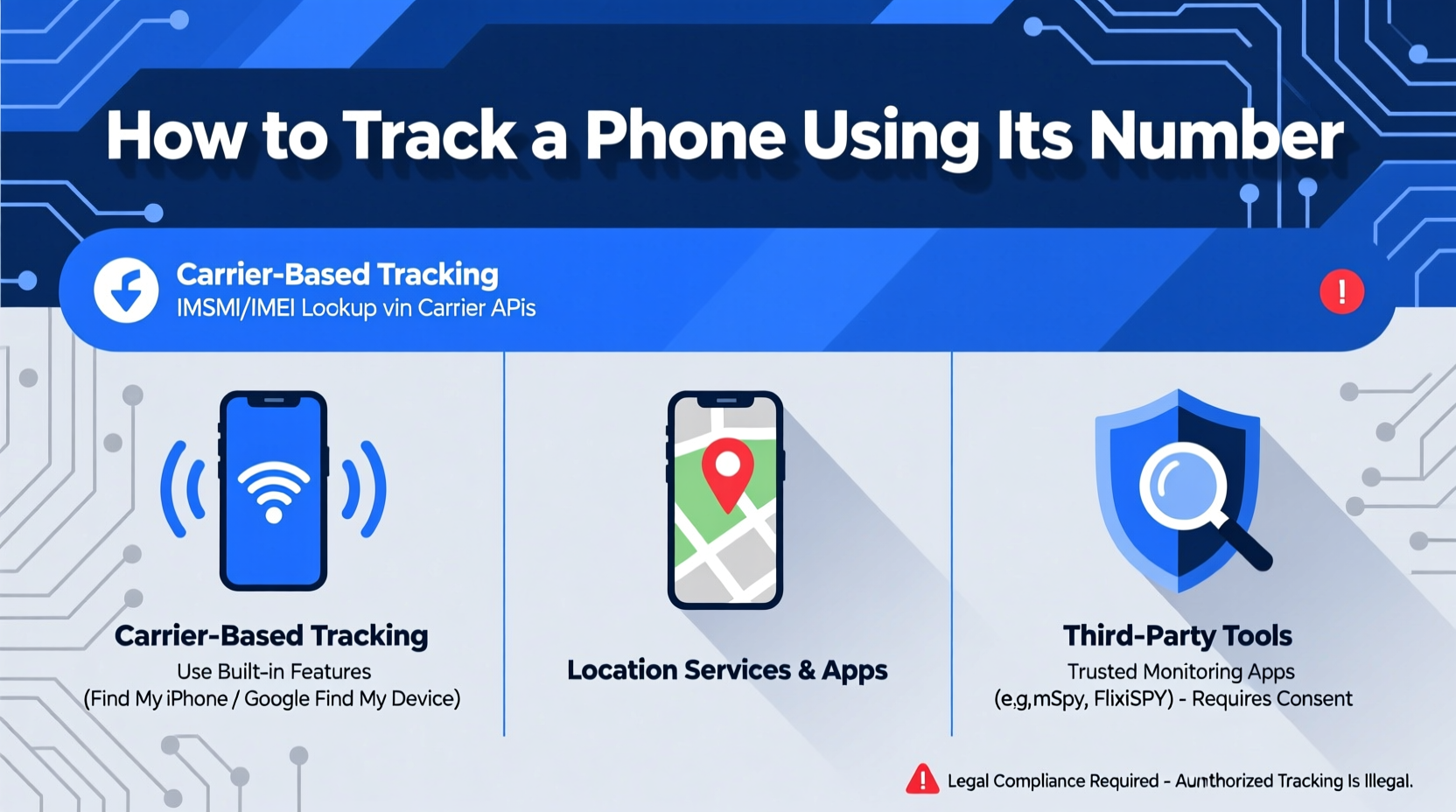
Contrary to common belief, you cannot directly track a phone’s real-time location using just its number through public means. Mobile carriers and cellular networks do maintain location data for operational purposes, but this information is protected under strict privacy regulations such as GDPR (Europe) and CCPA (California). Law enforcement agencies can request access with proper authorization, but individuals generally cannot.
However, indirect tracking is possible using a combination of tools, permissions, and pre-installed services. These methods rely on cooperation from the device owner or prior setup of tracking software. Attempting unauthorized access to another person’s device violates federal laws in most countries and may result in criminal charges.
Effective Methods to Track a Phone Using Its Number
While direct GPS pinpointing isn’t feasible with just a number, several practical methods can help locate a device when used correctly:
1. Use Built-in Device Finders (With Prior Setup)
If the target phone runs on iOS or Android, built-in tools like “Find My” (Apple) or “Find My Device” (Google) are the most reliable options—but only if they were enabled beforehand.
- iOS Devices: Visit iCloud.com/find, sign in with the Apple ID linked to the device, and view its last known location.
- Android Devices: Go to google.com/android/find, log in with the Google account associated with the phone, and see its current or last recorded position.
These services require internet connectivity and prior activation. They do not use the phone number as the primary identifier but instead rely on account credentials.
2. Carrier-Based Location Services
Mobile carriers can estimate a phone’s location using cell tower triangulation. However, access is restricted. In emergencies, dialing 911 automatically shares location data with first responders. Some family plans offer location-sharing features (e.g., Verizon Family Base, AT&T Secure Family), allowing parents to monitor children’s devices with consent.
“Carriers hold vast amounts of location data, but consumer access is tightly controlled to prevent misuse.” — David Lin, Telecommunications Security Analyst
3. Third-Party Tracking Apps (With Consent)
Applications like Life360, mSpy, or Glympse allow real-time tracking when installed and configured on the target device. These tools are commonly used by families for safety monitoring.
| App Name | Platform | Key Feature | Requires Installation? |
|---|---|---|---|
| Life360 | iOS & Android | Real-time GPS, driving reports, crash detection | Yes (on target device) |
| mSpy | Android (limited iOS) | GPS tracking, call logs, message monitoring | Yes (physical access needed) |
| Glympse | iOS & Android | Temporary location sharing via link | Yes (user-initiated) |
These apps typically require the phone number during setup but function primarily through app-based GPS and network signals.
4. SIM Card Registration & IMEI Lookup
In some countries, telecom providers require verified identification to activate a SIM card. If a lost or stolen phone is reported, law enforcement can trace the number to the registered user. Additionally, reporting the IMEI (International Mobile Equipment Identity) to your carrier can blacklist the device and assist in recovery.
To find your IMEI: dial *#06# on the phone. Keep this number secure.
Step-by-Step Guide to Locating a Lost Phone
Follow this sequence if you’ve misplaced your own device or need to locate one you’re authorized to track:
- Stay Calm and Act Quickly: Time is crucial—the sooner you act, the higher the chance of recovery.
- Determine the OS: Is it an iPhone or Android? This dictates which tool to use.
- Use Built-in Tracker: Access iCloud or Google Find My Device from another phone or computer.
- Enable Lost Mode: Lock the device remotely and display a contact message.
- Contact Carrier: Report the loss and request suspension of service to prevent misuse.
- File a Police Report: Provide the phone number, IMEI, and purchase receipt. This aids recovery and insurance claims.
Mini Case Study: Recovering a Stolen Smartphone
Mark, a college student in Chicago, had his Android phone stolen after leaving it unattended at a café. He immediately used a friend’s laptop to visit google.com/android/find. The device was offline initially, but two hours later, it connected to Wi-Fi near a bus station. Mark shared the location with campus security, who coordinated with local police. The phone was recovered within 24 hours because Mark had enabled location services and screen lock beforehand.
This case highlights the importance of proactive setup and rapid response. Without enabling “Find My Device,” the outcome might have been different.
What Doesn’t Work (And Why You Should Avoid It)
Many websites claim to offer “free phone tracking by number” using reverse lookup or GPS hacking. These are almost always scams. Common red flags include:
- Requests for payment upfront without proof of service
- Promises of tracking without device access or consent
- Download links that install malware
True GPS tracking requires software on the target device. No legitimate service can bypass encryption and privacy safeguards using only a number.
Frequently Asked Questions
Can I track a phone using only the number for free?
No reliable free method exists. While reverse phone lookup services (like Truecaller) may show approximate location based on caller ID databases, this data is outdated and inaccurate for real-time tracking.
Is it legal to track someone’s phone without them knowing?
No. In most jurisdictions, covert tracking of an adult’s device without consent is illegal. Exceptions exist for parents monitoring minors or employers tracking company-owned devices (with disclosure).
What should I do if my phone is stolen?
Immediately use built-in find tools, contact your carrier, file a police report, and change passwords for sensitive accounts (email, banking, social media).
Checklist: Preparing Your Phone for Emergency Tracking
- ✅ Enable “Find My iPhone” or “Find My Device”
- ✅ Turn on Location Services and Share My Location (if applicable)
- ✅ Set a strong passcode or biometric lock
- ✅ Record your IMEI number and store it securely
- ✅ Install a trusted tracking app if monitoring minors
- ✅ Regularly back up your data to the cloud
Conclusion: Responsible Tracking Starts With Preparation
Tracking a phone using its number isn’t as simple as pop culture suggests, but effective solutions exist when used ethically and legally. Success depends on preparation—setting up tracking tools in advance, understanding your device’s capabilities, and acting swiftly in emergencies. Technology empowers safety, but only when paired with responsibility and respect for privacy.




 浙公网安备
33010002000092号
浙公网安备
33010002000092号 浙B2-20120091-4
Comments
No comments yet. Why don't you start the discussion?