
Rescue dogs often come with unseen emotional baggage. Among the most common and challenging issues is noise sensitivity—especially fear of thunderstorms, fireworks, or sudden loud sounds. These fears can manifest as trembling, hiding, panting, barking, or even destructive behavior. While deeply rooted in past trauma or lack of early socialization, noise phobias are not permanent. With consistent training, environmental management, and compassionate support, many rescue dogs can learn to feel safe and respond calmly during loud events.
The key lies in combining behavioral conditioning with immediate calming strategies. This approach doesn’t just mask symptoms—it rewires the dog’s emotional response over time. Whether your dog cowers at the sound of a door slamming or panics during a storm, the following guide offers actionable, humane techniques backed by animal behavior science.
Understanding Noise Fear in Rescue Dogs
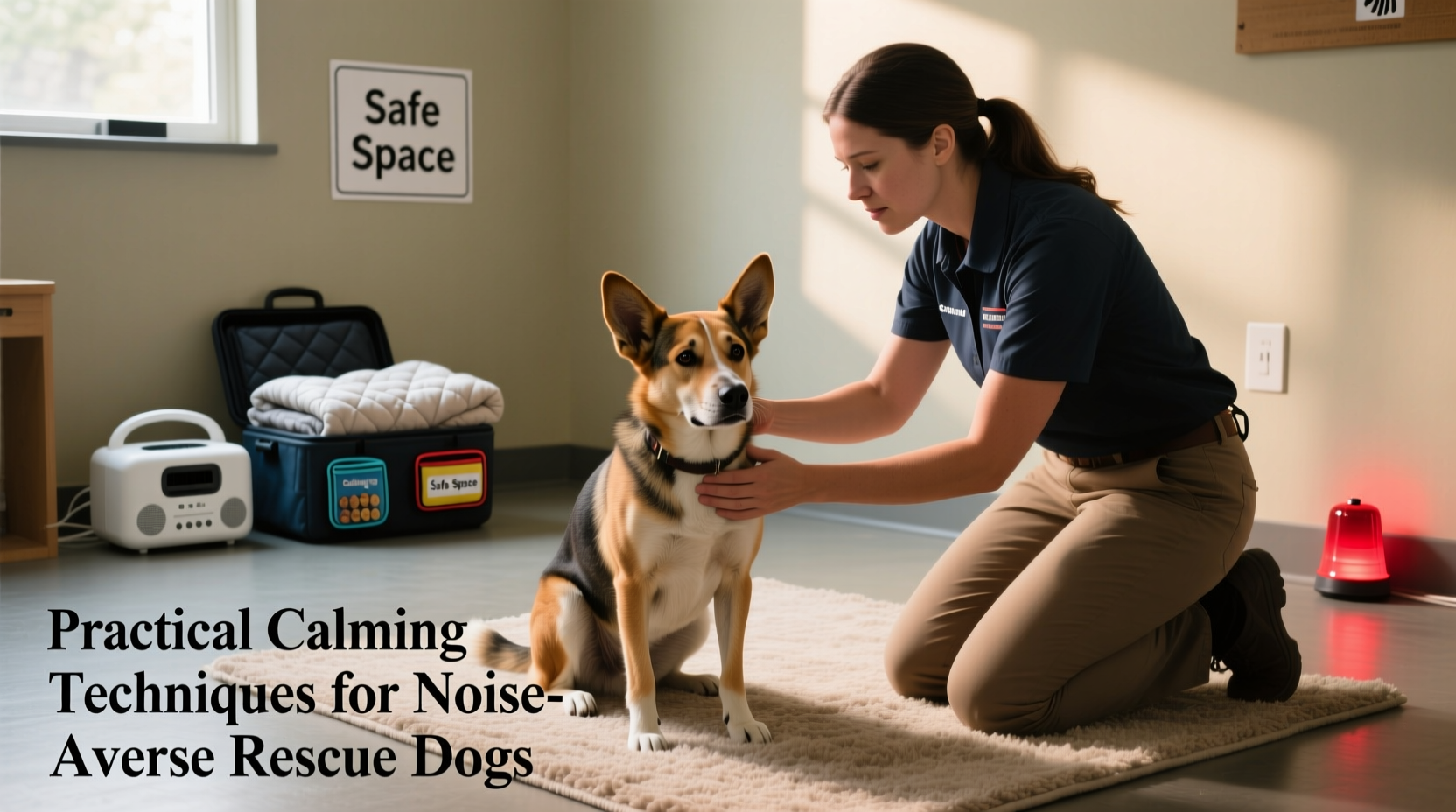
Fear of loud noises isn’t just “being jumpy.” It’s a physiological stress response triggered by an overactive amygdala—the brain’s threat detection center. In rescue dogs, this system may have been conditioned through neglect, abuse, or insufficient exposure during critical developmental windows (typically between 3 and 14 weeks of age).
Common triggers include:
- Thunderstorms
- Fireworks
- Gunshots or construction noise
- Sirens or alarms
- Honking or loud vehicles
Dogs don’t rationalize these sounds. To them, a sudden boom feels like imminent danger. Their instinct is to flee, freeze, or fight. Without intervention, this fear can worsen due to sensitization—each repeated exposure without comfort reinforces the panic.
“Dogs with noise aversion aren’t being ‘dramatic’—they’re experiencing genuine terror. Our job is to help them reframe safety, not suppress emotion.” — Dr. Karen Overall, Veterinary Behaviorist
Step-by-Step Desensitization and Counterconditioning Plan
The gold standard for treating noise fear is a combination of desensitization (gradual exposure) and counterconditioning (changing emotional response). Done correctly, this process teaches the dog that loud sounds predict good things—not danger.
Phase 1: Identify the Trigger and Baseline Reaction
- Record specific noises that cause fear (e.g., thunder, fireworks).
- Note physical signs: shaking, drooling, pacing, or attempts to escape.
- Determine the threshold—the volume or distance at which the dog notices but doesn’t panic.
Phase 2: Use Controlled Audio Recordings
Obtain high-quality recordings of the feared noise (available on apps or YouTube). Start playback at a volume so low it’s barely audible.
- Play once daily for 5–10 minutes.
- Pair each session with high-value treats (e.g., boiled chicken, cheese) or playtime.
- Stop immediately if the dog shows anxiety—this means the volume is too high.
Phase 3: Gradual Volume Increase
Over days or weeks, increase volume in tiny increments only when the dog remains relaxed and engaged with rewards.
| Week | Volume Level | Dog’s Expected Response | Action |
|---|---|---|---|
| 1 | Very low (background hum) | Ignores or mildly curious | Reward calmness |
| 2–3 | Low (like distant rumble) | Ears perk, no tension | Continue pairing with treats |
| 4–6 | Moderate (clear but not startling) | Looks at speaker, eats treats | Increase duration to 15 min |
| 7+ | Near real-life level | Remains relaxed, tail wagging | Add distractions (toys, games) |
If regression occurs, drop back to the last non-stressful level. Progress isn’t linear—some dogs take months.
Immediate Calming Techniques During Noise Events
While long-term training unfolds, you need tools to manage acute episodes. The goal is to reduce sensory input and provide a sense of control.
Create a Safe Den Space
Dogs instinctively seek enclosed spaces when afraid. Design a quiet, windowless area such as a closet, bathroom, or under a covered table.
- Line with soft bedding and familiar-smelling items (your worn shirt).
- Add a crate with a blanket draped over three sides.
- Place heavy blankets against walls to dampen sound.
Use Sound-Masking Tools
White noise, fans, or calming music can buffer external sounds. Classical or specially designed dog playlists (e.g., Through a Dog’s Ear) lower heart rate.
Try Pressure-Based Calming Aids
Deep pressure mimics the soothing effect of being held. Options include:
- Thundershirt: A snug-fitting wrap that applies gentle, constant pressure.
- Licking mats: Spread peanut butter on a mat to encourage focused licking, which reduces cortisol.
- Weighted blankets: Only use under supervision and ensure the dog can move freely.
Stay Calm—But Don’t Over-Comfort
Your energy matters. Panic escalates their fear; excessive petting can reinforce anxious behavior.
Instead:
- Breathe slowly and speak in low, steady tones.
- Offer a treat-filled puzzle toy to redirect focus.
- Avoid eye contact if your dog is hyper-vigilant—this reduces pressure.
Real-Life Example: Helping Luna Through Fireworks Season
Luna, a 3-year-old Border Collie mix, was rescued from a rural shelter where she lived near a shooting range. She would bolt and hide under the bed every time a car backfired or fireworks went off.
Her adopter, Sarah, started with a fireworks audio track at 5% volume while feeding Luna pieces of roast beef. For two weeks, Luna barely noticed the sound. By week three, Sarah increased volume slightly and introduced a stuffed Kong. When July 4th arrived, Luna still flinched at the first boom—but instead of bolting, she looked at Sarah, then walked to her crate where a Thundershirt and frozen lick mat waited.
She didn’t fully relax, but she didn’t panic. That was progress. Over the next year, with consistent sessions and early warning systems (checking weather and event calendars), Luna now rests in her den with music playing, occasionally glancing up with curiosity rather than fear.
This case illustrates that improvement isn’t about eliminating fear overnight—it’s about building resilience one calm moment at a time.
Essential Do’s and Don’ts When Managing Noise Fear
| Do | Don’t |
|---|---|
| Start training during quiet seasons (avoid peak thunderstorm or holiday periods) | Wait until a storm hits to begin treatment |
| Use high-value treats exclusively during noise sessions | Give treats randomly or outside training context |
| Monitor body language closely (whale eye, lip licking, yawning) | Assume your dog is “fine” because they’re quiet |
| Keep routines predictable—dogs thrive on consistency | Change feeding, walking, or bedtime schedules during stressful times |
| Consult a vet or veterinary behaviorist if fear is severe | Try punishment or dominance-based corrections |
When to Seek Professional Help
Some dogs require more than home training. Signs that professional intervention is needed include:
- Self-injury during panic (chewing paws, breaking nails on doors)
- Refusing food, water, or bathroom breaks for hours
- Aggression when approached during episodes
- No improvement after 8–12 weeks of consistent effort
A certified veterinary behaviorist may recommend adjunct therapies such as:
- Prescription anti-anxiety medications (e.g., fluoxetine, trazodone) for short-term support.
- Pheromone diffusers (Adaptil) that mimic calming maternal scents.
- Customized behavior modification plans based on temperament assessment.
“Medication isn’t failure—it’s scaffolding. It lowers anxiety enough for learning to happen.” — Dr. Sophia Yin, Animal Behavior Specialist
Checklist: Building a Noise-Fear Management Routine
Follow this checklist weekly to stay proactive:
- ✅ Assess your dog’s current reaction to everyday sounds.
- ✅ Set up a soundproofed safe space with bedding and toys.
- ✅ Download noise recordings and test volume levels.
- ✅ Schedule five 5-minute desensitization sessions per week.
- ✅ Stock high-value treats and calming tools (Thundershirt, lick mat).
- ✅ Monitor weather and community event calendars for upcoming noise risks.
- ✅ Track progress in a journal: note reactions, duration, and coping behaviors.
- ✅ Re-evaluate monthly and adjust plan as needed.
Frequently Asked Questions
Can older rescue dogs learn to overcome noise fear?
Yes. Age doesn’t prevent learning. While younger dogs may adapt faster, adult and senior dogs can make significant progress with patience and consistency. The brain retains plasticity throughout life, especially when positive reinforcement is used.
Should I comfort my dog during a panic episode?
Comfort mindfully. Soothing touch or a calm presence is fine, but avoid frantic petting or high-pitched reassurance, which can signal that danger is real. Instead, act bored and relaxed—yawn, sit down, offer a toy. Your demeanor tells the dog the environment is safe.
How long does it take to see results?
Most owners notice subtle improvements within 4–6 weeks. Full desensitization can take 3–12 months depending on severity. Setbacks are normal. Focus on reducing intensity and frequency of reactions, not perfection.
Conclusion: Patience and Persistence Build Trust
Training a rescue dog with noise fear is not a quick fix—it’s an act of deep empathy. Every small victory, like eating a treat during a distant thunderclap or choosing to stay near you instead of fleeing, is a milestone. What your dog needs most isn’t a cure, but a consistent companion who helps them feel secure in an unpredictable world.
By applying structured desensitization, creating safe environments, and managing expectations, you’re not just reducing fear—you’re rebuilding trust. And that trust becomes the foundation for a confident, resilient life together.




 浙公网安备
33010002000092号
浙公网安备
33010002000092号 浙B2-20120091-4
Comments
No comments yet. Why don't you start the discussion?