
Kittens are naturally curious, energetic, and playful—traits that make them endearing but can quickly become frustrating when they start treating your fingers and furniture as chew toys. Biting is a normal part of feline development, especially during the first few months of life, but allowing it to continue unchecked can lead to aggressive habits in adulthood. The key isn’t punishment, but redirection, consistency, and understanding what drives the behavior. With patience and the right techniques, even the most persistent biter can learn appropriate play boundaries.
Understanding Why Kittens Bite
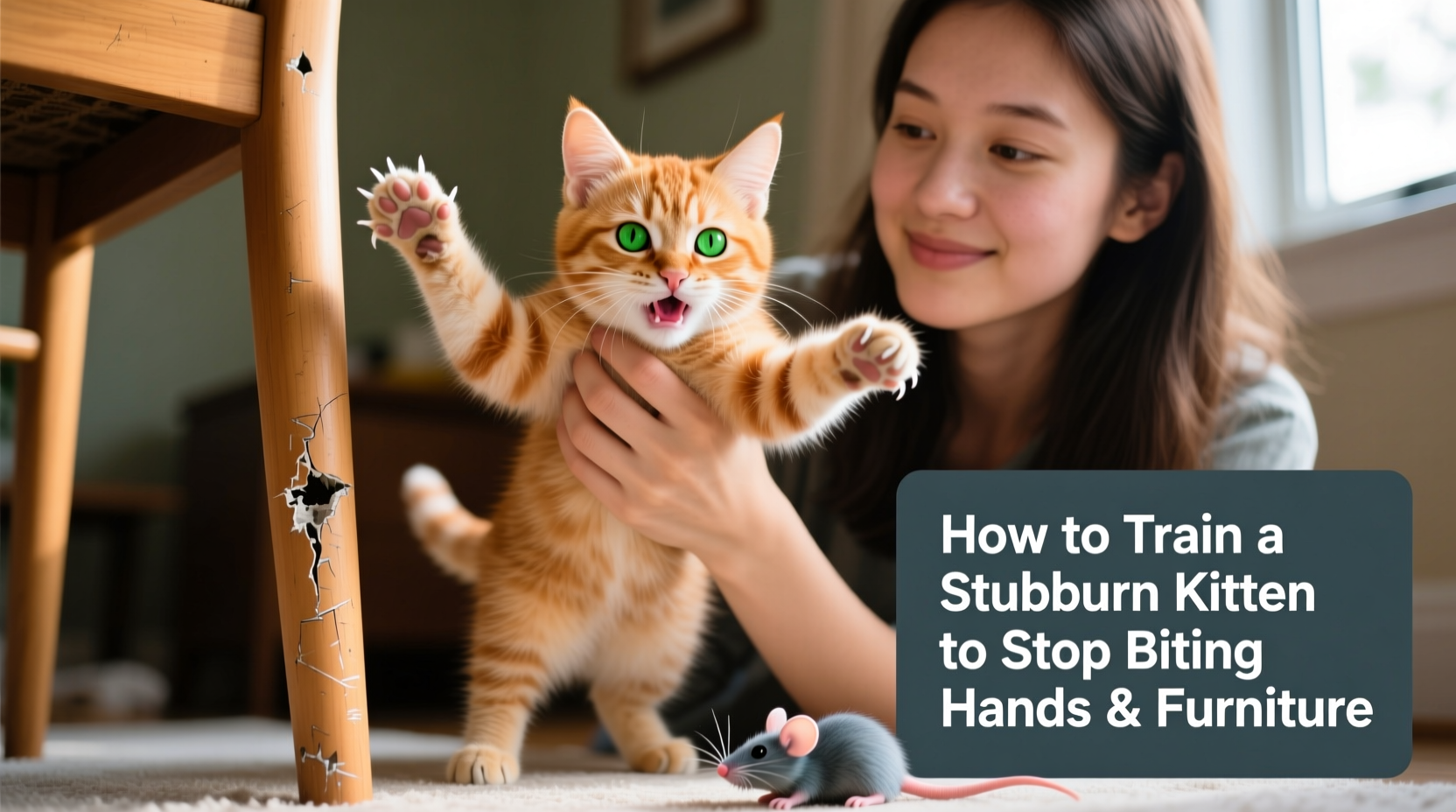
Biting isn’t always a sign of aggression. For kittens, mouthing and nipping are natural behaviors rooted in instinct. In the wild, young cats use their mouths to explore their environment, practice hunting skills, and interact with littermates. When separated from their mother and siblings too early—or without proper socialization—they may not have learned bite inhibition, the ability to control the force of their jaws during play.
Common reasons for biting include:
- Play stimulation: Hands moving quickly resemble prey, triggering chase-and-bite instincts.
- Overstimulation: Petting that continues past a kitten’s tolerance can result in sudden nips.
- Teething discomfort: Between 3–6 months, kittens lose baby teeth, making chewing soothing.
- Lack of alternatives: Without appropriate toys, furniture legs and fingers become default targets.
Recognizing the motivation behind the biting allows you to respond effectively rather than react emotionally.
Step-by-Step Guide to Redirecting Biting Behavior
Changing a kitten’s biting habit requires consistency over several weeks. Follow this timeline to gradually shift their focus from inappropriate targets to acceptable outlets.
- Week 1: Observe and Record Triggers
Spend a few days noting when and where biting occurs. Is it after petting? During solo play? Late at night? Identifying patterns helps tailor your response.
- Week 2: Replace Hands with Toys
When your kitten lunges at your hand, freeze movement immediately. Then, introduce a wand toy or plush mouse to redirect attention. Praise and reward when they engage with the toy instead.
- Week 3: Teach Bite Inhibition
If the kitten bites during interaction, let out a high-pitched “ouch!” similar to a littermate’s yelp, then withdraw attention for 10–20 seconds. This mimics how kittens correct each other.
- Week 4: Reinforce Boundaries Daily
Continue redirecting, praising good behavior, and ending play sessions before overexcitement sets in. Introduce structured play twice daily for 10–15 minutes.
- Ongoing: Maintain Consistency Across All Family Members
Everyone in the household must follow the same rules. Mixed signals confuse kittens and delay progress.
Effective Tools and Alternatives to Biting
The goal isn’t to suppress play, but to channel it appropriately. Providing engaging alternatives reduces the temptation to bite hands or claw furniture.
| Behavior | Inappropriate Target | Recommended Alternative |
|---|---|---|
| Chewing on fingers | Hands during petting or play | Interactive wand toy (e.g., feather teaser) |
| Biting ankles | Moving feet or shoelaces | Motorized toy or crinkle ball |
| Scratching/chewing furniture | Chair legs, curtains, baseboards | Sturdy scratching post + cat-safe chew sticks |
| Aggressive pouncing | Fingers under blankets | Stuffed sock toy or kicker pad |
Rotate toys weekly to maintain novelty. Sisal-wrapped posts, cardboard scratchers, and treat-dispensing puzzles also keep claws and jaws occupied in constructive ways.
“Kittens don’t come pre-programmed with house rules. They learn through repetition and feedback. Your consistent response shapes their understanding of what’s allowed.” — Dr. Lena Torres, Feline Behavior Specialist, American Association of Feline Practitioners
Mini Case Study: Turning Around a Persistent Biter
Maya, a 14-week-old tabby adopted from a shelter, arrived with a habit of ambushing her owner’s hands during work-from-home calls. She’d sink her teeth into fingers whenever they moved near her, drawing blood twice in the first week. Her owners initially responded by yelling and tapping her nose—a method that only increased her anxiety and biting frequency.
After consulting a veterinary behaviorist, they implemented a new strategy:
- Replaced all hand play with scheduled wand toy sessions every morning and evening.
- Used a deterrent spray (bitter apple) on the corners of the sofa she liked to chew.
- Introduced a soft cat tree near her favorite napping spot.
- Responded to bites with a firm “ouch” and immediate removal from the room for 30 seconds.
Within three weeks, Maya stopped targeting hands entirely. By six weeks, she was using her scratching post regularly and chasing her feather toy instead of pouncing on wrists. The turning point was consistency—everyone in the home followed the same protocol without exception.
Common Mistakes That Reinforce Biting
Even well-meaning owners can accidentally encourage unwanted behavior. Avoid these pitfalls:
- Playing rough with hands: Wiggling fingers near a kitten’s face teaches them to attack human limbs.
- Inconsistent responses: Laughing at a nip one day and scolding the next sends mixed messages.
- Punishing after the fact: Cats don’t connect delayed discipline with prior actions, leading to fear-based aggression.
- Neglecting mental stimulation: An understimulated kitten will invent its own entertainment—often involving your furniture.
- Using physical corrections: Hitting, shaking, or holding the mouth shut damages trust and increases defensiveness.
Checklist: How to Train a Stubborn Kitten Not to Bite
Use this actionable checklist to stay on track during the training process:
- ✅ Eliminate hand-play completely—use only toys for interaction.
- ✅ Provide at least two 10-minute structured play sessions per day.
- ✅ Keep interactive toys (wand, balls, kickers) easily accessible.
- ✅ Apply bitter-tasting deterrent sprays to targeted furniture areas.
- ✅ Install scratching posts in high-traffic zones, especially near favorite chew spots.
- ✅ Respond to bites with a sharp “ouch” and brief time-out (10–30 seconds).
- ✅ Reward non-biting play with treats or affection immediately.
- ✅ Rotate toys weekly to prevent boredom.
- ✅ Ensure all household members follow the same rules.
- ✅ Consult a vet if biting seems pain-related or unusually aggressive.
FAQ: Common Questions About Kitten Biting
Is it normal for kittens to bite aggressively?
Yes, within reason. Playful nipping and pouncing are typical up to 6–7 months. However, deep punctures, hissing, or unprovoked attacks warrant evaluation by a veterinarian or behaviorist to rule out pain or neurological issues.
Will my kitten grow out of biting on its own?
Some improvement may occur with age, but kittens rarely “grow out” of problematic biting without guidance. Early training establishes lifelong habits. Unchecked biting often escalates into adult aggression.
Can I use water sprays to stop biting?
While a quick spray might interrupt biting in the moment, it risks creating fear of humans if overused. It’s better to redirect to toys and reinforce positive choices. If used, do so sparingly and never aim directly at the face.
Conclusion: Building a Respectful, Playful Relationship
Training a stubborn kitten to stop biting hands and furniture isn’t about dominance—it’s about communication. Your kitten isn’t being defiant; they’re responding to instinct and environment. By offering clear boundaries, enriching alternatives, and consistent feedback, you teach them how to play safely and respectfully. Progress may be gradual, but each redirected bite is a step toward a harmonious home.
Remember, the habits formed now will shape your cat’s behavior for years. Patience, empathy, and structure go much further than punishment ever could. Start today, stay consistent, and celebrate small victories—like the first time your kitten chases a toy instead of your toes.




 浙公网安备
33010002000092号
浙公网安备
33010002000092号 浙B2-20120091-4
Comments
No comments yet. Why don't you start the discussion?