
Birds are intelligent, social creatures capable of forming deep bonds with their human companions. One of the most important milestones in building that relationship is teaching your bird to step onto your finger on command. However, many owners face resistance—often in the form of biting or avoidance. This behavior isn’t defiance; it’s usually fear, confusion, or a lack of trust. With consistent training rooted in positive reinforcement, nearly any bird can learn to step up calmly and confidently. The key lies in understanding avian psychology, creating a safe environment, and progressing at your bird’s pace.
Understanding Why Birds Bite During Training
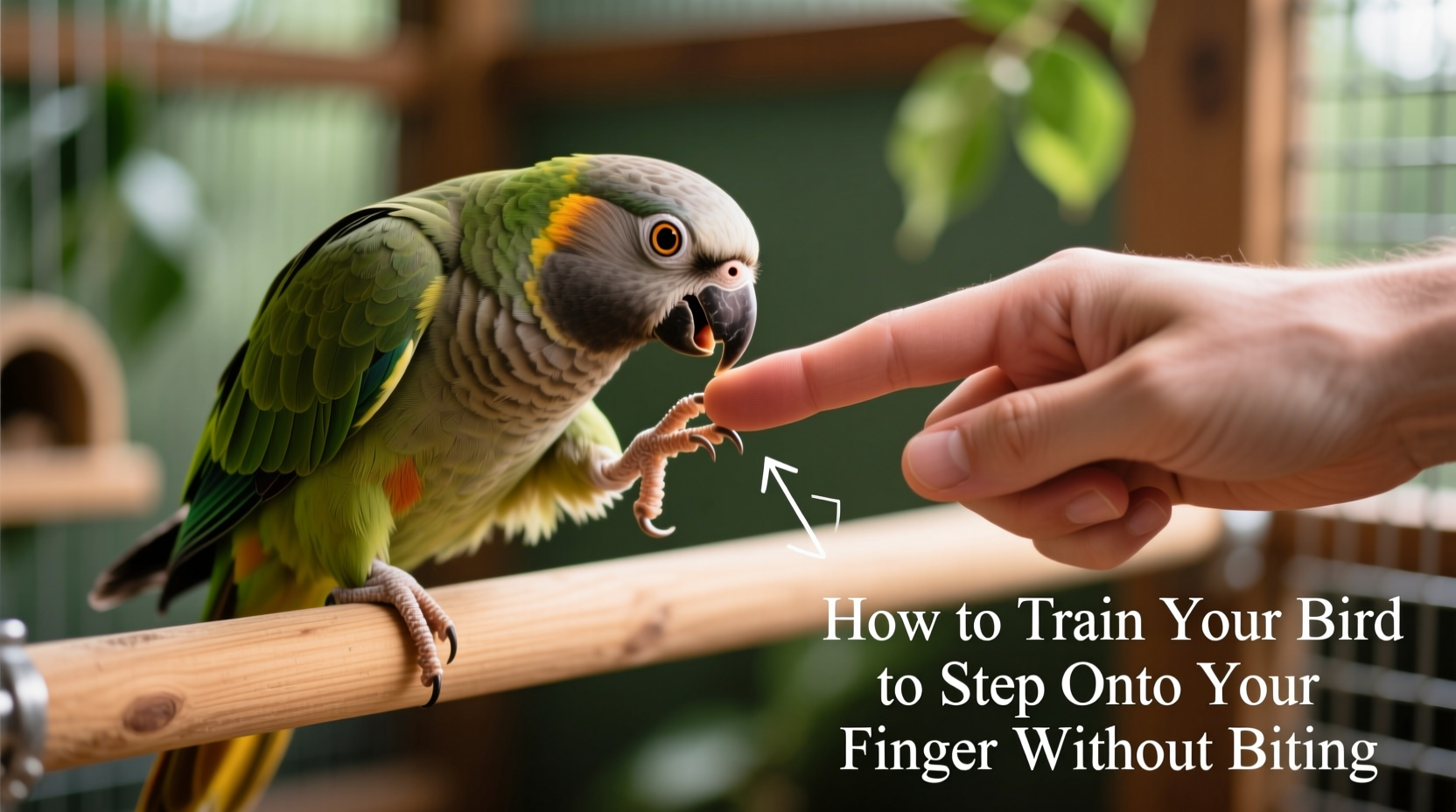
Biting is not an inherent trait of pet birds—it’s a reaction. When a bird bites during handling, it’s typically communicating discomfort, fear, or uncertainty. Unlike mammals, birds don’t naturally see hands as friendly tools. To them, a hand approaching can resemble a predator. Without proper conditioning, stepping onto a finger feels like stepping into danger.
Common triggers for biting include:
- Sudden or fast movements
- Incorrect hand positioning (e.g., reaching from above)
- Forced contact before trust is established
- Lack of clear cues or consistency
- Overstimulation or fatigue during sessions
Recognizing these factors allows you to shift from reacting to biting with frustration to preventing it through thoughtful training design.
The Step-by-Step Process to Teach “Step Up” Safely
Teaching your bird to step onto your finger should be a gradual process built on repetition, rewards, and emotional safety. Rushing leads to setbacks. Follow this timeline-based method for best results:
- Phase 1: Build Trust (Days 1–7)
Spend time near the cage without making demands. Talk softly, offer treats through the bars, and let your bird observe your hand at rest. Goal: Your presence becomes associated with calmness and rewards. - Phase 2: Introduce the Hand (Days 8–14)
Place your hand inside the open cage (if safe) or just outside. Keep it still. Offer a favorite treat when your bird looks at or approaches it. Never reach toward the bird. Goal: Desensitize your bird to the hand as a neutral or positive object. - Phase 3: Touch and Retreat (Days 15–21)
Gently touch the bird’s lower chest or abdomen with one finger—just behind the legs—then immediately withdraw and offer a treat if the bird remains calm. Repeat multiple times per session. Goal: Condition the bird to accept physical contact as a precursor to reward. - Phase 4: Apply Gentle Pressure (Days 22–28)
Use the same touch but apply slight upward pressure while saying “step up.” If the bird lifts a foot, mark the moment with a clicker or verbal cue (“good!”) and reward. Goal: Create an association between pressure, action, and reward. - Phase 5: Full Transfer (Day 29+)
Once the bird consistently lifts a foot, guide it fully onto your finger. Support its weight briefly, praise, then return it to the perch and reward. Gradually increase duration and distance moved. Goal: Solidify the full “step up” behavior.
Each phase may take longer depending on the bird’s species, age, and past experiences. Patience is non-negotiable.
Do’s and Don’ts During Training
Avoid common mistakes that undermine progress. The following table outlines essential guidelines:
| Do | Don't |
|---|---|
| Use high-value treats (e.g., millet, fruit bits, nuts) | Force the bird onto your hand |
| Keep sessions short (5–10 minutes) | Train when the bird is tired or agitated |
| Speak in a calm, consistent tone | Yell or pull away abruptly after a bite |
| End each session positively—even if progress is small | Repeat commands aggressively |
| Wash hands before training to remove food or predator scents | Wear dangling jewelry or strong perfumes |
Consistency across all interactions reinforces learning. Everyone in the household should follow the same cues and methods.
Real Example: Training a Rescued Conure
Maria adopted a 3-year-old green-cheeked conure named Jasper who had been rehomed twice. He was wary of hands and would lunge or bite when approached. She began by sitting near his cage daily, reading aloud and placing sunflower seeds on a spoon extended through the bars. After two weeks, Jasper would hop to the front of the cage when she entered.
She introduced her hand slowly, palm down, fingers together. At first, Jasper flared his tail and backed away. Maria didn’t retreat—she held her hand still until he relaxed, then withdrew and tossed a treat. Over ten days, Jasper began tolerating her hand within six inches of him.
When she applied light pressure behind his legs and said “step up,” he hesitated but lifted one foot. She clicked a small training clicker and gave him a millet spray. Within three weeks, Jasper stepped onto her finger willingly. Today, he flies to her shoulder on command.
Her success wasn’t due to speed—it was because she respected his fear and rewarded courage.
“Birds aren’t stubborn—they’re cautious. The fastest way to earn compliance is to eliminate the need for defense.” — Dr. Laurie Hess, Avian Veterinarian & Behavior Specialist
Essential Tips for Biting Prevention
Even well-trained birds may test boundaries or react defensively under stress. Use these strategies to minimize biting risks:
Never punish a bite. Reacting with anger teaches the bird that humans are unpredictable. Instead, calmly end the session and reflect on what triggered the behavior.
Checklist: Preparing for Successful Training
Before starting, ensure your environment and tools support effective learning:
- ✅ Choose a quiet, distraction-free area
- ✅ Gather high-value treats your bird rarely gets
- ✅ Have a clicker or consistent verbal marker ready
- ✅ Wear neutral-colored, non-threatening clothing
- ✅ Trim your nails to avoid startling the bird
- ✅ Schedule sessions when your bird is active but not hungry or overly excited
- ✅ Keep a training journal to track progress and setbacks
Frequently Asked Questions
How long does it take to train a bird to step up?
It varies widely. Some hand-raised birds learn in a few days. Rescue or wild-caught birds may take several weeks or months. The timeline depends on temperament, prior experience, and consistency of training. Focus on small improvements rather than speed.
My bird bites every time I try to touch him. Should I wear gloves?
No. Gloves can make your movements clumsier and send the message that you expect aggression. They also reduce your tactile sensitivity, increasing the chance of accidental pressure. Work on trust instead. If bites are severe, consult an avian behaviorist.
Can older birds learn to step up?
Yes. Age doesn’t prevent learning, though it may slow it. Older birds often have entrenched habits, but with patience and positive reinforcement, even decade-old parrots can learn new behaviors. Start where the bird is, not where you wish they were.
Conclusion: Building Trust One Step at a Time
Training your bird to step onto your finger without biting isn’t about control—it’s about communication. It’s a dialogue built on mutual respect, clarity, and kindness. Every successful “step up” is a testament to the bond you’ve nurtured. There will be setbacks. There will be days when progress stalls. But each session, no matter how brief, strengthens trust.
Remember, your bird isn’t resisting you—they’re waiting for you to prove the world is safe. When you respond with patience, consistency, and empathy, you don’t just teach a trick. You build a relationship that lasts a lifetime.




 浙公网安备
33010002000092号
浙公网安备
33010002000092号 浙B2-20120091-4
Comments
No comments yet. Why don't you start the discussion?