
Cats scratch for reasons deeply rooted in their biology and instincts. It's not destructive behavior—it's natural communication, exercise, and territory marking all in one. Unfortunately, when that instinct targets your sofa or armchair, the result can be costly and frustrating. Many pet owners consider declawing as a quick fix, but it’s a painful, irreversible procedure with long-term physical and psychological consequences. The good news: you don’t need to go down that path. With patience, consistency, and the right strategies, you can redirect your cat’s scratching behavior humanely and effectively.
Why Cats Scratch—and Why You Shouldn’t Stop Them Entirely
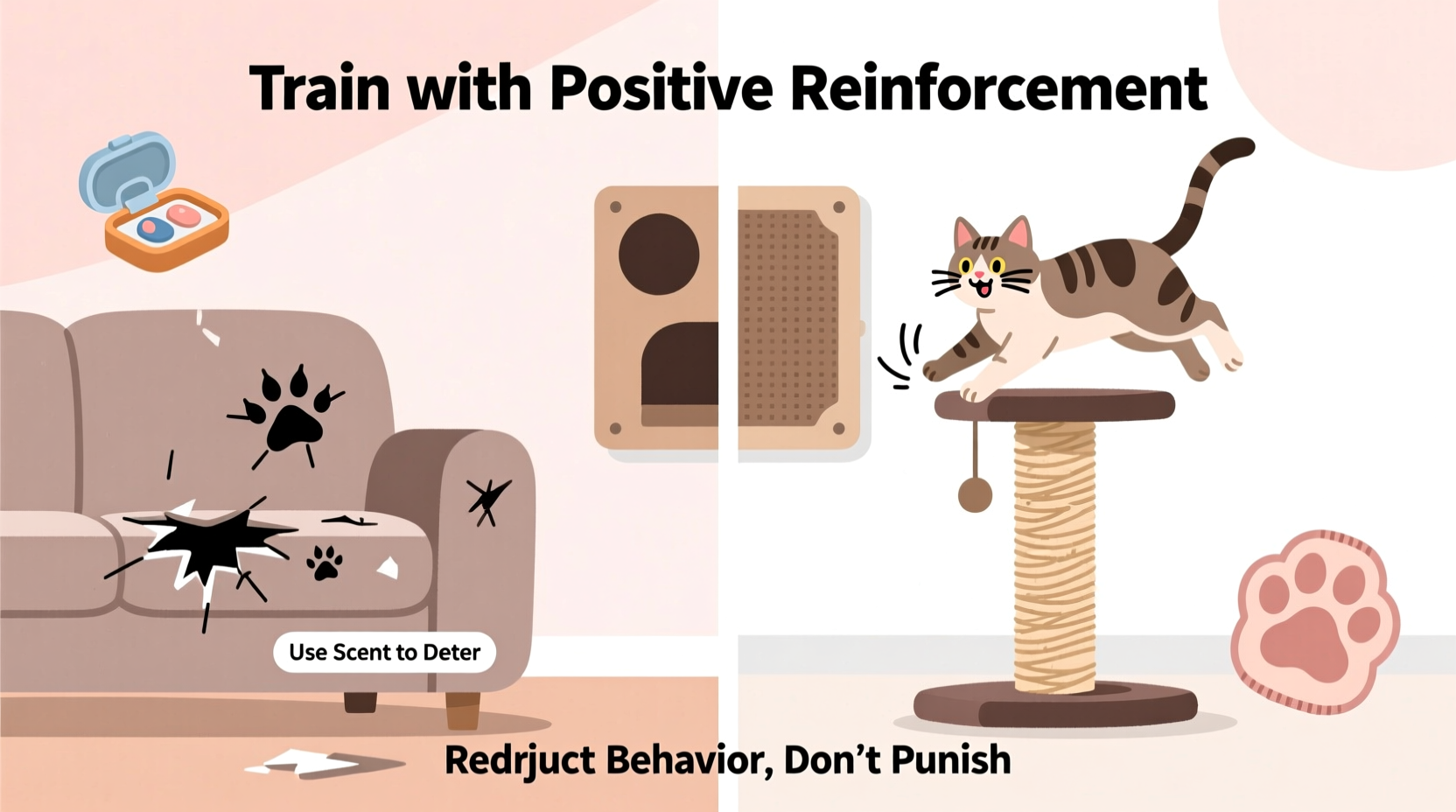
Scratching isn't just about sharpening claws. It serves multiple essential functions for cats:
- Claw maintenance: Scratching sheds the outer layers of the claws, keeping them sharp and healthy.
- Muscle and joint exercise: The stretching motion engages shoulder, back, and leg muscles.
- Scent marking: Cats have scent glands in their paws; scratching leaves both visual and olfactory signals.
- Emotional regulation: It helps relieve stress, mark territory, and express excitement or anxiety.
Attempting to eliminate scratching altogether is neither realistic nor fair to your cat. The goal isn’t suppression—it’s redirection. Your job is to provide better alternatives that meet your cat’s needs more effectively than the furniture ever could.
“Scratching is a normal, necessary behavior. The solution isn’t to stop the cat from scratching—it’s to guide them toward appropriate surfaces.” — Dr. Sarah Ellis, Feline Behavior Scientist, University of Lincoln
Step-by-Step Guide to Redirect Scratching Behavior
Changing your cat’s habits takes time, but with a structured approach, most cats adapt within a few weeks. Follow this timeline for best results:
- Week 1: Assess and Remove Triggers
Identify which pieces of furniture are being targeted and why. Is it near a window? By the bedroom door? Cats often scratch in high-traffic or entry areas to mark their space. Cover these zones temporarily with double-sided tape, aluminum foil, or slipcovers to make them less appealing.
- Week 2: Introduce Suitable Alternatives
Place scratching posts or pads near the furniture your cat favors. Choose options that match their preferred texture—sisal, cardboard, carpet, or wood—and orientation (vertical, horizontal, or angled). Stability is key: if the post wobbles, your cat won’t trust it.
- Week 3: Encourage Use with Positive Reinforcement
Whenever your cat approaches or uses the new scratcher, reward them immediately with treats, praise, or play. Never punish scratching—even if they use the couch. Punishment creates fear and erodes trust, making redirection harder.
- Week 4: Gradually Phase Out Furniture Access
Once your cat consistently uses the scratcher, slowly reduce access to the previously favored furniture. Continue reinforcing correct behavior and monitor for signs of stress or regression.
Choosing the Right Scratching Solutions
Not all scratchers are created equal. The wrong type may be ignored entirely. Consider your cat’s preferences and living environment when selecting options.
| Type | Best For | Lifespan | Tips |
|---|---|---|---|
| Sisal Rope Posts (Vertical) | Cats who stretch upward | 6–12 months | Ensure base is heavy or anchored; place near targeted furniture |
| Cardboard Scratching Pads | Horizontal scratchers or loungers | 2–4 months | Replace when worn thin; inexpensive and replaceable |
| Corrugated Cardboard Inclines | Cats who prefer angled surfaces | 3–6 months | Great for small spaces; often doubles as a bed |
| Wooden or Carpeted Posts | Heavy chewers or large breeds | 1+ years | Avoid plush carpet—can encourage furniture scratching |
Multiple scratchers in different locations increase success. At minimum, have one per floor and near sleeping or lounging areas. Rotate types every few months to maintain novelty and engagement.
Common Mistakes That Undermine Training
Even well-intentioned owners make errors that sabotage progress. Avoid these pitfalls:
- Using punishment: Hissing, spraying water, or yelling only teaches the cat to scratch when you’re not around.
- Placing scratchers in isolated areas: Cats scratch where they spend time—not in forgotten corners.
- Buying flimsy or undersized posts: A cat won’t use a post that tips over or doesn’t allow full extension.
- Expecting immediate results: Habit change takes weeks. Consistency is more important than speed.
- Neglecting nail care: Overgrown nails can make scratching uncomfortable, leading to frustration.
Real-Life Example: Turning Around a Chronic Couch Scratcher
Maria adopted Luna, a two-year-old domestic shorthair, from a shelter. Within days, Luna began shredding the arms of Maria’s favorite sofa. Desperate, Maria considered declawing—until her vet explained the risks and suggested behavioral training instead.
She started by covering the sofa arms with textured plastic guards and placing a tall sisal post right beside it. She rubbed the post with catnip and used a feather toy to lure Luna into swatting and climbing it. Every time Luna used the post—even just touching it—Maria rewarded her with a treat.
Within ten days, Luna was using the post regularly. After three weeks, Maria removed the plastic guards, and Luna never returned to the sofa. Six months later, she has three scratchers in the home and shows no interest in furniture. “It wasn’t about stopping her,” Maria said. “It was about giving her a better option.”
Expert-Approved Alternatives to Declawing
Declawing (onychectomy) involves amputating the last bone of each toe. The American Veterinary Medical Association (AVMA) and numerous animal welfare organizations oppose it unless medically necessary. Fortunately, several humane alternatives exist:
- Soft Paws Nail Caps: Vinyl caps glued over claws last 4–6 weeks and prevent damage while allowing normal scratching motion.
- Regular Nail Trimming: Keeps claw length manageable and reduces snagging on fabrics.
- Environmental Enrichment: Toys, climbing shelves, and puzzle feeders reduce stress-related scratching.
- Feliway Diffusers: Synthetic pheromones can calm anxious cats who over-mark with scratching.
“Declawing is not a grooming procedure—it’s surgery with lifelong implications. Ninety percent of scratching issues can be resolved with proper environmental management.” — Dr. Elizabeth Colleran, Former President of the American Association of Feline Practitioners
Checklist: How to Successfully Train Your Cat
Use this checklist to stay on track during the training process:
- ✅ Identify which furniture is being scratched and when
- ✅ Cover targeted areas with deterrents (tape, foil, slipcovers)
- ✅ Purchase at least one sturdy, appropriately sized scratching post
- ✅ Place the post within 1–3 feet of the damaged furniture
- ✅ Use catnip, toys, or treats to encourage interaction
- ✅ Reward every correct use immediately
- ✅ Trim claws every 2–3 weeks
- ✅ Monitor progress and adjust placement or type if needed
- ✅ Be patient—allow 4–6 weeks for habit change
- ✅ Consult a vet or behaviorist if aggression or anxiety persists
Frequently Asked Questions
Can older cats learn not to scratch furniture?
Yes. While kittens are easier to train, adult and even senior cats can learn new habits with consistent reinforcement. The key is providing appealing alternatives and removing access to forbidden areas during training.
What if my cat ignores all scratching posts?
Try changing the material, height, or location. Some cats prefer horizontal surfaces; others like tall vertical posts. Experiment with cardboard, sisal, or even a natural log. Placing the post near a window or social area often increases use.
Are there sprays that stop cats from scratching?
Yes, but use them carefully. Bitter apple or citrus sprays can deter cats from certain areas, but they should only be used temporarily while redirecting to acceptable surfaces. Never spray directly on the cat.
Conclusion: Compassion Works Better Than Consequences
Training your cat to stop scratching furniture isn’t about control—it’s about cooperation. When you understand your cat’s instincts and meet their needs with thoughtful solutions, destructive behavior fades naturally. Declawing inflicts unnecessary pain and alters how a cat interacts with the world. Humane alternatives are not only kinder—they’re more effective in the long run.
You don’t have to choose between loving your cat and protecting your home. With the right tools, timing, and empathy, you can have both. Start today by placing a sturdy scratcher near the spot your cat loves most. Observe, reward, and remain consistent. Small actions lead to lasting change.




 浙公网安备
33010002000092号
浙公网安备
33010002000092号 浙B2-20120091-4
Comments
No comments yet. Why don't you start the discussion?