
Cats scratch. It’s not a behavior flaw—it’s a natural instinct. Scratching helps cats shed the outer layer of their claws, mark territory through scent glands in their paws, stretch their muscles, and relieve stress. But when that instinct targets your favorite couch, frustration sets in quickly. The good news: you don’t have to choose between a shredded sofa and an unhappy cat. With patience, understanding, and consistent training, you can redirect your cat’s scratching habits humanely and effectively.
The key is not to stop scratching altogether—but to guide it toward appropriate outlets. This article outlines science-backed, compassionate strategies that respect your cat’s needs while protecting your furniture. No sprays, no declawing, no yelling—just practical solutions that work.
Understanding Why Cats Scratch Furniture
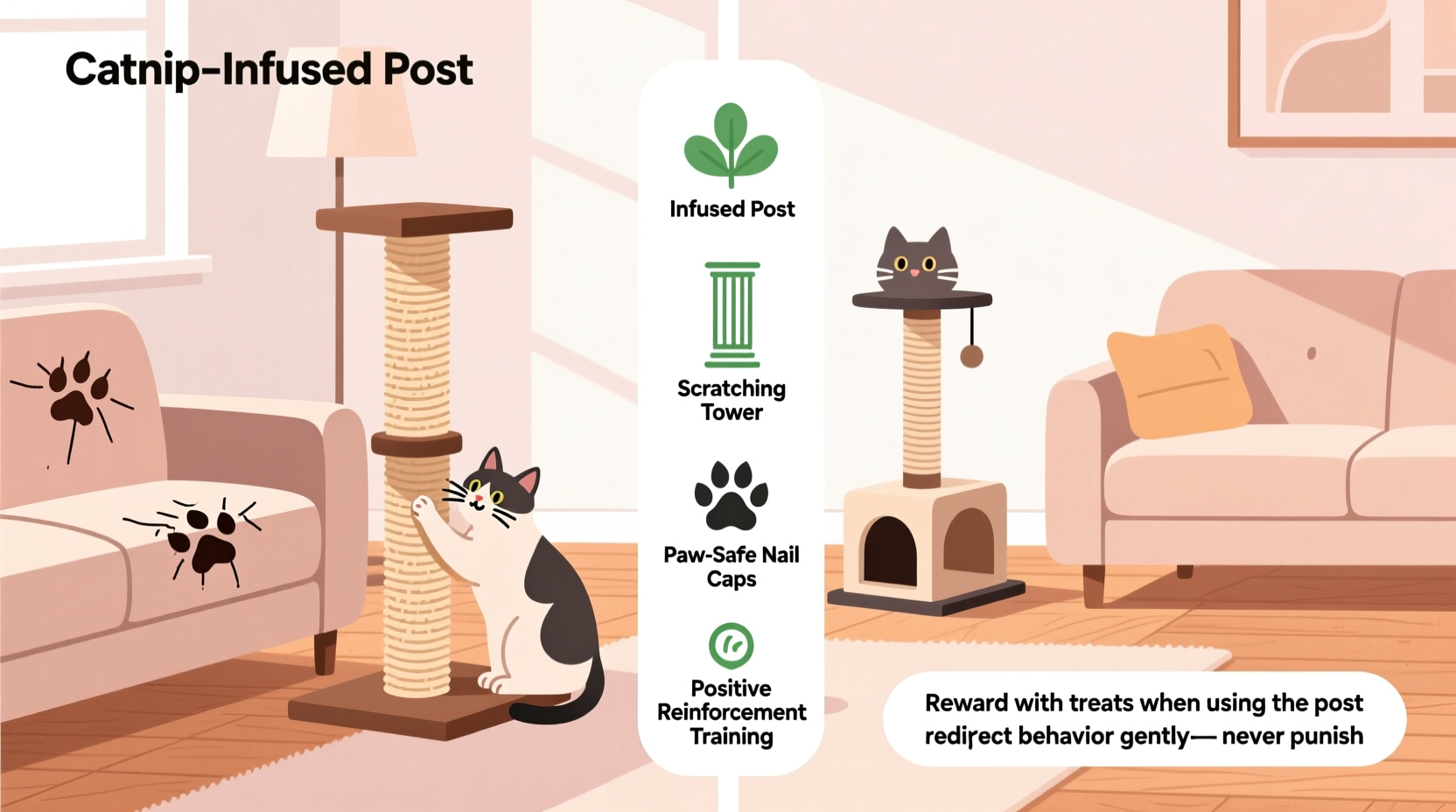
Before addressing how to change the behavior, it's essential to understand why your cat chooses the couch in the first place. Cats aren't trying to ruin your home out of spite; they're responding to biological and environmental cues.
- Texture Preference: Many couches are made from materials like sisal-like weaves, tweed, or loosely woven fabrics that mimic the feel of tree bark—the natural scratching surface for wild felines.
- Location Matters: Cats often scratch near entryways, sleeping areas, or high-traffic zones to mark their territory. If your couch is near the front door or in the living room, it’s prime real estate for scent marking.
- Lack of Alternatives: If a scratching post is flimsy, poorly placed, or unappealing, your cat will opt for the sturdier, more satisfying option—the couch.
- Stress or Anxiety: Changes in routine, new pets, or household tension can increase scratching as a coping mechanism.
“Scratching is a normal, healthy behavior. The goal isn’t suppression—it’s redirection.” — Dr. Sarah Ellis, Feline Behavior Specialist, International Cat Care
Step-by-Step Guide to Redirect Scratching Behavior
Changing where your cat scratches requires consistency, timing, and positive reinforcement. Follow this 6-week timeline to gradually shift your cat’s preference away from the couch and toward designated scratching zones.
- Week 1: Assess & Replace
Identify which areas of the couch are targeted. Is it the armrest? The side? Then, introduce a scratching post or pad that matches the texture and orientation (vertical vs. horizontal) your cat prefers. Place it directly next to the targeted area. - Week 2: Make the Couch Less Appealing
Use temporary deterrents such as double-sided tape, aluminum foil, or plastic couch protectors. These are not punitive—they simply make the surface less inviting without harming your cat. - Week 3: Encourage Use of the Scratcher
Sprinkle catnip on the new post, dangle toys near it, or gently place your cat’s paws on it during play. Reward with treats or praise when they interact with it. - Week 4: Begin Relocation
Once your cat consistently uses the scratcher, slowly move it a few inches per day toward a more permanent location—ideally near a window, doorway, or resting spot. - Week 5: Remove Deterrents Gradually
As your cat reliably uses the new scratcher, start removing tape or foil from small sections of the couch. Monitor closely. If scratching resumes, reapply deterrents and reinforce training. - Week 6: Maintain & Reinforce
Continue rewarding desired behavior. Trim your cat’s claws every 2–3 weeks to reduce damage potential, and replace worn scratchers before they lose appeal.
Choosing the Right Scratching Alternatives
Not all scratching posts are created equal. A wobbly, short cardboard tube won’t compete with a sturdy leather couch. To succeed, your alternative must be more appealing than the furniture.
| Type | Best For | Pros | Cons |
|---|---|---|---|
| Sisal Rope Post (Vertical) | Cats who stretch upward | Durable, mimics tree bark, supports full-body stretch | Can be bulky; cheaper models may tip over |
| Cardboard Scratcher (Horizontal) | Cats who prefer floor-level scratching | Affordable, replaceable, easy to store | Wears out quickly; less effective for tall cats |
| Carpeted Base with Sisal Wrap | Transitional tool | Familiar texture, stable base | Carpets may encourage continued furniture scratching |
| Wall-Mounted Scratching Panels | Space-saving, modern homes | Sturdy, blends with decor, great for marking high zones | Installation required; limited mobility |
Pro tip: Offer multiple scratchers in different locations—near sleeping areas, by windows, and close to social spaces. Variety increases adoption.
Common Mistakes That Undermine Training
Even well-intentioned owners unknowingly sabotage progress. Avoid these pitfalls:
- Using Punishment: Hissing, spraying water, or tapping the nose teaches your cat to fear you—not the behavior. It damages trust and increases anxiety-driven scratching.
- Placing Scratcher in a Corner: While space-efficient, isolated posts are ignored. Cats scratch where they live, not where they’re banished.
- Waiting Until Damage Is Done: Reactive measures are less effective than proactive setup. Introduce scratchers early, especially with kittens.
- Ignoring Claw Maintenance: Long claws catch more easily on fabric, increasing destructive potential. Regular trims reduce both damage and your cat’s urge to scratch excessively.
Real Example: Turning Around a Persistent Scratcher
Maria adopted Luna, a 2-year-old tabby, who immediately began shredding the corner of her linen sofa. Despite using sprays and covering the area with plastic, Luna returned nightly. Frustrated, Maria consulted a certified cat behaviorist.
The turning point came when she observed that Luna scratched after naps and before meals—key transition moments. The expert advised placing a tall sisal post right beside the couch, treating it like a “doorway marker.” Maria rubbed silver vine on the post and played with a feather wand nearby each morning.
Within 10 days, Luna used the post consistently. Over the next month, Maria moved it six feet toward the living room window—a sunlit spot Luna already loved. By week six, the couch was untouched, and Luna had two additional scratchers in her bedroom and hallway.
“I thought I had to stop her,” Maria said. “But really, I just needed to give her a better option—in the right place.”
Humane Deterrents vs. Harmful Methods
Some products claim to stop scratching but rely on fear or discomfort. True humane training avoids anything that causes stress or physical harm.
| Recommended (Humane) | Not Recommended (Harmful/Ineffective) |
|---|---|
| Double-sided tape or Sticky Paws | Essential oil sprays (many are toxic to cats) |
| Aluminum foil on cushions (temporary) | Bitter apple sprays with alcohol bases |
| Scratching pads infused with catnip | Shock mats or vibration devices |
| Soft nail caps (e.g., Soft Paws) | Declawing (amputation of last bone in toes) |
Soft nail caps, when applied correctly, last 4–6 weeks and prevent damage without impairing function. They are a safe bridge while training takes hold.
“Declawing is not a solution—it’s a harmful surgery linked to chronic pain, aggression, and litter box avoidance.” — American Veterinary Medical Association (AVMA)
Checklist: How to Successfully Train Your Cat
Use this actionable checklist to ensure you cover all bases in your training plan:
- ✅ Observe when and where your cat scratches most
- ✅ Purchase a sturdy, appropriately sized scratching post
- ✅ Place the post within 1–2 feet of the targeted furniture
- ✅ Use catnip, toys, or treats to encourage interaction
- ✅ Apply temporary deterrents (tape, foil) on the couch
- ✅ Reward your cat immediately after correct scratching
- ✅ Gradually relocate the scratcher to a preferred long-term spot
- ✅ Trim claws every 2–3 weeks
- ✅ Replace worn scratchers before they lose appeal
- ✅ Be patient—behavior change takes 4–8 weeks
Frequently Asked Questions
Will my cat ever stop scratching the couch completely?
With consistent training, most cats learn to use designated scratchers instead of furniture. Complete cessation isn’t the goal—redirection is. Occasional slips may happen, especially during stress, so ongoing management is key.
Are there sprays that safely deter scratching?
Some pheromone-based sprays (like Feliway) can reduce stress-related scratching, but they don’t block the act itself. Avoid citrus or menthol sprays—many contain compounds toxic to cats. Stick to physical deterrents like tape or foil for surface protection.
What if my cat ignores the scratching post?
If the post is ignored, it’s likely the wrong type or location. Try a different material (sisal, cardboard, carpet), height, or orientation. Place it where your cat spends time—not tucked in a quiet corner. Engagement often increases when the post is part of their daily path.
Conclusion: A Happier Home for You and Your Cat
Training your cat to stop scratching the couch isn’t about dominance or discipline—it’s about empathy and environment. When you meet your cat’s natural needs with thoughtful alternatives, the destructive behavior fades not because they’re forced to comply, but because they choose a better option.
Success doesn’t come overnight. It comes from observing your cat, adjusting your approach, and celebrating small wins. Every swipe of the paw on a proper scratcher is a victory. Protect your furniture not by restricting your cat, but by enriching their world with choices that satisfy their instincts.




 浙公网安备
33010002000092号
浙公网安备
33010002000092号 浙B2-20120091-4
Comments
No comments yet. Why don't you start the discussion?