
Cats scratch for a variety of instinctual reasons—marking territory, stretching muscles, relieving stress, and maintaining claw health. While this behavior is natural, it can become problematic when directed at door frames, walls, or furniture. Instead of resorting to declawing or punishment, which are inhumane and counterproductive, pet owners can guide their cats toward more appropriate outlets through patience, understanding, and consistent training. This guide outlines practical, compassionate strategies to redirect your cat’s scratching habits without compromising their well-being.
Understanding Why Cats Scratch Door Frames
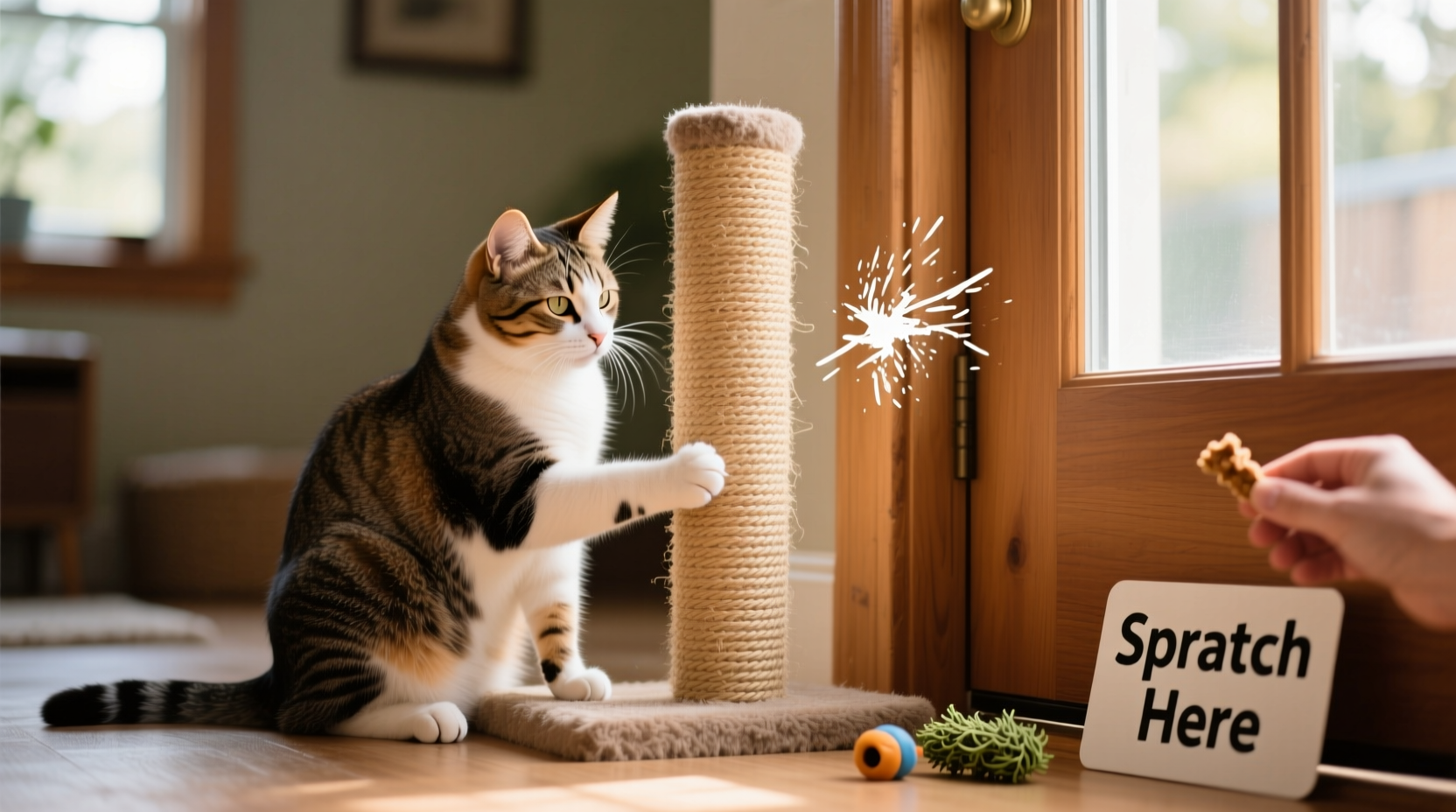
Before addressing the behavior, it's essential to understand what motivates it. Scratching isn't destructive behavior in the feline mind—it's a vital part of their daily routine. Door frames are often targeted because they’re vertical, textured, and located in high-traffic areas where scent marking is most effective.
- Scent marking: Cats have scent glands in their paws that release pheromones when they scratch, signaling ownership and comfort.
- Stretching: A good scratch allows cats to stretch their back, shoulders, and legs after resting.
- Claw maintenance: Scratching helps shed the outer layers of their claws.
- Stress relief: Repetitive scratching can be soothing during times of anxiety or change.
- Location preference: Doorways are transitional zones—cats may scratch there upon entering a room to “check in” with their environment.
Humane Training Methods That Work
Effective training relies on redirection, not suppression. The goal isn’t to stop scratching altogether but to channel it toward acceptable surfaces. The following techniques use positive reinforcement and environmental management—both recommended by animal behaviorists.
1. Provide Appealing Alternatives
Cats prefer certain textures and orientations when scratching. Most favor upright, sturdy posts made of corrugated cardboard, sisal rope, or natural wood. Place these near the door frames your cat targets.
Ensure the scratching post is tall enough for full-body extension and stable enough not to wobble. A flimsy post will discourage use.
2. Use Positive Reinforcement
Catch your cat in the act of using the scratching post and reward immediately. Offer treats, verbal praise, or gentle petting. Over time, this builds a positive association with the correct surface.
Avoid rewarding only after the fact—timing is crucial. If you give a treat minutes later, the connection is lost.
3. Make Door Frames Less Appealing (Temporarily)
While introducing alternatives, make the door frames less inviting without causing distress. Avoid sprays with strong scents like citrus or vinegar if your cat is sensitive—these can create aversion to the entire area.
Better options include:
- Double-sided tape (cats dislike the sticky texture).
- Aluminum foil (unpleasant underfoot).
- Soft plastic panels or removable corner guards.
These are temporary deterrents to buy time while your cat learns where to scratch appropriately.
4. Leverage Scent and Familiarity
Rub the new scratching post with a cloth that has your cat’s scent (e.g., from their cheek or sleeping area). You can also lightly scratch the post yourself to simulate prior use. Cats are more likely to adopt surfaces that already carry familiar or “used” signals.
“Cats don’t need to be ‘broken’ of natural behaviors—they need guidance on where those behaviors are appropriate.” — Dr. Sarah Thompson, Feline Behavior Specialist
Step-by-Step Training Timeline
Changing a habit takes consistency. Follow this 4-week plan to encourage lasting change:
- Week 1: Assess & Prepare
- Observe when and where your cat scratches.
- Purchase or build suitable scratching posts.
- Place posts within 1–2 feet of the targeted door frame.
- Week 2: Introduce & Encourage
- Gently place your cat near the post after naps or meals—prime scratching times.
- Drag a toy across the post to stimulate interest.
- Offer a treat when paws make contact, even briefly.
- Week 3: Reinforce & Deter (Gently)
- Begin applying double-sided tape to door frames.
- Continue rewarding use of the post multiple times daily.
- If caught mid-scratch on the frame, calmly interrupt with a noise (like a hand clap), then guide to the post and reward use.
- Week 4: Fade Deterrents & Monitor Progress
- Remove tape or foil once consistent use of the post is observed.
- Maintain rewards for several more weeks to solidify the habit.
- Rotate scratching surfaces occasionally to keep them appealing.
Essential Tools and Products Checklist
Success depends on having the right tools on hand. Use this checklist to prepare:
- At least one tall, sturdy scratching post per floor of your home
- Corrugated cardboard scratchers (horizontal and inclined options)
- Double-sided sticky tape or adhesive deterrent strips
- High-value treats (small, soft, strongly scented)
- Feliway or similar pheromone diffuser (if stress is a factor)
- Nail caps (soft vinyl covers applied to claws)
- Toys to engage attention and redirect energy
Do’s and Don’ts: A Quick Reference Table
| Do’s | Don’ts |
|---|---|
| Place scratching posts near problem areas | Place posts in isolated, unused corners |
| Use treats and praise to reinforce desired behavior | Yell, spray water, or physically punish your cat |
| Trim claws regularly to reduce damage | Declaw your cat—this is painful and unethical |
| Use pheromone diffusers if anxiety is suspected | Assume scratching is always attention-seeking |
| Replace worn scratchers promptly | Allow the scratching post to become frayed and ignored |
Real-Life Example: Luna’s Door Frame Fix
Sarah adopted a two-year-old rescue cat named Luna who developed a habit of scratching the bedroom door frame every morning at 5 a.m. The sound was jarring, and the wood was beginning to splinter. Concerned about both the damage and Luna’s stress, Sarah consulted a behaviorist.
She placed a 32-inch sisal post right beside the door, rubbed it with a cloth from Luna’s favorite blanket, and attached a feather toy to the top. Each morning, when Luna approached the door, Sarah gently tapped the post and offered a treat when Luna showed interest. Within ten days, Luna began using the post consistently. After three weeks, the door frame was untouched. Sarah also started trimming Luna’s claws every two weeks and installed nail caps for extra protection during the transition.
The key was consistency and empathy—understanding that Luna wasn’t being defiant, but expressing a natural need in the only way she knew how.
When Scratching Signals Deeper Issues
Occasionally, excessive or sudden scratching indicates underlying problems:
- Stress or anxiety: Changes in household dynamics, new pets, or loud noises can increase scratching as a coping mechanism.
- Medical discomfort: Arthritis or skin conditions might make certain surfaces more comfortable to scratch.
- Unmet environmental needs: Cats in understimulating environments may over-groom or over-scratch out of boredom.
If your cat suddenly begins scratching obsessively, consult your veterinarian. A checkup can rule out pain or illness, and a vet behaviorist can help design a tailored intervention plan.
Frequently Asked Questions
Can I completely stop my cat from scratching?
No—and you shouldn’t try. Scratching is a biologically necessary behavior. The goal is to redirect it to appropriate surfaces, not eliminate it entirely. Healthy scratching supports physical and emotional well-being.
How long does it take to train a cat to stop scratching furniture?
Most cats begin showing improvement within 2–3 weeks with consistent training. Full habit change typically takes 4–6 weeks. Rescue cats or those with established routines may require longer, especially if anxiety is involved.
Are nail caps safe for cats?
Yes, when applied correctly. Soft vinyl nail caps (like Soft Paws) are glued over trimmed claws and last 4–6 weeks before falling off naturally. They prevent damage without interfering with scratching motion or muscle use. Always trim claws before application and monitor for irritation.
Final Thoughts and Call to Action
Training your cat to stop scratching door frames humanely isn’t about control—it’s about collaboration. By respecting your cat’s instincts and providing better options, you foster a healthier, more trusting relationship. The methods outlined here rely on empathy, consistency, and environmental support, not force or fear.
Start today: observe your cat’s habits, set up an attractive scratching station, and begin reinforcing good choices. Small steps lead to lasting change. Every cat can learn, and every home can find harmony between feline nature and human living spaces.




 浙公网安备
33010002000092号
浙公网安备
33010002000092号 浙B2-20120091-4
Comments
No comments yet. Why don't you start the discussion?