
A car is more than just a mode of transportation—it’s a reflection of personality, taste, and lifestyle. While many focus on high-end upgrades like sound systems or custom rims, one of the most accessible yet overlooked ways to personalize your vehicle is through the humble keychain. With a little creativity, your everyday keyring can become a meaningful, stylish car decoration that dangles from the ignition or rearview mirror, enhancing both aesthetics and emotional connection to your drive.
Transforming a simple keychain into a functional piece of automotive decor combines craftsmanship, sentimentality, and practicality. Whether it’s a tribute to a loved one, a symbol of personal achievement, or an artistic statement, a well-designed keychain decoration can elevate the driving experience in subtle but powerful ways.
Why Personalize Your Keychain as a Car Decoration?
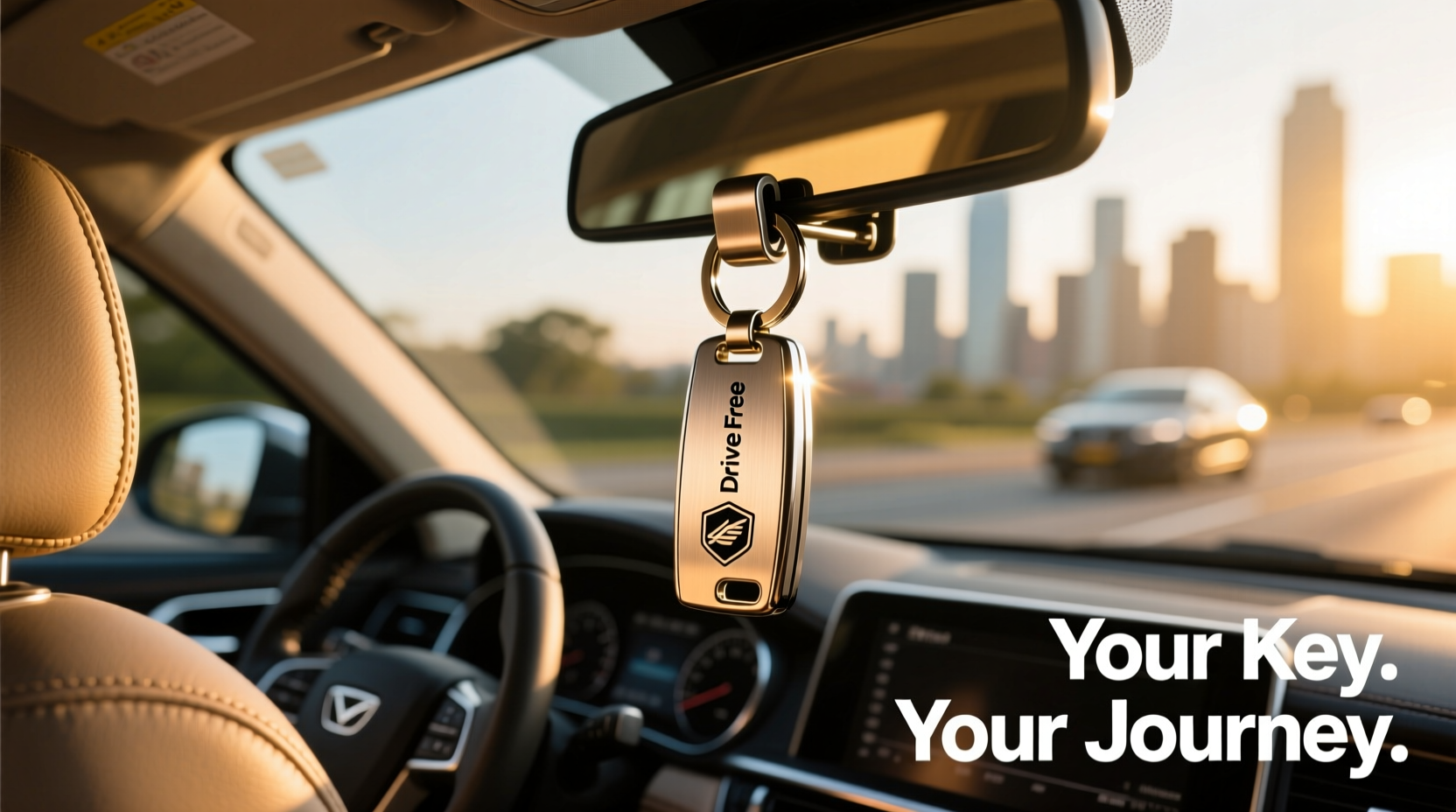
The interior of a car often feels impersonal—factory-installed plastics, standardized layouts, and minimal character. Adding a personalized keychain decoration introduces warmth and identity. Unlike permanent modifications, this approach is reversible, cost-effective, and highly customizable.
Psychologically, small personal items in a vehicle create a sense of ownership and comfort. A 2022 study by the Journal of Consumer Behavior found that drivers who personalized their vehicles reported higher levels of satisfaction and reduced stress during commutes. A keychain decoration, especially one with sentimental value, acts as a tactile anchor—something you touch every time you start the engine, grounding you before the journey begins.
Step-by-Step Guide to Creating Your Custom Keychain Decoration
Turning your keychain into a personalized car accessory doesn’t require advanced tools or skills. Follow this straightforward process to design something unique and meaningful.
- Define the Purpose: Decide whether your decoration will be symbolic (e.g., a lucky charm), commemorative (e.g., graduation year), or purely aesthetic (e.g., minimalist metal art).
- Select a Base Keychain: Opt for durable materials like stainless steel, leather, or thick nylon. Avoid flimsy plastic links that may break over time.
- Choose Decorative Elements: Consider pendants, beads, engraved tags, fabric tassels, or even tiny photo capsules. Ensure all components are securely attachable.
- Assemble with Secure Fasteners: Use split rings, jump rings, or crimp beads to connect pieces. Test stability by gently shaking the assembly.
- Test in the Vehicle: Hang the keychain from the ignition or a rearview mirror hook. Confirm it doesn’t interfere with airbag deployment zones or visibility.
Recommended Materials and Their Benefits
| Material | Pros | Cons |
|---|---|---|
| Stainless Steel | Durable, rust-resistant, modern look | Heavier; may wear ignition over time |
| Leather | Warm texture, ages beautifully | Can dry out in hot climates |
| Silicone | Lightweight, flexible, weatherproof | Limited aesthetic range |
| Wood (sealed) | Natural look, eco-friendly | Vulnerable to moisture if unsealed |
| Resin with embedded items | Customizable, preserves small objects | Bulky if oversized |
Design Ideas That Add Meaning and Style
Personalization goes beyond attaching random trinkets. The most impactful decorations carry intention. Here are several proven concepts:
- Memory Capsule Keychains: Seal a tiny photograph, handwritten note, or keepsake (like sand from a favorite beach) in a waterproof resin pendant.
- Mileage Markers: Attach a rotating dial or engraved tag that tracks significant distances driven—ideal for road trip enthusiasts.
- Family or Pet Silhouettes: Laser-cut metal or wood shapes of loved ones add emotional resonance without clutter.
- Minimalist Geometric Shapes: Clean lines and brushed finishes suit modern interiors and reduce visual noise.
- Cultural or Spiritual Symbols: Hamsa hands, dreamcatchers, or religious icons serve as protective talismans for many drivers.
“Small personal artifacts in a car create continuity between home and transit space. They humanize what could otherwise feel mechanical.” — Dr. Lena Torres, Environmental Psychologist
Mini Case Study: From Office Keyring to Commute Companion
Mark R., a software developer from Portland, transformed his generic metal keychain into a daily motivator. After a stressful year, he began commuting with a 3D-printed tag engraved with “Breathe” in lowercase letters and a small green bead representing mindfulness. He attached it using a soft leather loop to mute jingle noise.
Within weeks, Mark noticed he reached for the keychain unconsciously when stuck in traffic. Over time, the simple act of touching it became a cue to relax. His wife later added a second tag with their dog’s name after adoption, turning it into a shared symbol of calm and joy. What started as a minor tweak evolved into an essential part of his mental wellness routine.
Common Mistakes to Avoid
While customization is encouraged, certain oversights can diminish safety or longevity:
- Overloading with weight: Excessive bulk stresses the ignition switch, potentially leading to costly repairs.
- Using fragile items: Glass, thin ceramics, or paper degrade quickly under sun and vibration.
- Ignoring climate impact: Vinyl stickers or adhesives may melt in hot cars; opt for UV-resistant coatings.
- Poor attachment methods: Knots in string or weak rings can fail, leaving debris inside the car.
Frequently Asked Questions
Can I hang my keychain from the rearview mirror instead of the ignition?
Yes, but ensure it doesn’t block your line of sight. Many jurisdictions have laws against hanging objects that impair visibility. Check local regulations—some states prohibit any dangling items.
How do I clean and maintain my decorative keychain?
Wipe metal parts with a microfiber cloth monthly. For leather, use a conditioner every 3–4 months. Remove dust from crevices with a soft brush. Avoid submerging multi-material designs in water.
Is it safe to include electronics like USB drives or trackers?
Only if securely encased. Devices like Tile or AirTag can be embedded in silicone sleeves and clipped discreetly. Avoid loose wires or exposed ports that could short-circuit near moisture.
Checklist: Create Your Personalized Car Keychain in 7 Steps
- Identify the emotional or functional goal of your decoration
- Select a sturdy base keychain (metal or leather preferred)
- Gather up to three meaningful decorative elements
- Ensure all attachments are secure and non-rattling
- Limit total length to under 10 inches for safety
- Test fit in the car during day and night driving
- Review every 3 months for wear, detachment, or damage
Conclusion: Make Every Turn Meaningful
Your keychain doesn’t have to be just a tool for holding keys—it can be a signature detail that transforms your car into a more personal, intentional space. By thoughtfully designing a decoration that reflects your story, values, or aspirations, you enrich not only the look of your vehicle but also the quality of your daily drives.




 浙公网安备
33010002000092号
浙公网安备
33010002000092号 浙B2-20120091-4
Comments
No comments yet. Why don't you start the discussion?