
A slow-draining or completely clogged shower is more than just an inconvenience—it can lead to standing water, mold growth, and long-term plumbing issues. Many people reach for harsh chemical drain cleaners, but these often damage pipes, harm septic systems, and release toxic fumes. Fortunately, you don’t need dangerous substances to restore proper drainage. Natural methods are not only safer for your home and the environment, but they’re also surprisingly effective when applied correctly.
From time-tested household ingredients to simple mechanical tools, there are multiple ways to clear a blockage without introducing harmful compounds into your plumbing. Whether the clog is caused by hair, soap scum, or minor debris buildup, this guide walks through proven, non-toxic techniques that work—no special equipment required in most cases.
Understanding What Causes Shower Drain Clogs
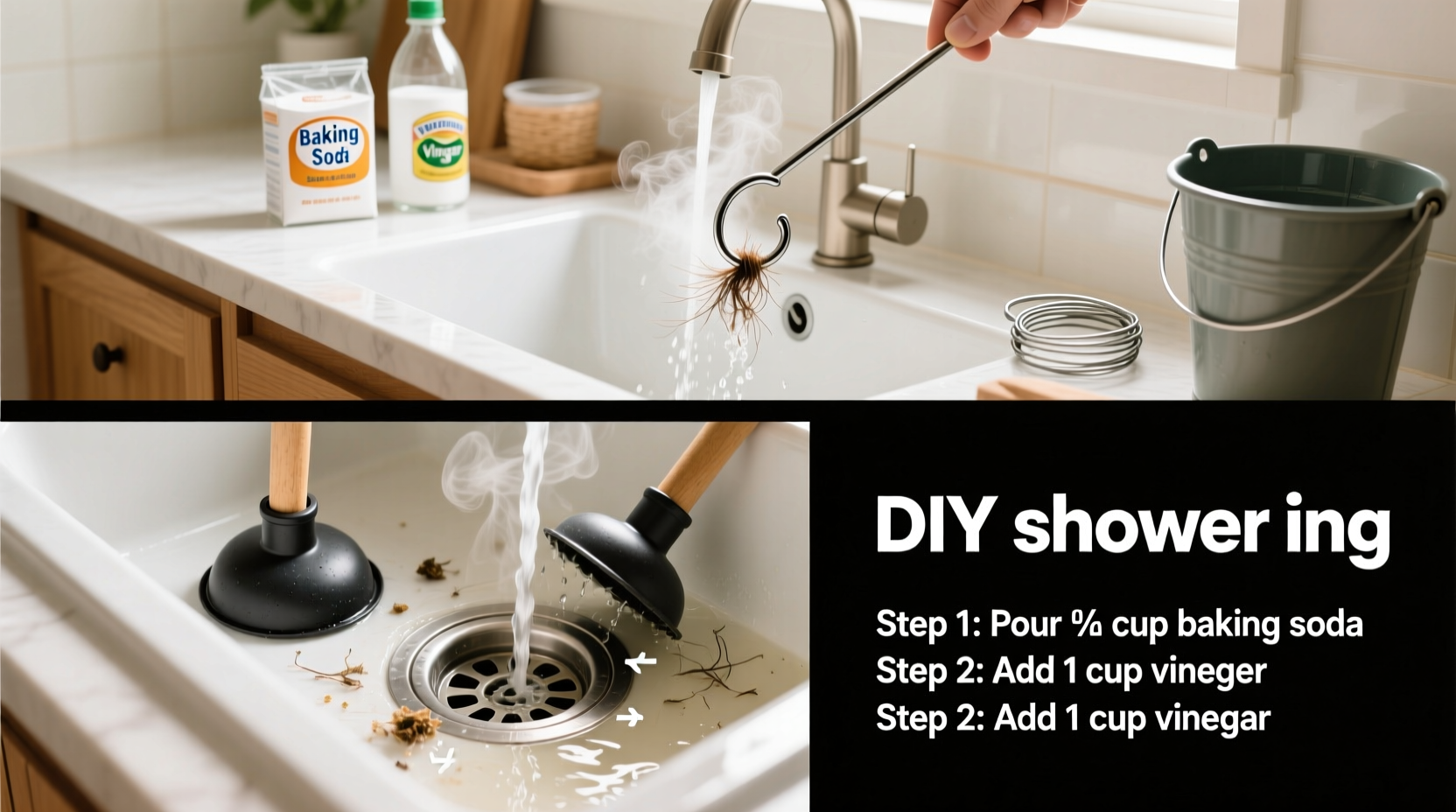
Before attempting any remedy, it helps to understand what’s likely causing the blockage. In showers, the majority of clogs stem from two primary sources: hair and soap residue. Hair easily tangles around drain strainers and pipe bends, forming a net-like structure that traps other particles. Over time, soap scum—a waxy film created when soap interacts with hard water minerals—accumulates on pipe walls and adheres to trapped hair, creating a stubborn mass.
Other contributing factors include:
- Sediment buildup: Minerals in hard water can deposit inside pipes over time.
- Foreign objects: Small items like jewelry, bottle caps, or cotton pads may accidentally slip down the drain.
- Poor slope or venting: Structural plumbing issues are less common but can mimic clogging symptoms.
Natural unclogging methods work best on organic materials like hair and soap scum. If the obstruction is due to a foreign object or structural issue, mechanical intervention or professional help may be necessary. But in most everyday cases, a few common household items can resolve the problem safely and effectively.
Step-by-Step Guide: Clearing a Clog Using Baking Soda and Vinegar
The combination of baking soda (sodium bicarbonate) and white vinegar (acetic acid) creates a powerful foaming reaction that helps break apart organic matter in drains. This method is widely recommended by plumbers for routine maintenance and mild to moderate clogs.
- Remove visible debris: Use gloves or tweezers to pull out any hair or gunk caught in the drain cover. Even removing surface material can significantly improve flow.
- Pour boiling water first: Start by flushing the drain with a full kettle of boiling water. This softens grease and soap buildup, making it easier for the next steps to penetrate deeper.
- Add ½ cup of baking soda: Slowly pour baking soda directly into the drain. Let it settle for a minute so it can begin absorbing moisture and odors.
- Follow with 1 cup of white vinegar: Immediately after adding the baking soda, pour in the vinegar. The mixture will fizz and bubble, indicating the chemical reaction is underway.
- Cover the drain: Place a plug or wet cloth over the opening to contain the pressure and force the solution downward into the clog.
- Wait 30 minutes to one hour: Allow the reaction to fully take place. For tougher clogs, leaving it overnight increases effectiveness.
- Flush with hot water: After waiting, rinse the drain thoroughly with another pot of hot (not boiling) water to wash away loosened debris.
This process works particularly well when performed regularly as part of monthly drain maintenance. It prevents buildup before it becomes problematic.
Using a Plunger Effectively Without Chemicals
Many people assume plungers only work on toilets, but a standard cup plunger can be highly effective on shower drains if used properly. The key is creating a tight seal and applying rhythmic pressure to dislodge the clog.
To maximize results:
- Fill the shower base with enough water to cover the plunger cup. About 2–3 inches is ideal. Water acts as a sealant and transmits pressure efficiently.
- Ensure the drain cover is removed. A strainer or grate can prevent proper suction.
- Position the plunger directly over the drain opening. Press down firmly to expel air and create a vacuum seal.
- Push and pull vigorously for 20–30 seconds. Use short, controlled strokes—don’t lift the plunger off the surface during motion.
- Lift suddenly at the end. This “pop” action can help pull debris loose.
- Repeat 3–5 times if needed. Check progress by running water between attempts.
If the clog is deep or tightly packed, multiple rounds may be required. Combining plunging with the baking soda-vinegar treatment can enhance results—one softens the blockage, the other provides mechanical force.
“Regular plunging after a natural cleaning treatment keeps drains functioning smoothly. It’s a physical boost that pushes residual debris through the line.” — Daniel Ruiz, Master Plumber & Sustainable Home Systems Consultant
Manual Removal with a Zip-It Tool or Wire Hanger
When hair is the main culprit, physically extracting it is often the fastest solution. Tools like the Zip-It—a long, flexible plastic rod with barbed fins—are designed specifically for this purpose. Alternatively, a straightened wire coat hanger with a small hook bent at the end works nearly as well.
Steps to manually remove hair from a shower drain:
- Remove the drain cover. Most pop-off models twist off or pry up easily with a flathead screwdriver.
- Insert the tool slowly into the drain opening. Push it down until you feel resistance—this is likely the clog.
- Rotate and wiggle the tool gently. This helps catch hair strands on the barbs or hook.
- Pull upward carefully. Expect some resistance; you may retrieve a tangled mass of hair and soap scum.
- Repeat until no more debris comes out. Multiple passes may be needed for thick accumulations.
- Flush with hot water afterward. This clears any remaining particles and confirms improved flow.
This method offers immediate feedback—you can literally see what’s been removed—and is especially useful in households with long-haired individuals.
| Method | Best For | Effectiveness | Time Required |
|---|---|---|---|
| Baking Soda + Vinegar | Soap scum, mild buildup | ★★★★☆ | 30 min – 1 hour |
| Plunger | Deep blockages, partial clogs | ★★★★☆ | 5–10 minutes |
| Zip-It Tool | Hair-heavy clogs | ★★★★★ | 10–15 minutes |
| Boiling Water Only | Fresh grease or soap film | ★★☆☆☆ | 5 minutes |
| Wet/Dry Vacuum | Stubborn clogs, complete backups | ★★★★☆ | 10–20 minutes |
Alternative Natural Techniques Worth Trying
Beyond the classic baking soda-vinegar combo, several lesser-known natural approaches can assist in clearing or preventing clogs.
Wet/Dry Vacuum Method
If you own a wet/dry vacuum, set it to suction mode and seal the nozzle over the drain with a damp cloth or rubber adapter. Turn it on for 30–60 seconds. The powerful suction can pull out deeply lodged debris. Ensure the vacuum is rated for liquids and use caution to avoid splashing.
Salt and Baking Soda Pre-Treatment
Mix ¼ cup of salt with ¼ cup of baking soda and pour it down the drain. Let it sit for several hours or overnight, then flush with boiling water. Salt acts as a mild abrasive and helps cut through grime when combined with heat.
Enzyme-Based Cleaners (Natural Option)
While not a DIY ingredient, enzyme-based drain cleaners use naturally occurring bacteria to digest organic waste. They’re non-corrosive and safe for pipes and septic tanks. Unlike chemical cleaners, they require time (overnight or longer) but provide gradual, thorough cleaning without environmental harm.
Mini Case Study: Resolving a Chronic Clog in a Family Bathroom
The Thompson family of four had struggled with a persistently slow shower drain for months. Two teenage daughters meant constant hair shedding, and despite weekly boiling water flushes, the drain would back up every few weeks. Store-bought chemical cleaners provided temporary relief but seemed to worsen the smell over time.
They decided to try a comprehensive natural approach:
- First, they removed the drain cover and used a Zip-It tool, pulling out a dense clump of hair weighing nearly an ounce.
- Next, they ran boiling water down the drain.
- They followed with the baking soda-vinegar treatment, letting it sit overnight.
- The next morning, they plunged the drain vigorously for one minute.
- Finally, they installed a fine-mesh drain screen to catch future debris.
After this single session, water drained freely. They repeated the baking soda-vinegar treatment monthly and cleaned the mesh screen weekly. Ten months later, no further clogs have occurred.
Checklist: How to Unclog a Shower Drain Naturally
Use this actionable checklist to guide your unclogging efforts:
- ☐ Remove the drain cover and clear visible debris by hand
- ☐ Flush with boiling water to soften buildup
- ☐ Pour ½ cup baking soda followed by 1 cup vinegar
- ☐ Cover the drain and wait 30+ minutes
- ☐ Plunge the drain with a cup plunger using steady strokes
- ☐ Use a Zip-It tool or wire hanger to extract trapped hair
- ☐ Repeat steps as needed until water flows freely
- ☐ Install a drain strainer to prevent future clogs
- ☐ Perform preventive maintenance monthly
Frequently Asked Questions
Can I use apple cider vinegar instead of white vinegar?
While apple cider vinegar is acidic, it’s less potent than distilled white vinegar and may leave behind color or residue. For best results, stick with clear, 5% acidity white vinegar to avoid staining or incomplete reactions.
Is it safe to use baking soda and vinegar on PVC pipes?
Yes. Unlike chemical drain cleaners, the baking soda and vinegar reaction does not generate excessive heat or corrosive byproducts that can degrade PVC. The mild nature of this method makes it ideal for modern plumbing systems.
Why shouldn’t I use chemical drain cleaners regularly?
Chemical cleaners contain strong alkalis or acids that erode pipe linings over time, especially in older metal or glued PVC systems. They also pose health risks when inhaled and can react dangerously with other products. Environmentally, they pollute wastewater streams. Natural methods offer a safer, sustainable alternative.
Conclusion: Take Control of Your Drain Health Naturally
Dealing with a clogged shower doesn’t require hazardous chemicals or expensive service calls. With basic household items and a little effort, you can maintain clear, functional drains using safe, eco-friendly techniques. The key is consistency—addressing small issues before they become major problems.
By understanding the root causes of clogs and applying targeted natural solutions, you protect your plumbing, your health, and the environment. Prevention, through regular maintenance and simple barriers like drain screens, reduces the frequency of interventions. When a blockage does occur, the methods outlined here provide reliable, accessible remedies.




 浙公网安备
33010002000092号
浙公网安备
33010002000092号 浙B2-20120091-4
Comments
No comments yet. Why don't you start the discussion?