
Every day, millions of people log into Facebook to connect with friends, share updates, and browse content. Amid this activity, a persistent question lingers: *Who has viewed my profile?* Despite its popularity, Facebook does not offer a native feature that reveals who has looked at your profile. This gap has fueled countless myths, third-party scams, and confusion about digital privacy. Understanding what’s real, what’s fake, and how to safeguard your personal information is essential in today’s connected world.
The Myth of Profile View Tracking
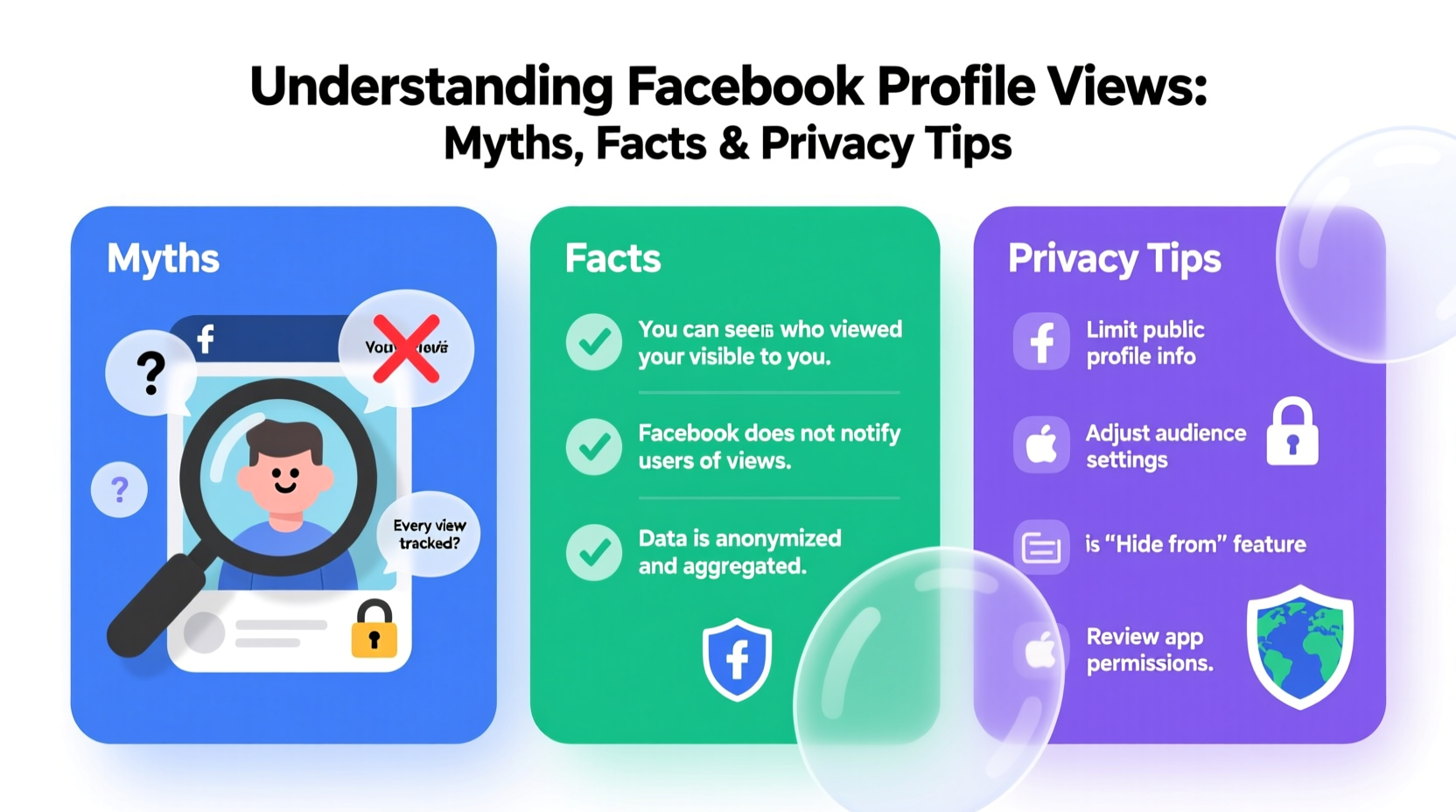
A widespread belief exists that certain tools or hidden features can show you exactly who has visited your Facebook profile. You may have seen posts claiming, “Type this code to see who viewed your profile,” or received messages from apps promising viewer lists. These are almost always false.
Facebook has repeatedly confirmed that it does not provide users with the ability to track profile visitors. In fact, the company actively discourages and blocks third-party apps that claim to offer such functionality. These apps often violate Facebook’s policies by harvesting user data under false pretenses.
The persistence of this myth stems from a natural curiosity about social attention. People want to know if an old friend, crush, or employer has checked them out. However, satisfying that curiosity through unauthorized means compromises both your privacy and security.
What Facebook Actually Tracks (and What It Doesn’t)
While Facebook doesn’t let users see who views their profiles, the platform collects vast amounts of data about user behavior — just not in the way most assume. Here’s a breakdown of what Facebook tracks versus what remains invisible to individual users:
| Tracked by Facebook | Visible to Users? |
|---|---|
| Your ad interactions, page likes, and time spent on posts | No (only aggregated analytics for advertisers) |
| Logins, device types, IP addresses | Limited (security alerts only) |
| Messages opened (if read receipts enabled) | Yes, between chat participants |
| Profile visits | No |
| Content you view in News Feed | No direct access, but used for algorithmic targeting |
As the table shows, while Facebook monitors behavioral patterns for advertising and platform integrity, it does not expose granular visit logs to users. Any service claiming otherwise is either misinformed or malicious.
“Facebook will never allow third-party tracking of profile views. It’s a core part of our privacy framework.” — Mark Zuckerberg, Facebook Community Update (2021)
Privacy Risks of Fake Profile Viewer Apps
The demand for profile viewer tools has created a thriving ecosystem of deceptive apps and websites. These platforms often require you to log in with your Facebook credentials, granting them access to your account and personal data. Once authorized, they can:
- Scrape your contact list and message history
- Post spam on your behalf
- Sell your data to advertising networks
- Use your identity to target your friends with scams
In 2022, researchers at Norton Labs identified over 37,000 domains promoting fake Facebook profile viewer tools. Many mimicked official Facebook design elements to trick users into entering login information. These phishing attempts led to thousands of compromised accounts.
Real Example: The \"Profile Spy\" Scam
In early 2023, a college student named Jordan downloaded an app called “Profile Spy” after seeing an Instagram ad claiming it could reveal secret admirers. After logging in with Facebook, the app asked for permissions to access photos, friends, and pages. Within hours, Jordan’s account began sending spam messages to contacts. It took days to regain control, and several friends reported receiving scam links from his account. The app vanished from app stores weeks later, but not before collecting data from over 50,000 users.
This case illustrates how easily curiosity can be exploited. No legitimate service can bypass Facebook’s security infrastructure to deliver profile view data.
How to Protect Your Facebook Privacy: A Step-by-Step Guide
Rather than chasing myths, focus on strengthening your actual privacy settings. Follow these steps to reduce exposure and enhance control over your information:
- Review Your Profile Visibility: Go to Settings & Privacy > Privacy Shortcuts > Who can see your future posts? Set it to Friends or Only Me.
- Limit Past Posts: Use the “Limit Past Posts” tool to change old public posts to friends-only.
- Disable Face Recognition: Navigate to Settings > Privacy > Face Recognition and turn it off to prevent automatic tagging.
- Remove Untrusted Apps: Visit Settings > Apps and Websites, then remove any unfamiliar or outdated third-party integrations.
- Enable Two-Factor Authentication: Add an extra layer of security under Security and Login settings.
- Check Active Sessions: Review logged-in devices and log out remotely if needed.
FAQ: Common Questions About Facebook Profile Views
Can someone tell if I’ve viewed their Facebook profile?
No. Facebook does not notify users when someone views their profile. Unless you interact with their content (like, comment, message), your visit goes unnoticed.
Do mutual friends show up more on each other’s profiles?
Facebook’s algorithm may prioritize showing content from mutual connections more prominently in feeds, but this isn’t the same as tracking profile views. Increased visibility doesn’t mean someone has visited your profile.
Are there any exceptions—like business pages or celebrities?
Page admins can access Insights to see demographics and engagement metrics, but not individual viewer identities. Even verified public figures cannot see who viewed their personal profiles.
Practical Checklist for Safer Facebook Use
Stay proactive with your digital footprint using this actionable checklist:
- ✅ Log out of shared or public devices
- ✅ Avoid clicking on “Who viewed my profile?” links
- ✅ Regularly update your password
- ✅ Turn on login alerts
- ✅ Restrict tag approvals to friends only
- ✅ Disable location tagging in posts unless necessary
- ✅ Review friend requests carefully—fake accounts often impersonate real people
“The best defense against online deception is awareness. If something sounds too good to be true—like seeing private profile views—it probably is.” — Dr. Lena Patel, Cybersecurity Researcher at Stanford University
Conclusion: Focus on Real Privacy, Not Myths
The idea of tracking who looks at your Facebook profile taps into human curiosity, but it’s built on misinformation and exploited by bad actors. Instead of chasing unverified tools, invest time in understanding real privacy controls. Facebook may not tell you who viewed your profile—but it does give you powerful tools to manage who sees your content, how your data is used, and how securely your account is protected.
By staying informed and cautious, you shift from being vulnerable to being in control. Digital safety isn’t about magic features; it’s about consistent habits. Apply these strategies today, review your settings monthly, and encourage others to do the same.




 浙公网安备
33010002000092号
浙公网安备
33010002000092号 浙B2-20120091-4
Comments
No comments yet. Why don't you start the discussion?