
For many college students, the holiday season is one of the few times they can personalize their dorm rooms with warmth and cheer. Christmas lights offer an easy, affordable way to brighten up tight living spaces and create a cozy atmosphere. However, dorms come with strict safety regulations—many of which directly impact what kind of lighting you can use and how you install it. The last thing any student wants is a citation, fine, or worse, a fire hazard warning during finals week.
The good news? You don’t have to sacrifice festive spirit to follow the rules. With careful planning, the right materials, and a clear understanding of your campus policies, you can decorate responsibly and still enjoy that magical glow. This guide walks you through every step—from checking your housing contract to creative installation ideas—all while staying within university guidelines.
Understand Your Campus Lighting Policies
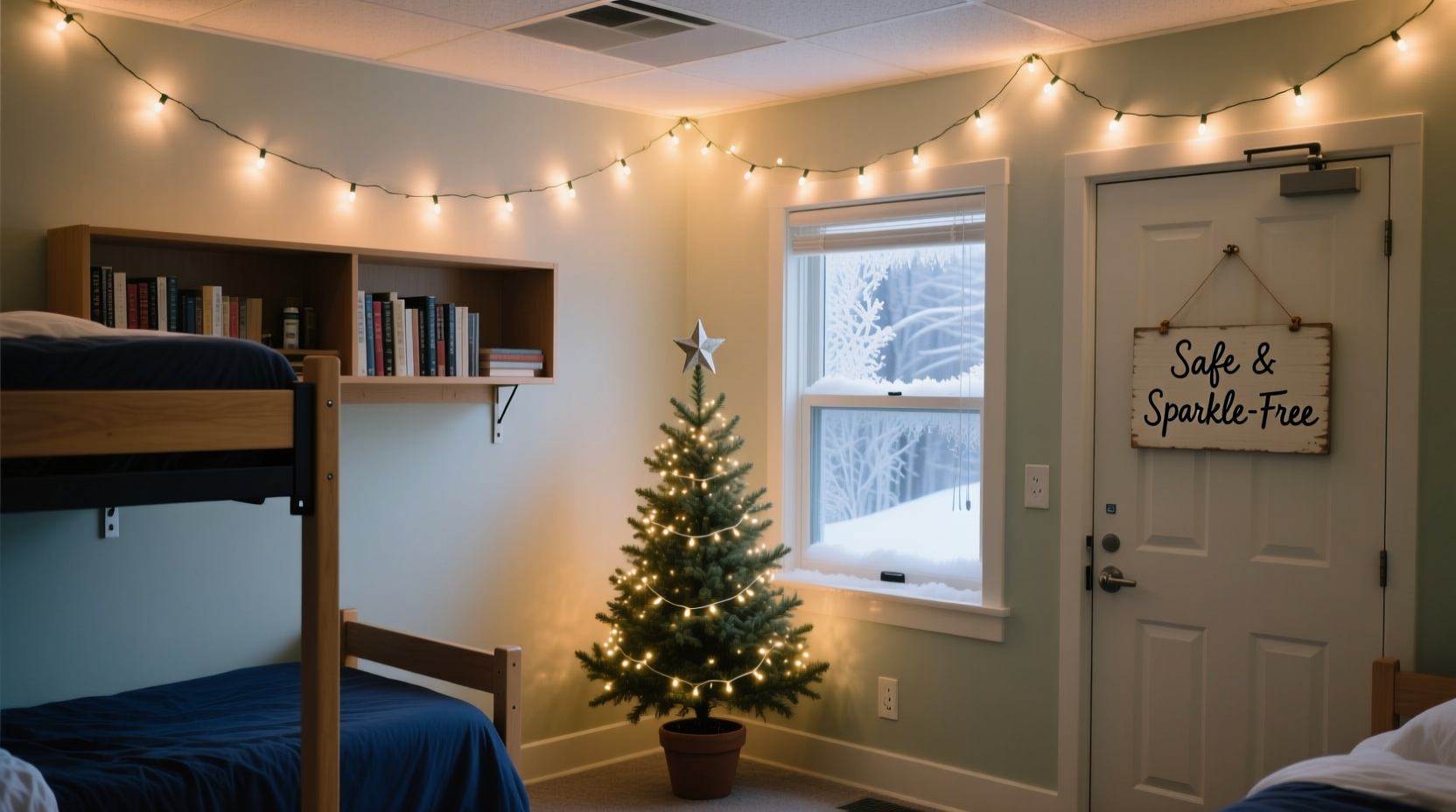
Before unpacking a single strand of lights, take time to review your institution’s official residence life handbook. Most colleges publish detailed safety codes online, often under sections like “Prohibited Items” or “Electrical Safety.” These documents are not suggestions—they are enforceable rules, and violations can result in disciplinary action, fees, or even removal from housing.
Common restrictions include:
- Limits on wattage (e.g., no bulbs over 7 watts)
- Bans on incandescent bulbs due to heat output
- Prohibitions on extension cords, power strips with surge protectors, or daisy-chaining multiple strands
- Rules against taping, nailing, or otherwise damaging walls
- Requirements for automatic shut-off timers (e.g., 6-hour max runtime)
“We’ve seen dozens of fire inspections triggered by improperly installed string lights. It only takes one overheated outlet to shut down an entire floor.” — Jason Reed, Assistant Director of Campus Housing at Midwestern State University
Some schools, like the University of Vermont and Duke University, allow LED lights as long as they are UL-listed and used with a timer. Others, such as MIT and Caltech, permit decorative lighting but require students to register their decorations with residential staff. A few institutions—including certain military academies—ban all string lighting regardless of type.
Choose the Right Lights: Safety Meets Style
Not all Christmas lights are created equal—especially when it comes to dorm safety. The key is selecting low-energy, cool-to-the-touch options that meet campus standards. Here’s how to make a smart choice:
Opt for LED Over Incandescent
LED lights consume up to 90% less energy than traditional bulbs and emit minimal heat, drastically reducing fire risk. They also last longer—often 25,000 hours or more—making them ideal for seasonal reuse. Look for labels indicating “UL Listed,” “ETL Certified,” or “CE Marked” to ensure electrical safety compliance.
Avoid Hazardous Features
Steer clear of lights with:
- Melted or frayed wires
- Non-polarized plugs (two identical prongs)
- Overloaded circuits (more than 3 sets connected end-to-end)
- Built-in controllers that generate noticeable warmth
Consider Battery-Operated or USB-Powered Options
These eliminate the need for wall outlets entirely, bypassing common power restrictions. Modern battery-powered string lights can run for 40–100 hours on AA or AAA batteries and often include remote controls and dimming features. USB versions plug into laptops, power banks, or existing USB wall adapters—commonly allowed since they draw minimal current.
“Battery-operated lights are the safest bet for dorms. No cords, no outlet strain, and zero risk of tripping circuit breakers.” — Dr. Lena Torres, Electrical Safety Consultant, National Fire Prevention Association
Installation Without Damage: No Tape, No Nails
Dorm rooms are temporary spaces, and most universities prohibit any permanent alterations. That means no thumbtacks, nails, masking tape, duct tape, or glue—methods that may seem convenient but can lead to damage charges at checkout.
Instead, use these alternative mounting techniques:
Use Adhesive Hooks Designed for Delicate Surfaces
Look for hooks labeled “damage-free,” “removable,” or “dorm-approved.” Brands like Command™ offer small plastic hooks with gel-backed adhesives that come off cleanly with a slow pull. Always clean the surface with rubbing alcohol before application and remove within the recommended timeframe.
Clip Lights Onto Furniture or Bed Frames
If your dorm bed has metal framing, consider using mini clothespins or plastic clips to drape lights along the edges. Over-the-door hooks work well for draping strands across closet doors or above desks. Bookshelves, curtain rods (if permitted), and window frames (non-painted surfaces) are also viable anchor points.
Utilize Magnetic or Suction-Based Holders
For metal lockers or bathroom tiles, magnetic wire holders or suction cup clips provide secure, non-damaging attachment. These are especially useful in shared rooms where wall space is limited.
| Mounting Method | Safety Level | Wall Damage Risk | Campus Approval Likelihood |
|---|---|---|---|
| Command™ Hooks | High | Very Low | High |
| Masking/Duct Tape | Low | High | Very Low |
| Nails/Thumbtacks | Low | High | None |
| Clips on Furniture | High | None | High |
| Adhesive Putty | Moderate | Low (if removed promptly) | Moderate |
Power Management: Avoid Outlet Overload
One of the biggest concerns in dorm electrical systems is circuit overload. Many rooms share a single outlet between two roommates who already use microwaves, mini-fridges, chargers, and lamps. Adding high-draw lighting can trip breakers or trigger safety inspections.
Follow the One-Plug Rule
Never plug multiple light strands or appliances into a single outlet using multi-plug adapters unless they include built-in surge protection and are explicitly allowed by campus policy. Instead, distribute devices across available outlets—and never block access to electrical panels.
Use a Timer to Stay Compliant
Many universities require automatic shutoffs for decorative lighting. Plug your lights into an inexpensive outlet timer set to turn off after 4–6 hours. This conserves energy, reduces fire risk, and shows proactive compliance during random checks.
Monitor Heat and Smell
If any component—bulb, plug, or adapter—feels warm to the touch or emits a burning odor, unplug it immediately. This is a sign of electrical stress and potential danger. Replace faulty units before reuse.
Step-by-Step: Safe Installation Timeline
- Week 1: Review your school’s decoration policy and note specific restrictions.
- Week 2: Purchase UL-certified LED or battery-powered lights; avoid bulk or off-brand sets.
- Week 3: Acquire damage-free mounting supplies (e.g., Command™ hooks, clips).
- Week 4: Install lights using approved methods; test connections and timers.
- Ongoing: Inspect weekly for wear, loose wires, or overheating signs.
- Post-Holidays: Carefully remove and store lights in labeled containers for future use.
Real Example: Sarah’s Frosty Dorm Transformation
Sarah, a sophomore at Ohio Wesleyan University, wanted to bring holiday cheer to her double occupancy room without risking a violation. Her RA had recently issued warnings to two students for using taped lights and daisy-chained strands.
She began by reading the housing manual: LED lights were allowed, but only if plugged into a timer and not attached with tape or nails. She purchased two 20-foot cool-white LED strands with a remote and timer function. Using white Command™ hooks spaced evenly along the top edge of her closet door and desk frame, she created a soft canopy effect above her study area.
To minimize outlet use, she powered one set via her laptop’s USB port and the other through a programmable timer set to run from 6–10 PM nightly. She avoided hanging anything near bedding or curtains and inspected connections every Sunday. Not only did her setup pass inspection—it earned praise from her RA and inspired three other floors to adopt similar safe decorating practices.
Frequently Asked Questions
Can I use fairy lights inside my closet or under my bed?
Yes, in most cases—but only if they are battery-operated or USB-powered and kept away from flammable materials like clothing, blankets, or paper. Never leave them running unattended or while sleeping.
What happens if I get caught with prohibited lights?
Punishments vary by school. Common consequences include a formal warning, removal of the item, a fine (typically $25–$100 per violation), and mandatory attendance at a fire safety seminar. Repeated offenses may affect housing eligibility.
Are solar-powered string lights an option for dorms?
Generally not practical indoors due to lack of sunlight exposure. While innovative, solar lights require direct daylight charging and are better suited for outdoor balconies or patios—if permitted.
Final Checklist: Dorm-Friendly Light Setup
- ✅ Reviewed campus decoration policy
- ✅ Chose UL-listed LED or battery-powered lights
- ✅ Avoided incandescent or high-wattage bulbs
- ✅ Used damage-free mounting (hooks, clips, etc.)
- ✅ Installed a timer for automatic shutoff
- ✅ Plugged into outlet responsibly—no daisy-chaining
- ✅ Kept lights away from bedding, curtains, and water sources
- ✅ Scheduled weekly safety checks
- ✅ Prepared for easy, residue-free removal
Conclusion: Celebrate Smart, Stay Safe
Bringing holiday spirit into a dorm room doesn’t require bending the rules—it requires thoughtful choices. By selecting the right lights, installing them responsibly, and respecting campus policies, you can enjoy a festive, glowing space without compromising safety or standing.
Your dorm may be temporary, but the habits you build now—around responsibility, electrical awareness, and community living—will serve you far beyond graduation. This holiday season, let your lights shine not just with brightness, but with integrity.




 浙公网安备
33010002000092号
浙公网安备
33010002000092号 浙B2-20120091-4
Comments
No comments yet. Why don't you start the discussion?