
Christmas lights do more than just create holiday cheer—they can transform the visual character of your home by accentuating its unique architecture. When used thoughtfully, string lights can draw attention to eaves, columns, archways, bay windows, and other structural details that often go unnoticed. The key is not coverage, but curation: placing lights where they enhance form, rhythm, and balance. This guide walks through practical strategies for using Christmas lighting as a design tool, not just decoration.
Understanding Architectural Lighting Principles
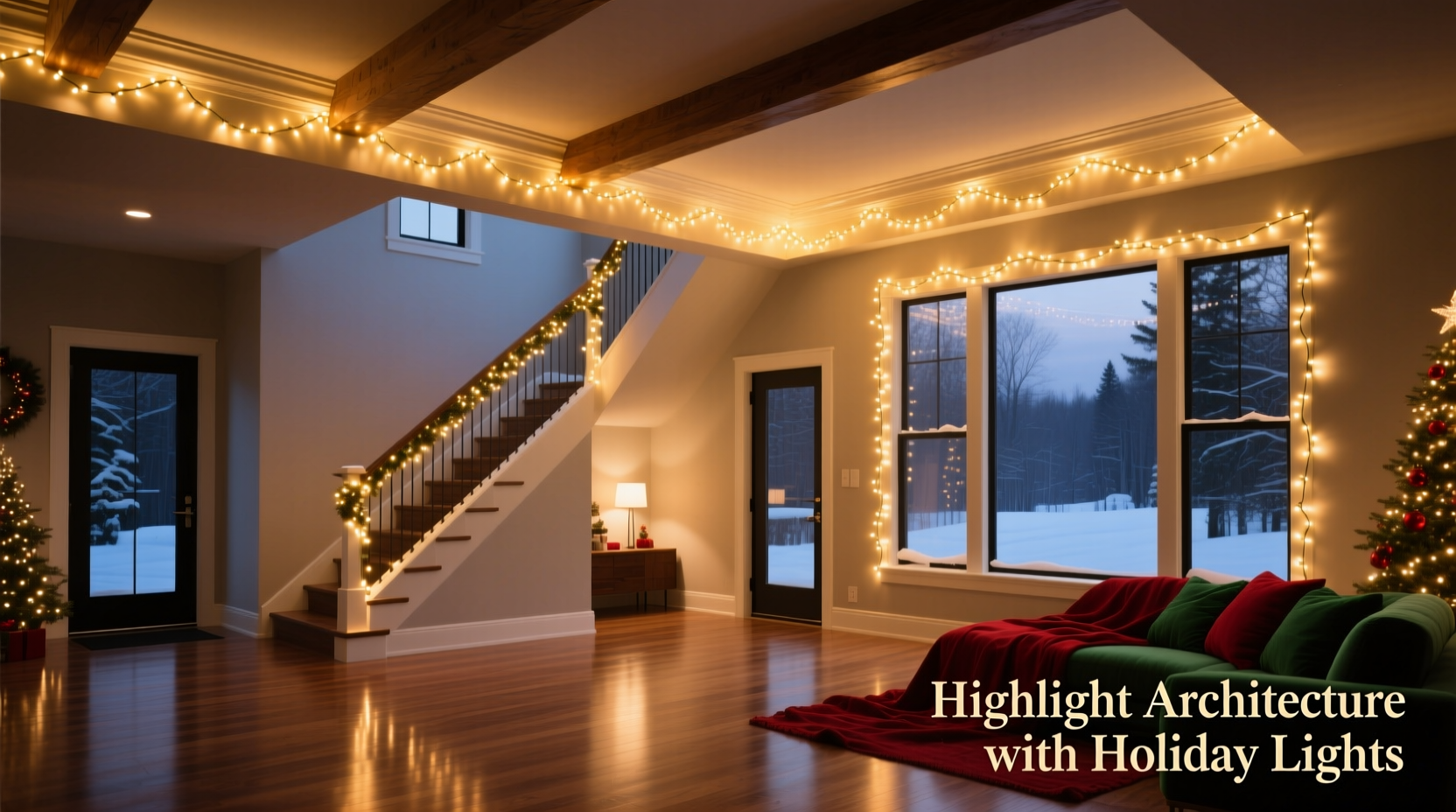
Architectural lighting isn’t about brightness—it’s about contrast, shadow, and emphasis. The goal is to reveal the shape and texture of your home after dark, much like a sculptor uses light to define form. Christmas lights, especially LED varieties, are ideal for this because they’re flexible, low-heat, and available in multiple color temperatures and densities.
Begin by walking around your home at dusk. Note which elements stand out naturally—perhaps the gabled roofline, stone foundation, or a wraparound porch. These are natural candidates for highlighting. Avoid overwhelming symmetrical designs with uneven lighting; instead, mirror your placements on both sides to maintain harmony.
Consider the tone you want to set. Warm white (2700K–3000K) creates a cozy, traditional ambiance suited to historic homes. Cool white (4000K+) offers a modern, crisp look that complements contemporary or minimalist architecture. Colored lights can work, but should be used selectively—especially if your home has intricate woodwork or stonework worth showcasing.
Step-by-Step Guide to Strategic Light Placement
Effective lighting follows a logical sequence. Begin with assessment, move to planning, then execute with precision. Here’s a timeline to follow:
- Walk the perimeter at twilight to identify standout features: dormers, shutters, columns, or textured siding.
- Sketch a rough outline of your home’s front or side elevation. Mark target zones.
- Choose fixture types: mini string lights for detail work, net lights for broad surfaces, rope lights for straight edges.
- Test layouts with temporary clips before securing permanently.
- Install from bottom to top to avoid sagging and ensure even spacing.
- Connect to GFCI outlets and use outdoor-rated extension cords.
- Program timers to turn lights on at dusk and off by midnight for efficiency.
For multi-story homes, focus on vertical continuity. Wrap lights around balustrades, trace window frames on upper levels, and consider illuminating downspouts or corner boards to emphasize height. Horizontal lines—like rooflines or deck railings—benefit from continuous runs of rope lighting or tightly spaced mini strings.
Highlighting Specific Features
- Eaves and rooflines: Run lights along the fascia board. Use clips designed for shingle attachment to avoid damage.
- Columns and pillars: Spiral lights from base to capital, maintaining consistent spacing (3–4 inches between wraps).
- Bay windows: Frame each pane individually, then connect corners with diagonal strands to create a 3D effect.
- Doors and entries: Outline the doorway like a picture frame. Add a wreath-shaped loop above for focal interest.
- Stone or brick facades: Use net lights or short curtain drops to softly wash texture without obscuring it.
“Lighting should reveal the soul of the structure, not mask it. Less is more when enhancing architecture.” — Daniel Reeves, Landscape Lighting Designer
Checklist: Pre-Installation Preparation
Before hanging a single strand, verify these essentials:
- Confirm all lights are rated for outdoor use (look for UL certification)
- Test each strand for burnt bulbs or wiring faults
- Measure linear feet of target areas to estimate needed length (add 15% extra)
- Gather mounting tools: gutter clips, shingle tabs, twist ties, or adhesive mounts
- Ensure access to weatherproof electrical outlets
- Plan cord routing to avoid trip hazards or water pooling
- Check local ordinances on display duration and brightness limits
Material Comparison: Choosing the Right Lights
Not all Christmas lights serve architectural purposes equally. Consider durability, visibility, and installation complexity.
| Type | Best For | Lifespan | Energy Use | Installation Difficulty |
|---|---|---|---|---|
| Mini String Lights (LED) | Rooflines, windows, railings | 40,000+ hours | Low | Medium |
| Rope Lights | Straight edges, columns, decks | 30,000 hours | Medium | Low |
| Net Lights | Shrubbery, textured walls | 25,000 hours | Medium | Low |
| C7/C9 Bulbs (Vintage Style) | Statement features, large porches | 6,000–10,000 hours | High | High |
| Projector Lights | Temporary accents, snow effects | 5,000 hours | Medium | Very Low |
LEDs dominate modern installations due to their longevity and low power draw. A full exterior setup using LED strings typically consumes less than 100 watts—comparable to a single incandescent bulb. This makes them ideal for extended seasonal displays without spiking energy bills.
Real Example: Transforming a Colonial-Style Home
The Miller family owns a two-story colonial with white clapboard siding, black shutters, and a prominent front portico supported by Doric columns. Each year, they used random clusters of colored lights around the porch railing, creating a festive but chaotic look.
In consultation with a local lighting designer, they reimagined their approach. They replaced multicolored strands with warm white mini LEDs and implemented a structured plan:
- Lights were threaded through the balusters of the second-floor balcony, outlining its rectangular shape.
- Each column was spiraled from base to capital with 4-inch spacing, using clear plastic clips to prevent scratching.
- The roofline received a single continuous run of rope light along the front-facing gable edge.
- The front door was framed with a double border of lights, accented by a lit wreath mounted at eye level.
The result was a dramatic yet elegant transformation. Neighbors commented that the house “looked professionally lit,” and the Millers reported higher enjoyment during evening walks. More importantly, their home’s architectural integrity remained visible—the lighting enhanced, rather than obscured, its classic proportions.
Common Mistakes to Avoid
Even well-intentioned lighting can backfire if executed poorly. Watch for these pitfalls:
- Over-lighting: Covering every surface flattens depth and hides architectural detail.
- Poor alignment: Sagging lines or uneven spacing suggest carelessness and distract the eye.
- Mismatched colors: Combining warm and cool whites creates visual dissonance.
- Using indoor lights outdoors: These lack weather resistance and pose safety risks.
- Ignoring maintenance: Failing to check connections or replace faulty strands leads to dead zones.
FAQ: Common Questions About Architectural Lighting
Can I use smart lights to highlight my home’s architecture?
Yes, smart LED strings offer excellent control for architectural lighting. You can program dimming schedules, adjust color temperature remotely, and even sync pulses to music. However, for subtle enhancement, stick to static warm or cool white modes. Flashing or color-shifting modes tend to undermine architectural seriousness.
How do I secure lights without damaging siding or gutters?
Use purpose-built clips: gutter hooks snap into place without tools, and shingle tabs slide under roofing material to hold wires discreetly. Avoid nails or staples, which can lead to leaks. For vinyl or fiber-cement siding, use adhesive-backed clips rated for outdoor use and extreme temperatures.
Are solar-powered Christmas lights effective for architectural highlighting?
Solar lights work best for low-light applications like pathway markers or small accents. For architectural features requiring consistent, bright illumination, hardwired or plug-in LEDs are more reliable. Solar units depend on daily sun exposure and often lack the output needed to define large forms at night.
Seasonal Versatility and Year-Round Value
While installed for Christmas, a well-planned lighting system can serve beyond the holidays. Many homeowners keep permanent low-voltage runs in place, using them during summer evenings to extend outdoor living space or highlight landscaping.
Consider installing conduit or hidden channels during initial setup to allow easy removal of bulbs while keeping wiring intact. This way, you can swap out LED strands seasonally—white in winter, soft amber in fall, or even subtle green/blue for summer events—without reinstalling the entire system.
Additionally, integrated lighting increases curb appeal and perceived property value. Homes with tasteful exterior lighting are often seen as better maintained and more inviting, which benefits resale potential and neighborhood aesthetics.
Conclusion: Illuminate with Intention
Using Christmas lights to highlight architectural features transforms seasonal decoration into lasting design. It shifts the focus from excess to elegance, from uniform coverage to strategic emphasis. By understanding your home’s lines, choosing appropriate materials, and installing with care, you create a nighttime identity that honors craftsmanship and brings quiet joy to your streetscape.
This holiday season, resist the urge to drape every inch in light. Instead, spotlight what makes your home unique—the curve of a gable, the strength of a column, the symmetry of a facade. Let the architecture speak, and let the lights give it a voice.




 浙公网安备
33010002000092号
浙公网安备
33010002000092号 浙B2-20120091-4
Comments
No comments yet. Why don't you start the discussion?