
Essential oils have gained widespread popularity for their natural benefits in cleaning, aromatherapy, and wellness. Many pet owners assume that because these oils are \"natural,\" they're automatically safe for all household members—including cats, dogs, birds, and small mammals. Unfortunately, this assumption can lead to serious health risks. Pets metabolize chemicals differently than humans, and many essential oils contain compounds that are toxic when inhaled, ingested, or absorbed through the skin. Understanding how to use essential oils safely—or when to avoid them altogether—can prevent accidental poisoning and ensure a healthy environment for both you and your animals.
Why Essential Oils Pose Risks to Pets
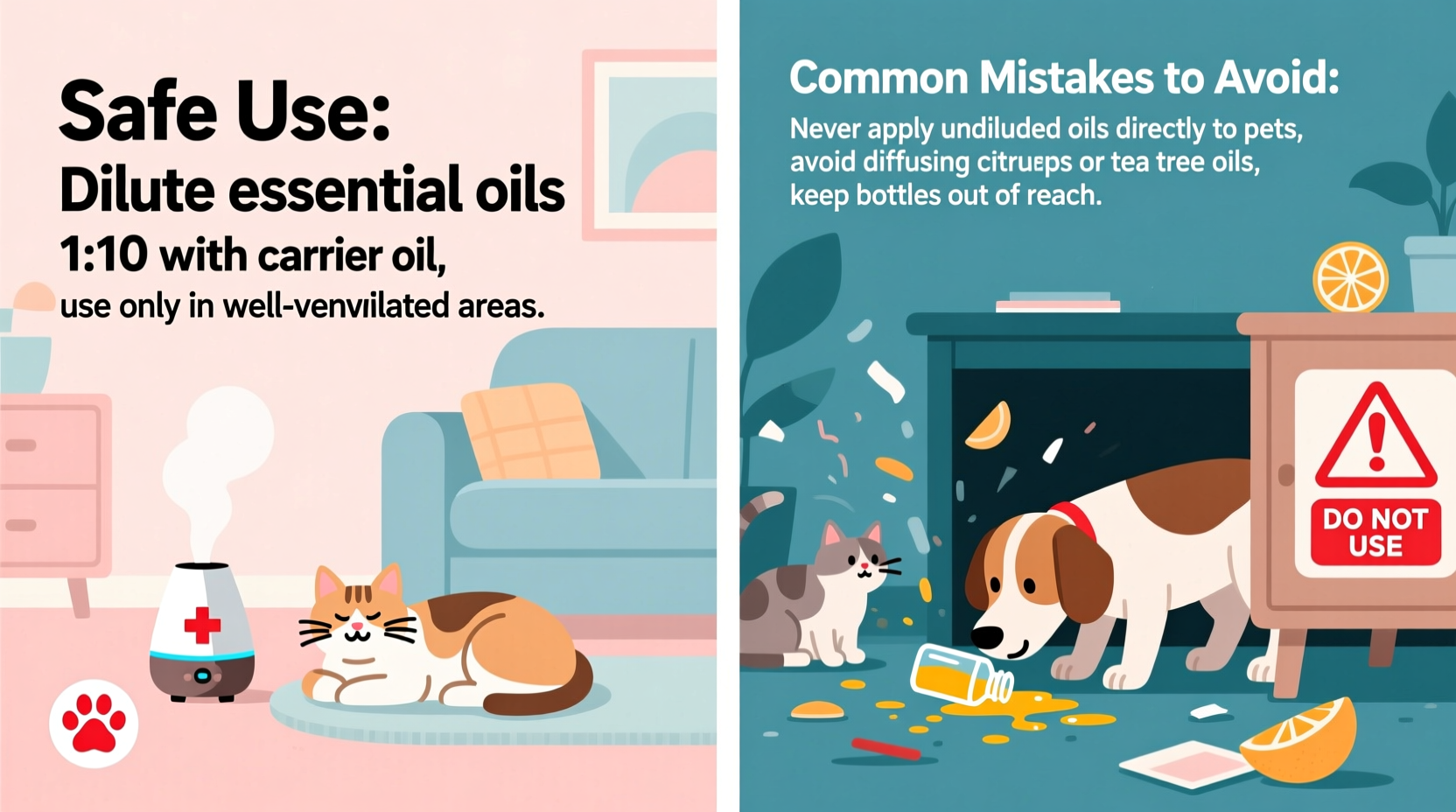
Pets, especially cats, have livers that lack certain enzymes needed to break down specific compounds found in essential oils. This biological limitation makes them far more vulnerable to toxicity. Dogs may tolerate some oils better, but even they can suffer from respiratory distress, liver damage, or neurological symptoms if exposed improperly. Birds, with their highly sensitive respiratory systems, can experience fatal reactions from just a few minutes of diffusing certain oils.
The method of exposure also plays a critical role. Inhalation via diffusion, direct skin contact, ingestion (through grooming), or walking on treated surfaces can all introduce harmful levels of oil into a pet’s system. Even “pet-safe” labeled products should be scrutinized carefully, as marketing claims often outpace scientific evidence.
“Many essential oils, including tea tree, eucalyptus, and citrus, are extremely dangerous for pets—even in small amounts.” — Dr. Karen Becker, DVM, Integrative Veterinary Medicine Specialist
Common Mistakes Pet Owners Make with Essential Oils
Well-meaning pet parents often unknowingly put their animals at risk. The following are some of the most frequent errors:
- Using diffusers without ventilation or pet access control. Continuous diffusion in enclosed spaces increases inhalation risk, particularly for caged animals like birds or rabbits.
- Applying oils directly to pet fur or skin. Topical application—even diluted—can lead to chemical burns, allergic reactions, or systemic toxicity.
- Mistaking “natural” for “safe.” Just because an oil comes from a plant doesn’t mean it’s non-toxic. For example, phenols in oregano and thyme oils are highly irritating.
- Allowing pets near freshly cleaned surfaces with essential oils. Residues on floors or furniture can be licked off during grooming.
- Ignoring species-specific sensitivities. What might be tolerable for a dog could be lethal for a cat or bird.
Essential Oil Safety by Pet Type
Different animals react very differently to essential oils. Below is a breakdown of key considerations based on species:
| Pet Type | High-Risk Oils | Safer Alternatives (Use with Caution) | Critical Notes |
|---|---|---|---|
| Cats | Tea tree, citrus, peppermint, eucalyptus, pine, cinnamon, clove | Lavender (highly diluted, minimal exposure) | Cats lack glucuronyl transferase enzyme; even trace amounts can cause toxicity. |
| Dogs | Wintergreen, ylang ylang, pennyroyal, pine, citrus (in high concentrations) | Lavender, chamomile (properly diluted, not used daily) | Large or brachycephalic breeds are more prone to respiratory irritation. |
| Birds | All essential oils (especially eucalyptus, tea tree, citrus) | None recommended | Birds have air sacs and rapid respiration; oils can cause instant lung damage. |
| Rabbits & Small Mammals | Mint, pine, citrus, eucalyptus | None advised unless under veterinary guidance | Respiratory sensitivity is extreme; avoid all diffusers in shared spaces. |
Step-by-Step Guide to Safer Use Around Pets
If you choose to use essential oils in a home with pets, follow this cautious protocol to minimize risk:
- Identify your pet’s species and health status. Elderly, sick, or immunocompromised animals are at higher risk.
- Research oil toxicity. Consult veterinary databases or speak with a holistic vet before using any oil.
- Avoid direct application. Never apply oils to your pet’s coat, paws, or skin, even if diluted.
- Limit diffusion time and space. Use intermittent diffusion (15 minutes on, 1 hour off) in rooms pets don’t occupy.
- Ensure proper ventilation. Open windows or use fans after diffusing to clear airborne particles.
- Monitor for symptoms. Watch for signs like drooling, lethargy, tremors, difficulty breathing, or excessive grooming.
- Store oils securely. Keep bottles in closed cabinets—out of reach of curious noses and paws.
Real-Life Example: A Cautionary Case
In 2021, a family in Oregon began using a lavender and tea tree oil blend in their living room diffuser to promote relaxation. Their two indoor cats, aged 7 and 9, started showing signs of weakness within days. One cat developed tremors and was hospitalized. Blood work revealed elevated liver enzymes consistent with essential oil toxicity. Despite no direct application, the prolonged diffusion in a poorly ventilated area allowed vapor accumulation. Both cats required supportive care, and full recovery took weeks. The family discontinued all oil use and switched to non-aromatic air purifiers. This case highlights how indirect exposure can still be dangerous, even with oils perceived as mild.
Do’s and Don’ts of Essential Oil Use with Pets
| Do | Don't |
|---|---|
| Consult your veterinarian before introducing any essential oil into your home | Assume that human-safe oils are safe for pets |
| Use only high-quality, pure oils from reputable brands | Use synthetic fragrance oils or blends with unknown ingredients |
| Diffuse briefly in pet-free zones with good airflow | Run diffusers continuously or overnight in shared spaces |
| Wash hands after handling oils before touching pets | Pet your animal after applying oils to your skin without washing |
| Keep emergency vet numbers accessible | Wait to seek help if your pet shows signs of distress |
Recognizing Signs of Essential Oil Toxicity
Early detection can save your pet’s life. Symptoms vary by species and exposure route but commonly include:
- Drooling or foaming at the mouth
- Vomiting or diarrhea
- Lethargy or depression
- Tremors, wobbling, or seizures
- Difficulty breathing or wheezing
- Pawing at the face or mouth
- Unusual grooming behavior (e.g., excessive licking)
If you suspect essential oil poisoning, act immediately. Remove your pet from the source, wipe their paws or fur with a damp cloth if there’s been contact, and call your veterinarian or the ASPCA Animal Poison Control Center (888-426-4435). Do not induce vomiting unless instructed by a professional.
Frequently Asked Questions
Can I use a diffuser if my dog is in another room?
It depends. If the room is well-sealed and the dog won’t enter during or shortly after diffusion, limited use may be acceptable. However, oils can linger in the air and on fabrics. For safety, avoid diffusing if your pet has asthma, allergies, or is a senior animal.
Are there any essential oils that are truly safe for pets?
There are no universally safe essential oils for all pets. Even oils like lavender and chamomile, often marketed as pet-friendly, can cause adverse reactions depending on concentration, duration of exposure, and individual sensitivity. The safest approach is avoidance, especially for cats and birds.
What should I do if my cat walks through an area cleaned with essential oils?
Immediately wash your cat’s paws with mild soap and water to remove residue. Monitor closely for signs of illness over the next 24 hours. If the cleaner contained oils like citrus, pine, or tea tree, contact your vet promptly—even asymptomatic exposure can progress.
Expert Insight: When Natural Isn’t Necessarily Better
While holistic approaches appeal to pet owners seeking alternatives to pharmaceuticals, caution is vital. Not all natural substances are benign, and essential oils are potent biochemical agents—not gentle scents.
“The dose makes the poison. Essential oils are concentrated plant extracts. In animals with different metabolic pathways, even low doses can overwhelm the system.” — Dr. Laura Robinson, Board-Certified Veterinary Toxicologist
This principle underscores why responsible use demands respect for dosage, delivery method, and species biology. Veterinarians increasingly see cases of essential oil toxicity linked to misinformation online. Always prioritize peer-reviewed science over anecdotal advice from social media or unverified blogs.
Practical Checklist for Pet-Safe Homes
Use this checklist to evaluate and improve your essential oil practices:
- ☑️ Reviewed the ASPCA’s list of toxic essential oils for pets
- ☑️ Secured all essential oil bottles in a locked cabinet
- ☑️ Discontinued use of diffusers in rooms pets frequent
- ☑️ Switched to pet-safe cleaning products without essential oils
- ☑️ Posted emergency vet and poison control numbers on the fridge
- ☑️ Educated all household members about the risks of essential oils
- ☑️ Discussed your pet’s environment with your veterinarian
Conclusion: Prioritizing Pet Wellness Over Trends
The desire to create a clean, calming home environment is understandable—but not at the expense of your pet’s health. Essential oils, while beneficial in certain human applications, carry significant risks when used around animals. The safest choice for many households, especially those with cats, birds, or small mammals, is to avoid them entirely. For others, strict precautions, education, and veterinary consultation are non-negotiable.
Your pet relies on you to make informed decisions. By recognizing the dangers, avoiding common mistakes, and choosing safer alternatives—like HEPA air purifiers or plain vinegar-based cleaners—you protect their well-being without sacrificing comfort. Knowledge is the most powerful tool you have. Share what you’ve learned, question popular trends, and always put your pet’s safety first.




 浙公网安备
33010002000092号
浙公网安备
33010002000092号 浙B2-20120091-4
Comments
No comments yet. Why don't you start the discussion?