
Dog owners know the familiar sight: kibble scattered across the kitchen floor, wet paw prints leading away from the bowl, and the faint smell of leftover dinner clinging to baseboards. While feeding time is essential, it often comes with an unwanted side effect—mess. One surprisingly effective solution? The humble placemat. Often associated with human dining, placemats can be a game-changer in managing pet mealtime chaos. When used strategically, they contain spills, protect flooring, simplify cleanup, and even support better eating habits for dogs. This guide explores how to leverage placemats effectively, offering real-world tips, expert insights, and a step-by-step plan to maintain a cleaner home.
Why Placemats Work for Dog Feeding Zones
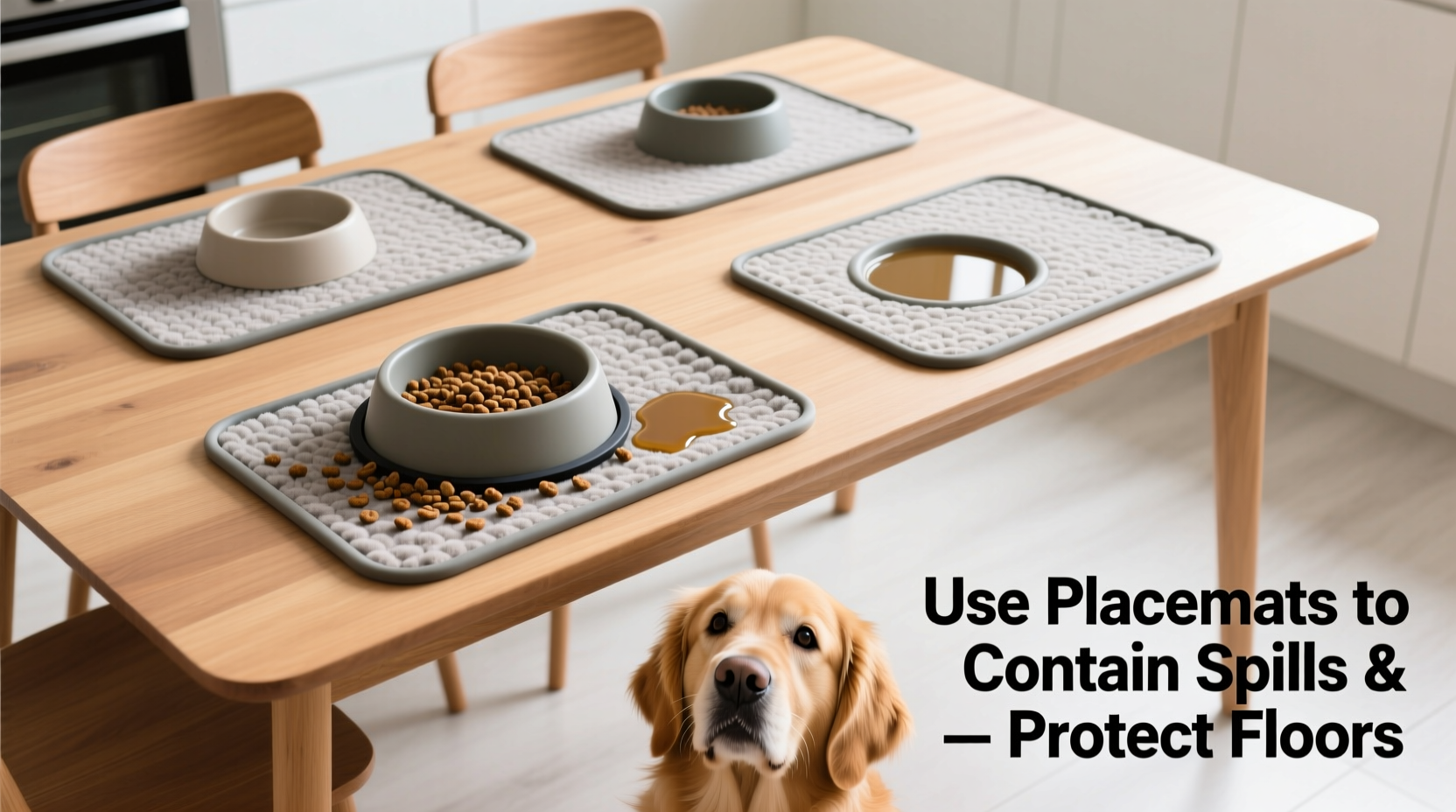
Dogs don’t eat neatly. Whether they’re enthusiastic eaters, anxious gulpers, or playful diggers in their bowls, food inevitably ends up outside the dish. Traditional solutions like sweeping or spot-cleaning are reactive. Placemats offer a proactive defense by creating a defined, contained space for meals. They act as a physical barrier, catching falling kibble, absorbing moisture from water bowls, and preventing scratches on hardwood or tile from sliding dishes.
Beyond containment, placemats contribute to consistency in a dog’s environment. Dogs thrive on routine, and a designated feeding mat signals that it’s time to eat, reducing excitement and erratic behavior around mealtimes. Over time, this can lead to calmer feeding patterns and less aggressive bowl interaction—which directly reduces spillage.
Choosing the Right Placemat for Your Dog
Not all placemats are suitable for pet use. Human-grade fabric mats may absorb spills but are difficult to clean and prone to mildew. The ideal dog feeding placemat balances durability, ease of cleaning, non-slip properties, and size. Consider these materials:
- Rubber or silicone – Highly durable, waterproof, and easy to wipe down. Often feature raised edges to trap liquids.
- Heavy-duty vinyl – Resistant to stains and odors, machine-washable, and affordable.
- Natural cork – Naturally antimicrobial and provides a firm base, though less effective with wet spills.
- Woven polypropylene – Lightweight and washable, but may fray over time with heavy chewing.
Avoid thin paper or cloth placemats—they offer no protection and become hygiene hazards when soiled.
| Material | Spill Resistance | Cleanability | Best For |
|---|---|---|---|
| Rubber/Silicone | ★★★★★ | ★★★★☆ | Dogs that splash water or knock over bowls |
| Vinyl | ★★★★☆ | ★★★★★ | Frequent feeders or multi-dog households |
| Cork | ★★★☆☆ | ★★★☆☆ | Dry food only; light drinkers |
| Polypropylene | ★★☆☆☆ | ★★★☆☆ | Temporary or travel use |
Step-by-Step Guide to Implementing a Placemat Feeding System
Switching to a placemat-based feeding setup takes just minutes but delivers lasting results. Follow this timeline to integrate it seamlessly into your routine:
- Day 1: Select and Position – Choose a mat based on your dog’s size, eating style, and flooring type. Place it on a flat, stable surface near your usual feeding spot.
- Day 2: Introduce Gradually – Set the food bowl on the mat while keeping the old setup nearby. Let your dog investigate. Praise calm behavior.
- Day 3–5: Transition Fully – Remove the old feeding area. Serve all meals exclusively on the mat. Monitor for slipping or displacement.
- Week 2: Refine Placement – If food still lands off the mat, try a larger size or one with a lip. Ensure the mat lies flat and doesn’t curl at the edges.
- Ongoing: Clean Daily – After each meal, shake off crumbs into the trash, wipe with a damp cloth, and rinse if necessary. Deep clean weekly with pet-safe disinfectant.
Consistency is key. Within a week, most dogs adapt to the new zone without resistance.
Real Example: Reducing Mess in a Multi-Dog Home
The Thompson family had two energetic dogs—Max, a Labrador who eats like a vacuum, and Luna, a terrier mix who flips her bowl playfully. Their kitchen tiles were constantly stained with water rings and kibble residue. After trying trays and rugs with limited success, they switched to oversized rubber placemats with raised borders. They positioned both bowls on a single large mat to contain shared chaos. Within days, visible mess dropped by 80%. The mats were wiped down each morning in under two minutes. “It sounds simple,” says Sarah Thompson, “but we’ve saved hours on cleaning and finally stopped worrying about grit getting tracked into the living room.”
Expert Insight on Canine Feeding Hygiene
“Containment is the first line of defense in pet feeding hygiene. A dedicated, easy-to-clean surface not only protects floors but also reduces bacterial buildup from food particles left on porous surfaces.” — Dr. Alan Reyes, DVM, Veterinary Behavior and Wellness Specialist
Dr. Reyes emphasizes that consistent use of feeding mats contributes to overall household sanitation. He notes that damp food remnants on flooring can attract insects and promote mold growth, especially in humid climates. A placemat acts as a removable barrier, allowing owners to address mess at the source rather than letting it spread.
Common Mistakes to Avoid
Even with the right tools, improper use can undermine results. Watch out for these pitfalls:
- Using too small a mat – Spills land just beyond the edge, defeating the purpose.
- Ignoring non-slip features – Sliding bowls increase mess and frustrate dogs.
- Infrequent cleaning – Buildup of bacteria and odors can deter dogs from eating or create health risks.
- Placing mats on uneven surfaces – Causes tilting and inconsistent contact with the floor.
- Leaving mats in direct sunlight – UV exposure degrades rubber and vinyl over time.
FAQ: Common Questions About Dog Feeding Placemats
Can I use human placemats for my dog?
Occasionally, yes—but only if they’re made of waterproof, easy-to-clean material. Most decorative placemats absorb moisture, harbor bacteria, and degrade quickly under pet use. Invest in pet-specific designs for durability and hygiene.
How do I stop my dog from moving or chewing the placemat?
Start with a heavier or textured-bottom mat that resists sliding. If chewing occurs, supervise meals and remove the mat afterward. Some dogs chew out of boredom; consider increasing mental stimulation before feeding. Positive reinforcement helps discourage destructive behavior.
Are placemats safe for all floor types?
Yes, when chosen correctly. Rubber mats may stain unsealed wood or leave residue on certain tiles. Test in a small area first. Vinyl or woven mats are safer for sensitive flooring. Always ensure the underside is clean and dry to prevent sticking or discoloration.
Final Checklist for a Cleaner Feeding Routine
- ✔ Measure your dog’s bowl and select a placemat at least 2 inches larger on all sides.
- ✔ Choose a non-slip, waterproof material like rubber or vinyl.
- ✔ Place the mat on a level, stable surface away from high-traffic zones.
- ✔ Introduce the mat gradually, rewarding calm interaction.
- ✔ Clean the mat daily and disinfect weekly.
- ✔ Replace the mat if cracked, warped, or permanently stained.
Take Action Today for a Tidier Tomorrow
Stopping dog food spills doesn’t require expensive gadgets or complicated routines. A well-chosen placemat is a simple, cost-effective tool that brings immediate improvements to cleanliness and convenience. By defining a feeding zone, you not only protect your floors but also support healthier eating behaviors in your pet. Thousands of dog owners have reduced cleanup time and improved kitchen hygiene with this small change. Start today—measure your bowl, pick the right mat, and place it with intention. Your floors (and your schedule) will thank you.




 浙公网安备
33010002000092号
浙公网安备
33010002000092号 浙B2-20120091-4
Comments
No comments yet. Why don't you start the discussion?