
A water-resistant watch is only as reliable as its weakest seal. Many people assume that a watch labeled “waterproof” or “30 meters water resistant” can withstand swimming or diving, but this is often a dangerous misconception. Over time, gaskets degrade, crystals loosen, and case backs shift — all compromising the watch’s ability to resist moisture. Without regular verification and maintenance, even a high-end timepiece can succumb to internal fogging, corrosion, or complete failure. Preserving your watch’s waterproof integrity isn’t just about occasional care; it’s an ongoing commitment rooted in understanding specifications, performing timely checks, and respecting environmental limits.
Understanding Water Resistance Ratings: What They Really Mean
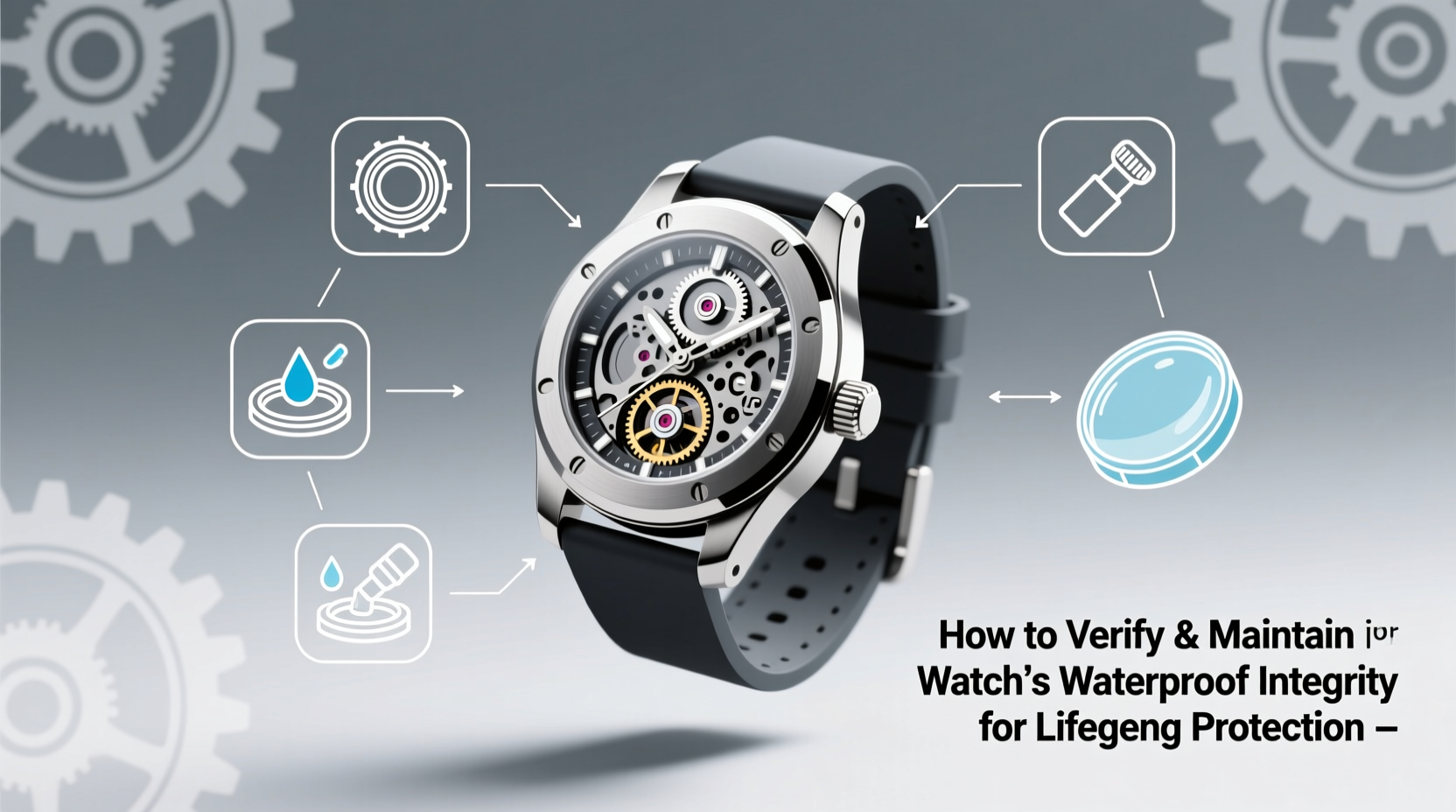
The term “waterproof” is largely outdated and misleading. Modern standards use “water resistance” with specific depth ratings, but these numbers don’t translate directly to safe diving depths. The rating reflects static pressure in controlled lab conditions — not the dynamic pressures of swimming, diving, or sudden temperature changes.
| Water Resistance Rating | Real-World Suitability | Common Misconceptions |
|---|---|---|
| 30 meters (3 ATM) | Splash and rain resistant only. Not suitable for swimming. | “I can wear it in the shower.” → High heat and soap degrade seals faster. |
| 50 meters (5 ATM) | Swimming in shallow water, snorkeling at surface level. | “Good for scuba diving.” → Far too shallow for actual diving. |
| 100–200 meters (10–20 ATM) | Recreational diving, depending on brand standards. | “I never need to service it.” → Seals still degrade annually. |
| 200+ meters (ISO 6425 compliant) | Professional diving watches built for extreme conditions. | “It’s indestructible.” → Even these require pressure testing every 1–2 years. |
Always refer to your manufacturer’s guidelines. A dive watch from Rolex or Omega may outperform its rating due to superior engineering, while a fashion watch rated at 50 meters might not survive a vigorous swim.
Step-by-Step Guide to Verifying Waterproof Integrity
Verifying your watch’s resistance isn’t something you should guess at. Follow this professional sequence to ensure accuracy and safety:
- Visual Inspection: Check for cracks in the crystal, misaligned crowns, or dents in the case. Any physical damage compromises sealing surfaces.
- Examine the Gaskets: Using a loupe, inspect the crown and case back gaskets for dryness, cracking, or deformation. Rubber degrades over time, especially when exposed to UV light or chemicals.
- Dry Pressure Test (Recommended Every 12–18 Months): Take your watch to a certified watchmaker who uses a pressure chamber. This device simulates depth pressure and detects micro-leaks by monitoring case expansion.
- Condensation Check: If you notice fog inside the crystal, do not open the case yourself. Condensation indicates moisture entry — immediate servicing is required.
- Post-Service Verification: After any battery change or repair, insist on a post-service pressure test. Many leaks occur during reassembly.
This process ensures early detection of vulnerabilities before irreversible damage occurs.
Maintenance Best Practices for Long-Term Protection
Prevention is far more effective than repair. Watches exposed to saltwater, chlorinated pools, or frequent handwashing face accelerated seal degradation. A consistent maintenance routine extends both function and lifespan.
- Rinse your watch with fresh water after exposure to salt or chlorine. Dry thoroughly with a soft cloth.
- Avoid hot showers, saunas, or steam rooms. Heat expands metal and rubber, breaking temporary seals.
- Service gaskets every 2–3 years, even if no issues are apparent. Proactive replacement prevents surprise failures.
- Store your watch in a cool, dry place away from direct sunlight to slow material aging.
- Keep the crown fully screwed down (if applicable) at all times when not adjusting time or date.
“Over 70% of water damage claims we see come from watches worn in showers or improperly maintained after ocean use. It’s not the depth — it’s the neglect.” — Daniel Reyes, Master Watchmaker at ChronoGuard Services
Real Example: The Weekend Diver Who Lost His Investment
Mark, an amateur diver, purchased a well-known Swiss dive watch rated at 200 meters. Confident in its capabilities, he used it weekly for coastal dives without servicing. After 18 months, he noticed slight fogging after a dive. He ignored it, assuming it would clear. Six weeks later, the movement seized due to saltwater corrosion. Upon inspection, the crown gasket was cracked and the case back seal had failed — both preventable with a $60 annual pressure test. The repair cost exceeded $400, and the resale value dropped by 30%. Mark now services his watch every 12 months and logs each test in a dedicated journal.
This scenario underscores a critical truth: performance-rated watches demand disciplined upkeep. Trusting the label alone is not enough.
Checklist: Annual Waterproof Integrity Maintenance
Annual Waterproof Maintenance Checklist:
- ✅ Perform visual inspection for case and crystal damage
- ✅ Check crown operation and screw-down mechanism (if present)
- ✅ Schedule professional pressure test
- ✅ Replace case back and crown gaskets if over 2 years old
- ✅ Clean exterior with fresh water after salt/chlorine exposure
- ✅ Verify manufacturer’s recommended service interval
- ✅ Log service date and test results for future reference
Frequently Asked Questions
Can I swim with a 50-meter water-resistant watch?
Yes, but only in shallow water and under controlled conditions. Avoid jumping into water, snorkeling, or prolonged submersion. Activities like swimming increase dynamic pressure beyond the static 5 ATM rating, raising the risk of leakage.
How often should I have my dive watch pressure tested?
Every 12 to 18 months, especially if used regularly in water. Even infrequent use doesn’t stop gasket aging. Professional divers and collectors often opt for biannual tests to ensure mission-critical reliability.
Does water resistance expire?
Yes. While the watch itself may last decades, the seals that provide water resistance degrade over time. Exposure to heat, chemicals, and physical stress accelerates this. A watch that hasn’t been serviced in five years likely has compromised integrity — regardless of its original rating.
Conclusion: Protect Your Timepiece Like a Pro
Your watch’s resistance to water isn’t a permanent feature — it’s a condition that requires vigilance. From understanding what ratings actually mean to scheduling routine pressure tests, every step you take reinforces its longevity. Whether you own a vintage heirloom or a modern dive companion, treating water resistance as a maintenance-dependent trait transforms how you care for it. Don’t wait for fogged glass or a dead movement to act. Start today: inspect your watch, log its last service, and schedule your next checkup. A few minutes of attention now can preserve decades of precision and beauty.




 浙公网安备
33010002000092号
浙公网安备
33010002000092号 浙B2-20120091-4
Comments
No comments yet. Why don't you start the discussion?