
Weighted blankets have become a staple in modern sleep hygiene, offering deep pressure stimulation that can reduce anxiety and improve rest. But as comforting as they are, cleaning them presents a unique challenge. Unlike regular comforters, weighted blankets contain dense fillings—often glass beads, plastic pellets, or metal granules—that can shift, clump, or degrade if washed improperly. The last thing you want is a lopsided blanket or damaged fabric after a wash cycle. Fortunately, with the right approach, you can keep your weighted blanket fresh, functional, and balanced for years.
Understanding Weighted Blanket Construction
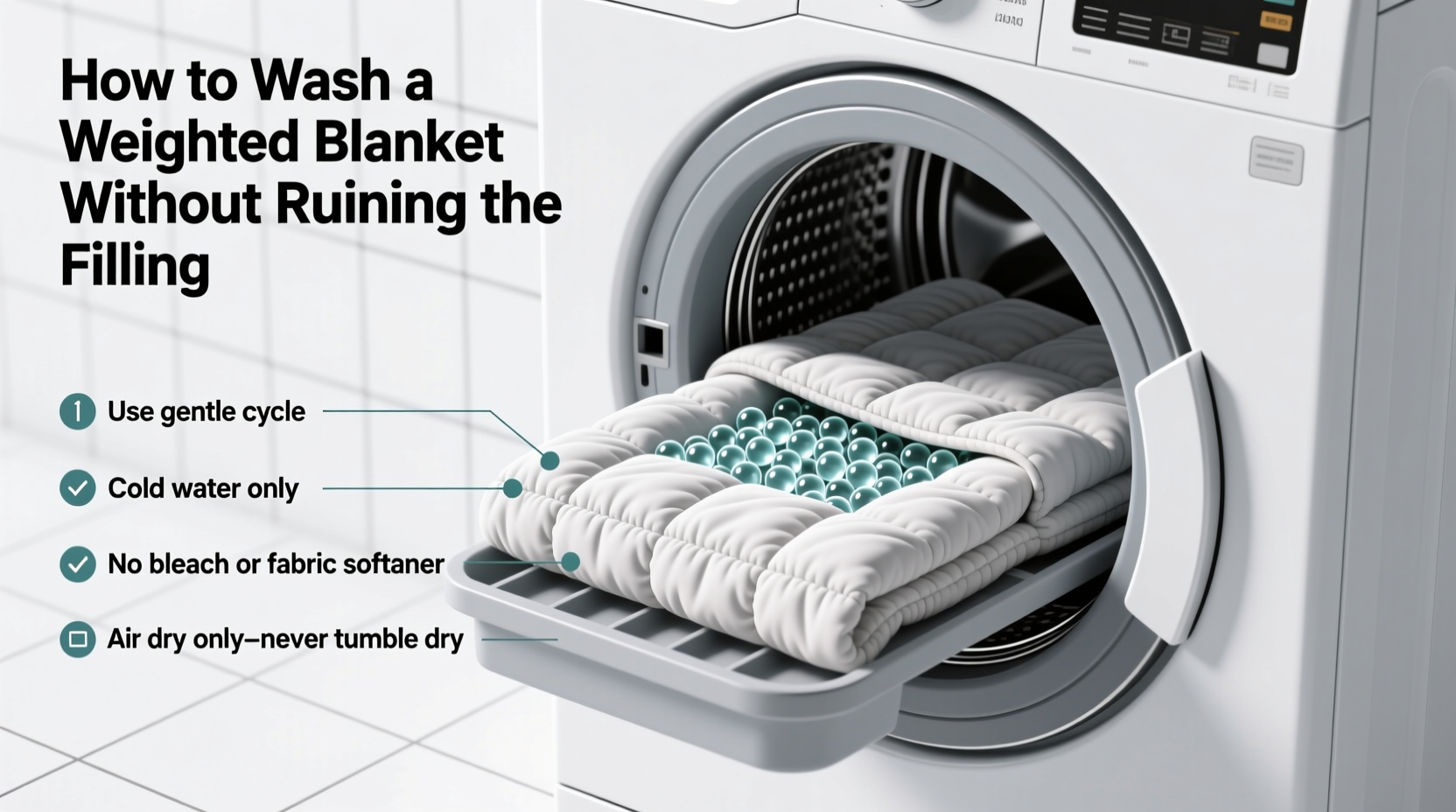
Before diving into washing methods, it's essential to understand what makes a weighted blanket different. Most are constructed with two main components: an outer shell (usually cotton, bamboo, microfiber, or polyester) and internal weight distributed in small pockets. These pockets are sewn tightly to prevent shifting during use, but agitation in a washing machine can compromise their integrity if not handled carefully.
The filling material plays a crucial role in determining care requirements. Common types include:
- Plastic poly pellets – Lightweight and cost-effective, but prone to melting under high heat.
- Glass microbeads – Heavier, more evenly distributed, and generally more durable, though still sensitive to rough handling.
- Metal shot or sand – Rare in consumer models due to potential corrosion and weight stress on fabric.
Because of these materials, standard laundry practices often fall short. A misstep—like using hot water or skipping the spin cycle—can lead to clumping, seam bursting, or permanent imbalance.
“Many people assume all blankets can be tossed in the wash like sheets. With weighted blankets, even minor errors in temperature or load balance can cause irreversible damage.” — Dr. Lena Torres, Textile Engineer and Home Product Safety Consultant
Step-by-Step Guide to Machine Washing a Weighted Blanket Safely
Washing a weighted blanket in a machine is possible—but only if done correctly. Follow this detailed sequence to protect both the filling and fabric.
- Check the manufacturer’s label. Always start here. Some brands explicitly prohibit machine washing or specify front-loading machines only. If no label exists, contact customer support with the model number.
- Pre-treat stains gently. Use a soft cloth and mild detergent to dab at soiled areas. Avoid scrubbing, which can weaken stitching around weight pockets.
- Use a gentle cycle with cold water. Set your washer to “Delicate” or “Hand Wash” mode. Hot water risks melting plastic fillings and shrinking natural fibers.
- Add mild, bleach-free detergent. Harsh chemicals can degrade both fabric and filling over time. Opt for fragrance-free, hypoallergenic formulas.
- Wash alone or with similar heavy items. Never overload the machine. A single weighted blanket should be the only large item in the drum to maintain balance.
- Avoid fabric softener. It coats fibers and may clog moisture-wicking properties, especially in bamboo or cotton blends.
- Use a front-loading washer when possible. Top-loaders with agitators create excessive friction and torque, increasing the risk of tearing seams or displacing weights.
- Double rinse if needed. Residual soap can attract dirt and stiffen fabric. Run an extra rinse cycle to ensure thorough cleaning.
- Transfer immediately to dryer—or air dry. Do not leave the wet blanket in the washer; prolonged dampness encourages mildew and odor.
Do’s and Don’ts: Care Comparison Table
| Do’s | Don’ts |
|---|---|
| Use cold water and gentle cycle | Use hot water or heavy-duty settings |
| Wash every 1–2 months or with removable cover | Wash weekly—overwashing wears out fibers |
| Use front-loading machine (preferred) | Use top-loader with central agitator |
| Add 1–2 clean tennis balls in dryer to prevent clumping | Tumble dry on high heat—melts plastic fillings |
| Inspect stitching before and after wash | Ignore fraying or bulging pockets |
| Store flat or rolled—never folded long-term | Hang vertically—weight stresses seams |
Drying Without Damage: Preserving Fill Distribution
Drying is where most mistakes occur. Even if the wash cycle goes smoothly, improper drying can ruin the blanket’s balance. Here’s how to finish strong:
If using a dryer, select “Low Heat” or “Air Fluff” setting. High temperatures can warp plastic pellets or degrade adhesives holding glass beads in place. Add wool dryer balls or clean tennis balls to help separate layers and maintain even weight distribution. Remove the blanket while slightly damp and finish air-drying flat to prevent overheating.
Air drying is the safest method. Lay the blanket flat on a clean, dry surface—preferably a breathable rack or shower curtain rod—away from direct sunlight. Rotate occasionally to ensure even drying. This process may take 24–48 hours depending on humidity, but it eliminates shrinkage and mechanical stress.
Never hang a wet weighted blanket. The concentrated weight pulls on the top seams, risking tears and distortion. Gravity works against you here—horizontal drying supports the entire surface evenly.
Real Example: When Machine Washing Went Wrong (And How It Was Fixed)
Sarah, a nurse from Portland, Oregon, bought a 15-pound micro-glass bead blanket to help with insomnia. After three months, it began to smell faintly of sweat despite using a removable cover. She decided to wash it in her top-loading machine, selecting “Normal” cycle with warm water.
The result? Two pockets near the corner burst, creating a noticeable lump. The blanket also emerged 20% smaller, with frayed edges. Alarmed, Sarah contacted the manufacturer, who advised her to return it for repair. They re-stitched the damaged sections and replaced displaced beads under warranty—but warned future washing must follow guidelines strictly.
She switched to a laundromat with front-load machines and now washes the blanket every eight weeks using cold water and low spin. She also invested in a second washable cover to reduce full-blanket laundering. Her blanket has lasted nearly three years with no further issues.
This case underscores a key point: convenience should never override care instructions. One misstep can shorten a blanket’s lifespan by years.
Expert Checklist: Pre-Wash Evaluation
Before every wash, run through this checklist to avoid preventable damage:
- ✅ Confirm care label allows machine washing
- ✅ Inspect for loose threads, torn seams, or bulging pockets
- ✅ Choose a front-loading washer if available
- ✅ Remove any detachable cover and wash separately
- ✅ Use mild, non-bleach detergent
- ✅ Ensure washer drum is empty except for the blanket (or paired with towels of similar weight)
- ✅ Plan for immediate drying—don’t let it sit wet
- ✅ Prepare dryer with wool balls or set up flat drying space
Frequently Asked Questions
Can I wash a weighted blanket in a top-loading machine?
You can, but only if it’s an impeller-style (no central agitator). Traditional agitators create too much twisting force, increasing the risk of seam failure. If you must use one, select the gentlest cycle, reduce spin speed, and monitor the load balance manually.
How often should I wash my weighted blanket?
Every 1–2 months is sufficient for most users, especially if you use a removable cover. Overwashing accelerates wear. Spot clean between full washes and air out monthly by hanging in a breezy room or balcony.
What if the filling shifts after washing?
Some minor redistribution is normal. To fix it, lay the blanket flat and gently massage clumped areas. For severe cases, knead each pocket individually. If gaps persist, contact the manufacturer—some offer rebalancing services under warranty.
Final Thoughts: Longevity Through Smart Care
A weighted blanket is an investment in better sleep and emotional well-being. Treating it like ordinary bedding risks compromising its function and safety. By respecting its construction, following precise washing protocols, and drying with patience, you preserve not just cleanliness but structural integrity.
Remember: the goal isn’t just to remove dirt—it’s to maintain consistent weight distribution, fabric strength, and comfort over time. Whether you rely on a machine or prefer hand care, consistency and caution are your best allies.




 浙公网安备
33010002000092号
浙公网安备
33010002000092号 浙B2-20120091-4
Comments
No comments yet. Why don't you start the discussion?