
Pillow covers are more than just decorative accents—they’re functional elements that shape the look, feel, and longevity of your bedding or living space. With options ranging from printed image covers to intricately embroidered designs, choosing the right one can influence both aesthetics and comfort. But when it comes to tactile experience and long-term value, does embroidery’s added texture truly enhance the product, or is it simply visual flair at the cost of practicality?
This article dives deep into the differences between image-based (typically digitally printed) pillow covers and embroidered ones, examining not only appearance but also durability, maintenance, comfort, and psychological impact. By understanding the material science and design philosophy behind each, you’ll be better equipped to decide whether the texture of embroidery is worth the investment.
The Core Differences: Image vs Embroidered Covers
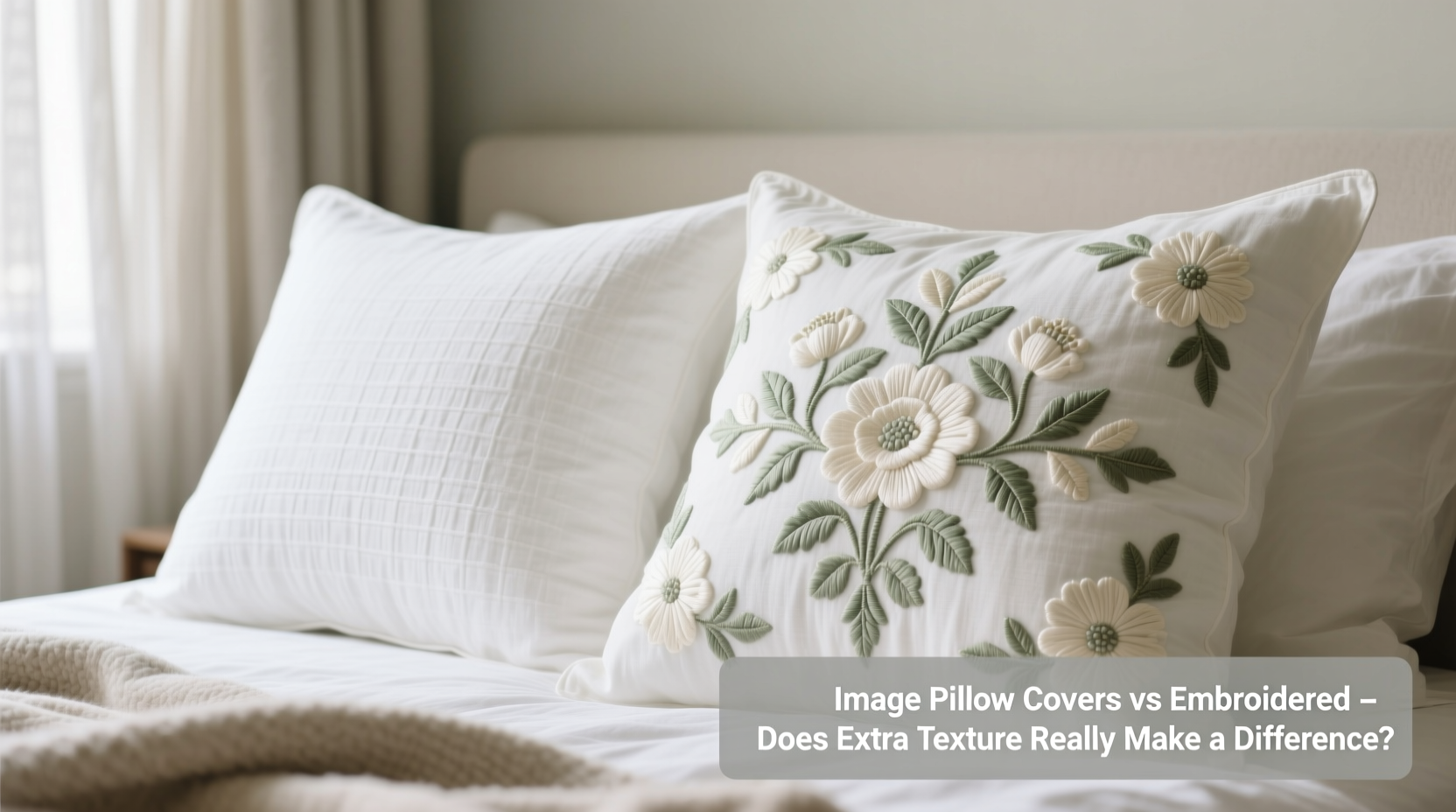
At first glance, the distinction seems simple: image pillow covers use high-resolution printing to transfer patterns, photos, or artwork onto fabric, while embroidered covers involve stitching thread directly into the base material to create raised designs. However, this surface-level difference leads to divergent experiences in handfeel, washability, and even emotional resonance.
Digital printing allows for photorealistic detail, vibrant color gradients, and complex scenes—ideal for artistic expression. In contrast, embroidery relies on thread density, stitch type, and fabric tension to produce texture. While limited in color range compared to printing, embroidery offers dimensionality that flat images cannot replicate.
The choice often comes down to intent: do you want a cover that tells a story through imagery, or one that invites touch through craftsmanship?
Material and Construction Breakdown
Image-based covers typically use polyester, cotton-poly blends, or 100% cotton as their base. The design is applied using sublimation or direct-to-garment printing, which bonds ink to the fibers. This results in a smooth surface with no added texture beyond the weave of the fabric itself.
Embroidered covers start with similar base fabrics but undergo an additional manufacturing step. Using computerized machines or hand-stitching, threads—often rayon, polyester, or silk—are layered over the surface in precise patterns. The result is a three-dimensional effect, where light plays differently across stitched areas, creating subtle shadows and highlights.
Durability: Which Holds Up Over Time?
One of the most critical factors in evaluating pillow covers is how well they withstand repeated use and washing. Here, embroidery has a nuanced advantage—but with caveats.
Printed image covers can fade over time, especially when exposed to sunlight or washed frequently in hot water. UV rays break down dyes, and aggressive detergents accelerate color loss. Once faded, the image loses its vibrancy and may appear blotchy or uneven.
Embroidered designs, by contrast, are physically part of the fabric. As long as the thread is colorfast and the stitching secure, the design won’t fade—it remains intact even after dozens of washes. However, poor-quality embroidery can unravel, particularly if short-stitch techniques or weak threads are used.
“Embroidery outlasts print when done correctly. It’s not just about looks—it’s structural integrity.” — Lena Torres, Textile Engineer at ThreadCraft Labs
Care Requirements Compared
| Feature | Image Pillow Covers | Embroidered Pillow Covers |
|---|---|---|
| Wash Frequency | Every 2–3 weeks; prone to fading | Every 3–4 weeks; retains integrity |
| Washing Temperature | Max 30°C recommended | Up to 40°C usually safe |
| Sunlight Resistance | Low to moderate | High (thread resists UV degradation) |
| Drying Method | Air dry preferred | Tumble dry low acceptable |
| Ironing | Low heat, reverse side | Avoid direct ironing on stitches |
Comfort and Sensory Experience
The texture of a pillow cover affects more than just appearance—it influences how you interact with your space. A smooth printed cover feels consistent against the skin, making it ideal for people who prefer minimal sensory input, such as those with sensitivities or young children.
Embroidered textures introduce variation. Raised patterns can feel pleasant under fingertips, adding a layer of tactile engagement. However, some users report discomfort when resting their face or neck against prominent stitching, especially with tight, dense embroidery.
In sleep environments, texture matters. Research in environmental psychology suggests that textured surfaces can increase perceived coziness and emotional warmth in a room. But if the texture interferes with relaxation—such as causing itchiness or pressure points—it defeats the purpose.
Mini Case Study: Home Decor Client Preference
Jamila Chen, an interior designer based in Portland, worked with two clients furnishing identical modern-luxury bedrooms. For one, she selected linen pillow covers with botanical photo prints; for the other, she chose ivory cotton covers with delicate floral embroidery.
After six months, the client with the embroidered set reported higher satisfaction. “I love running my fingers over the flowers,” they said. “It makes the bed feel handmade.” Meanwhile, the printed set had begun to show slight fading near the window exposure, despite being labeled ‘UV-resistant.’
This real-world example illustrates that while both types perform adequately, embroidery scored higher in emotional connection and perceived quality—even though it came at a 25% higher price point.
Style and Aesthetic Longevity
Fashion trends in home decor shift quickly. Printed image covers excel here: they can mimic current styles, feature pop culture motifs, or display seasonal themes. They’re perfect for renters or decorators who like to refresh their space often.
Embroidered designs tend to lean toward timeless elegance. Monograms, geometric patterns, or classic florals rarely go out of style. Their artisanal appearance conveys permanence and intentionality, aligning well with slow-living and sustainable design movements.
If you're investing in pieces meant to last years rather than seasons, embroidery offers greater aesthetic staying power. A well-made embroidered cover can transition across decor changes, serving as a neutral yet detailed accent.
Step-by-Step Guide: Choosing the Right Cover for Your Needs
- Assess your primary use: Is the pillow decorative, for daily seating, or part of a sleep setup?
- Evaluate your environment: Consider sun exposure, humidity, and foot traffic.
- Test texture preferences: Touch samples in person if possible—don’t rely solely on online descriptions.
- Check care labels: Ensure the maintenance routine matches your lifestyle.
- Compare construction quality: Look for reinforced seams, tight stitching, or pigment-fast printing.
- Decide on design lifespan: Will you keep it for years, or change it seasonally?
FAQ
Can I mix image and embroidered pillow covers in the same room?
Yes—and doing so creates visual depth. Use embroidered pieces as anchors and printed ones as accents to maintain balance without overwhelming the space.
Are embroidered pillow covers more expensive? Why?
Typically, yes. Embroidery requires more labor, specialized machinery, and time. Higher thread counts and precision work contribute to increased production costs.
Do embroidered covers shed threads over time?
Poorly made ones might, especially if cut too close to the edge. High-quality embroidery uses lock-stitching and proper trimming to prevent fraying. Always inspect the backside before purchasing.
Final Verdict: Does the Extra Texture Make a Difference?
It depends on what kind of difference you’re seeking. If your priority is vivid imagery, easy replacement, and trend-driven design, image-based pillow covers are effective and economical. They serve a clear purpose in dynamic, fast-evolving spaces.
But if you value craftsmanship, durability, and sensory richness, the texture of embroidery isn’t just a superficial upgrade—it’s a meaningful enhancement. It adds depth to interiors, invites interaction, and ages gracefully. The slight bump under your palm, the way light catches a satin stitch, the quiet signal of care embedded in every loop of thread—these details accumulate into a sense of authenticity that flat images struggle to match.
The extra texture doesn’t just make a difference—it makes a statement.




 浙公网安备
33010002000092号
浙公网安备
33010002000092号 浙B2-20120091-4
Comments
No comments yet. Why don't you start the discussion?