
Advent calendars have evolved far beyond paper windows and chocolate treats. For today’s tech-savvy teens, the magic of December mornings now includes digital reveals, audio messages, mini-games, and even Bluetooth-powered surprises. These interactive calendars blend nostalgia with innovation, transforming a seasonal tradition into a dynamic, personalized experience that builds anticipation day after day.
Unlike traditional versions, modern interactive advent calendars leverage connectivity to deliver more than just physical gifts. With built-in Bluetooth speakers, app integration, and smart triggers, they offer curated content—like music playlists, voice notes from family, riddles, or surprise video calls—that deepen emotional connections during the holiday season. For parents, educators, or gift-givers seeking meaningful engagement, these calendars are not just novelty items—they’re tools for connection, creativity, and fun.
The Rise of Tech-Enhanced Holiday Traditions
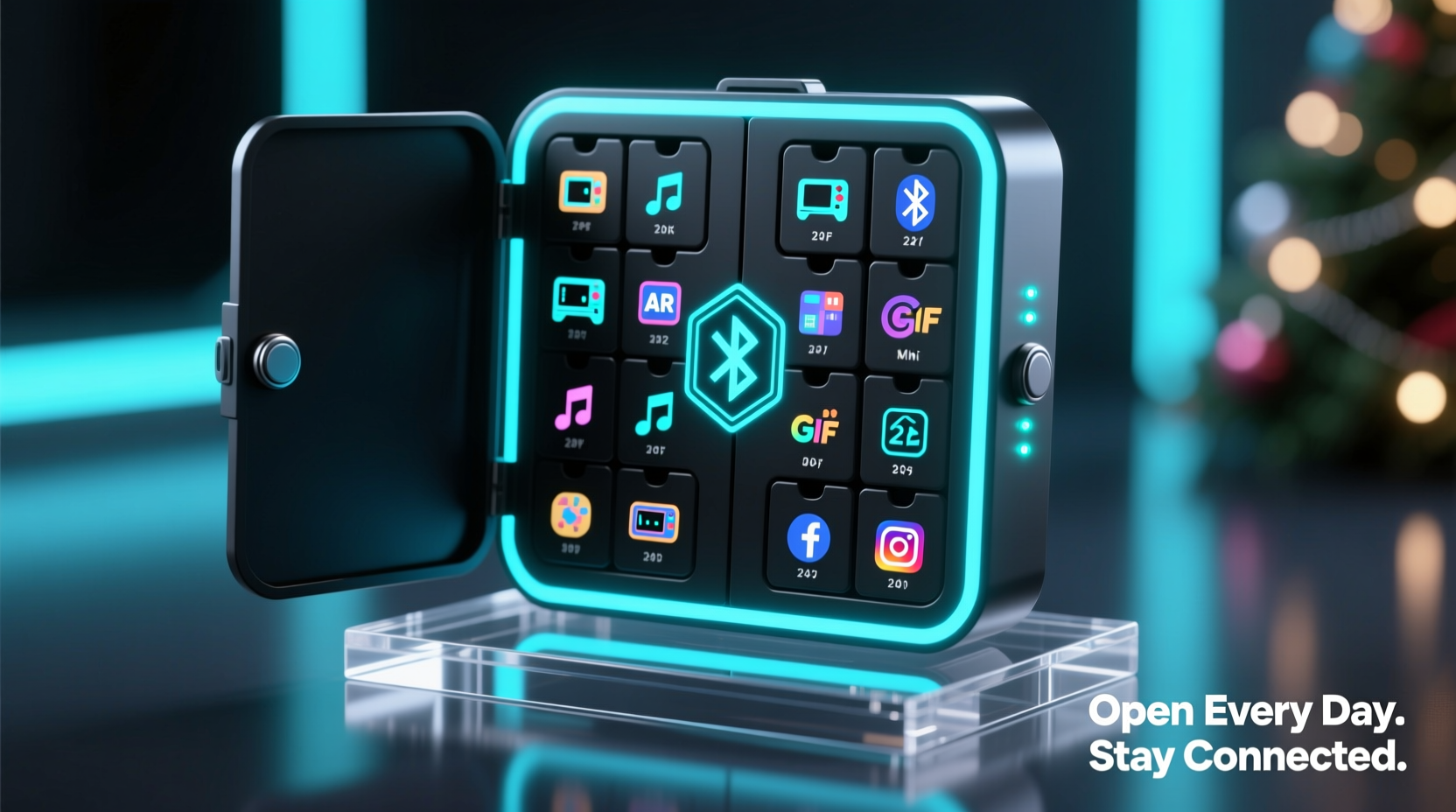
Teenagers today are digital natives. Their expectations around interactivity, personalization, and instant feedback shape how they engage with everything—from entertainment to education. This shift has naturally influenced holiday rituals. The classic advent calendar, once limited by space and perishability, now benefits from wireless technology that expands what a \"gift\" can be.
Bluetooth-enabled features allow each day’s reveal to include sound-based experiences: a favorite song from childhood, a motivational quote read by a sibling, or a clue leading to a hidden present somewhere in the house. Some calendars sync with companion apps that unlock augmented reality (AR) animations or trivia challenges when a door is opened via smartphone detection.
This fusion of tactile tradition and digital delight resonates strongly with teens who value both sentimentality and innovation. According to a 2023 consumer trends report by YouthLogic Insights, over 68% of teens said they preferred receiving experiential or tech-integrated gifts over conventional ones during the holidays.
“Technology doesn’t replace tradition—it reinvents it. When teens hear a recorded message from their grandparent on Day 12 or solve a Bluetooth-triggered puzzle, they’re not just opening a box. They’re building memories.” — Dr. Lena Torres, Child Development & Technology Researcher, University of Michigan
How Bluetooth Surprises Work in Advent Calendars
At its core, a Bluetooth-enhanced advent calendar uses small, low-energy transmitters embedded behind each numbered compartment. When the door opens—either manually or through motion detection—the device sends a signal to a paired smartphone or tablet, triggering a specific action.
These actions vary widely depending on the design:
- Playing an audio message recorded by a family member
- Unlocking a digital coupon (e.g., “Movie Night with Mom”)
- Starting a countdown timer for a real-world event
- Revealing a riddle that leads to another location in the home
- Activating smart lights or sounds in another room
The experience is often managed through a dedicated mobile app where creators can pre-load content for each day. Some advanced models use geofencing so that certain days only unlock when the teen arrives home from school, adding suspense and structure to the ritual.
Designing Your Own Interactive Calendar: A Step-by-Step Guide
Creating a custom Bluetooth-powered advent calendar may sound complex, but with accessible tools and planning, it’s achievable—even for non-tech experts. Here’s a practical timeline to follow:
- Week 1: Define the Theme and Structure
Select a unifying theme—such as “Adventure Awaits,” “Music Through the Years,” or “Acts of Kindness.” Decide whether the calendar will be physical (with 24 boxes) or digital (app-based), or a hybrid. - Week 2: Choose Your Tech Platform
Purchase a programmable Bluetooth beacon kit (like those from Adafruit or Samsung’s Artik) or use existing smart devices (e.g., Tile stickers, Apple AirTags with creative workarounds). Pair them with an app builder such as Thunkable or MIT App Inventor to create simple trigger logic. - Week 3: Prepare Daily Content
Record voice memos, write riddles, schedule Spotify playlists, or draft e-vouchers. Ensure each day’s content aligns with the theme and builds momentum toward a final reward (e.g., a concert ticket revealed on Day 24). - Week 4: Assemble and Program
Attach Bluetooth tags behind each compartment. Label them numerically and link each to its corresponding digital action in your app. Conduct a dry run using test phones to verify triggers work reliably. - December 1: Launch the Experience
Present the calendar with instructions. Encourage daily check-ins and consider including a shared journal where the teen can reflect on each surprise.
Top Features That Make These Calendars Stand Out
Not all interactive calendars are created equal. The most engaging ones go beyond basic notifications and incorporate layered experiences. Consider integrating these standout elements:
- Personalized Audio Messages: Hearing a parent say, “I’m proud of you” or a friend recount a shared memory adds emotional depth unmatched by physical gifts.
- Progressive Storytelling: Each day advances a narrative—perhaps a mystery to solve or a journey across fictional lands—keeping teens invested throughout the month.
- Interactive Challenges: Include tasks like “Take a photo of something red today” or “Text someone a compliment,” promoting mindfulness and connection.
- Smart Home Integration: Use Bluetooth signals to trigger Philips Hue lights to flash green on success days or activate a speaker to play jingle bells when a door opens.
- Social Sharing Options: Allow opt-in sharing of daily moments to a private family group chat or Instagram story template, fostering collective joy.
| Feature | Benefit | Best For |
|---|---|---|
| Voice Messages | Emotional connection, especially for distant relatives | Families with members abroad |
| Digital Coupons | Encourages real-world bonding (e.g., “Bake Cookies Together”) | Parents wanting quality time |
| Riddle-Based Unlocks | Mental stimulation and problem-solving fun | Teens who love puzzles |
| Spotify Playlist Triggers | Curated musical journey reflecting the teen’s taste | Music-loving recipients |
| AR Animations | Visual wow factor and gamification | Teens engaged with digital art or gaming |
Real Example: The Thompson Family’s Digital-Native Christmas Countdown
The Thompsons, a family from Portland, Oregon, wanted to make the holiday season more meaningful for their 15-year-old daughter, Maya, who had grown indifferent to traditional decorations and gifts. Last year, they designed a Bluetooth-powered advent calendar themed “Maya’s Year in Review.”
Each day, opening a compartment triggered a different audio clip: her soccer coach praising her teamwork, a snippet from her first piano recital, and voice notes from friends recalling inside jokes. On Day 10, the app prompted her to watch a short video montage of photos from the past year. Day 17 led her on a scavenger hunt to find a wrapped gift using GPS clues sent to her phone.
By December 24, Maya wasn’t just counting down to presents—she was reflecting on growth, relationships, and joyful moments she’d nearly forgotten. Her mother noted, “She started looking forward to morning routines in a way we hadn’t seen since she was little.”
Checklist: Building a Successful Bluetooth Advent Calendar
✅ Pre-Launch Checklist for Interactive Advent Calendars
- Choose a compelling theme aligned with the teen’s interests
- Select reliable Bluetooth hardware compatible with iOS/Android
- Install and test the companion app on target devices
- Create and upload all daily content (audio, text, links) ahead of time
- Label each Bluetooth tag clearly to match calendar days
- Verify signal range and pairing stability in the intended environment
- Include clear user instructions and troubleshooting tips
- Plan a backup method (e.g., manual code entry) if Bluetooth fails
- Conduct a full run-through from Day 1 to Day 24
- Add a closing message or final celebration prompt on Day 25
Common Pitfalls and How to Avoid Them
Even well-designed tech projects can stumble without proper foresight. Here are common issues—and solutions:
- Battery Drain: Small Bluetooth beacons may die mid-calendar. Use models with replaceable batteries or long-life claims (e.g., 6+ months).
- Connectivity Failures: Walls, interference, or outdated OS versions can block signals. Always test in the actual usage environment.
- Overcomplication: Too many steps or confusing interfaces reduce engagement. Keep the interaction intuitive—tap-to-play is better than multi-screen navigation.
- Privacy Concerns: Avoid recording sensitive conversations or tracking location without consent. Be transparent about data usage.
FAQ
Can I create a Bluetooth advent calendar without coding skills?
Yes. Platforms like Zapier, IFTTT, and no-code app builders (e.g., Glide, Adalo) allow you to set up Bluetooth triggers and responses using drag-and-drop logic. Many Bluetooth tags also come with user-friendly companion apps that require minimal technical knowledge.
What if my teen doesn’t have a smartphone?
You can adapt the experience using a shared family tablet or integrate with smart speakers. For example, a Bluetooth signal could trigger an Alexa routine that says, “Day 5’s surprise is ready!” followed by an audio message.
Are these calendars reusable?
Some components are. While daily physical contents (like notes or small items) are typically single-use, the Bluetooth modules, app framework, and calendar structure can be reused annually with new content. Consider designing a durable base model you can reprogram each year.
Conclusion: Reimagining Tradition for a New Generation
Interactive advent calendars with Bluetooth surprises represent more than a clever gimmick—they’re a thoughtful evolution of holiday ritual. By merging tactile discovery with digital storytelling, they speak directly to the values of today’s teens: authenticity, personalization, and meaningful interaction.
Whether you’re a parent hoping to reconnect, a teacher building classroom spirit, or a friend sending seasonal cheer, this format offers a powerful way to show you understand what matters to young people now—not just what they want, but how they want to feel.
The effort you put into crafting these daily moments doesn’t go unnoticed. In fact, it often becomes part of the story they tell later: “Remember that year my mom made the calendar that played songs from every grade?” Those are the traditions that last.




 浙公网安备
33010002000092号
浙公网安备
33010002000092号 浙B2-20120091-4
Comments
No comments yet. Why don't you start the discussion?