
Intermittent fasting has become one of the most popular lifestyle interventions for weight loss, improved metabolic health, and increased mental clarity. But despite its widespread adoption, a common question persists: how long does it actually take to see results? The answer isn’t universal—it depends on individual physiology, fasting protocol, diet quality, activity level, and consistency. However, understanding the typical progression can help set realistic expectations and sustain motivation.
Unlike crash diets that promise overnight transformations, intermittent fasting works by aligning with your body’s natural metabolic rhythms. It shifts energy utilization from glucose-based to fat-based metabolism, triggering processes like autophagy, insulin sensitivity improvement, and hormonal balance. These changes don’t happen instantly, but they are sustainable when practiced correctly.
Understanding the Phases of Intermittent Fasting Results
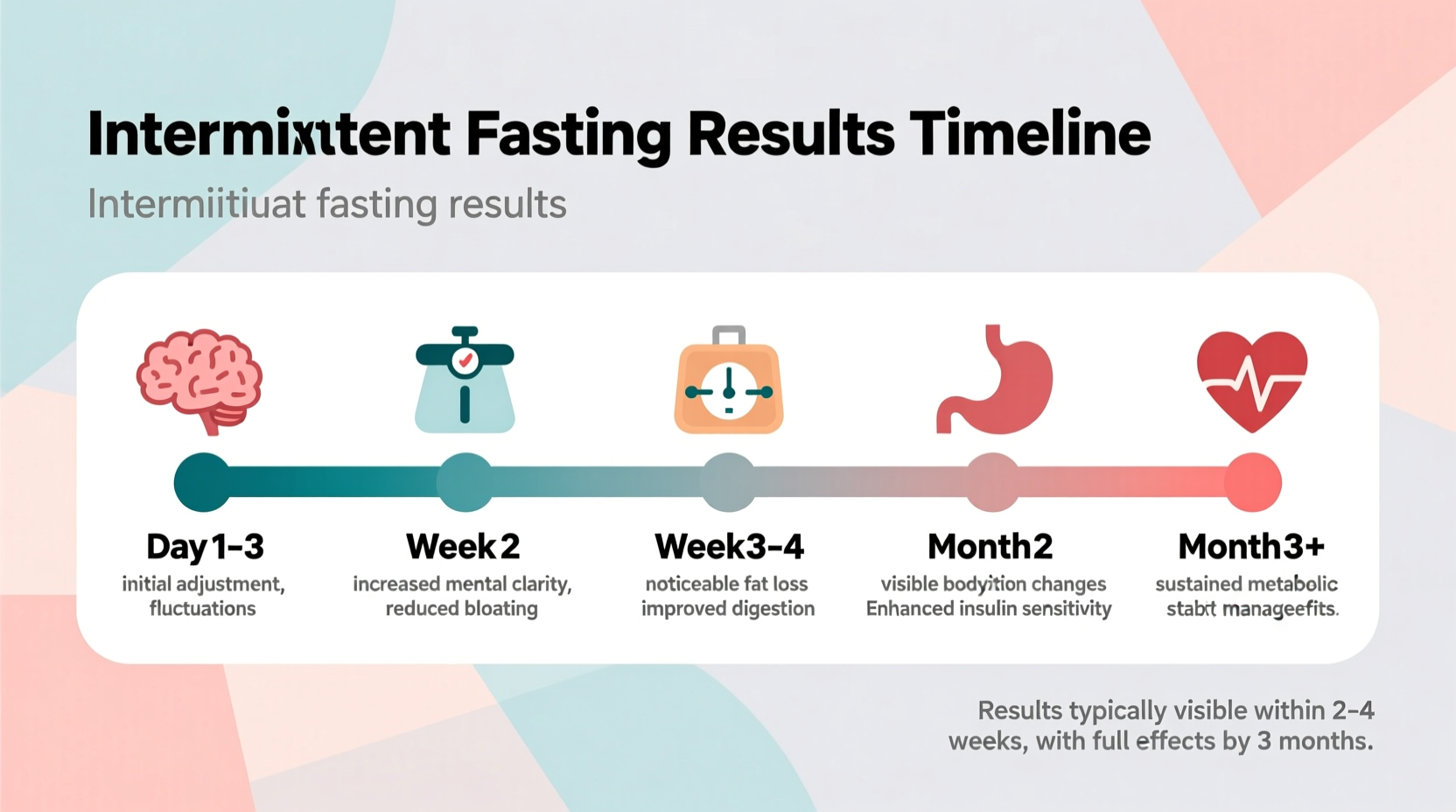
The timeline for seeing results from intermittent fasting can be broken down into four distinct phases: adaptation, initial changes, noticeable transformation, and long-term benefits. Each phase comes with physical, metabolic, and psychological shifts.
Phase 1: Days 1–7 – The Adaptation Period
In the first week, your body adjusts to reduced eating frequency. Many people experience hunger pangs, irritability, or fatigue as insulin levels drop and the body transitions from burning glucose to tapping into glycogen stores. This is normal and temporary.
During this stage, you may notice slight water weight loss due to decreased carbohydrate intake and lower insulin levels, which reduce fluid retention. However, true fat loss has not yet begun in earnest. Energy levels often dip initially but tend to stabilize by day 5–7 for most individuals.
Phase 2: Week 2–4 – Initial Physical Changes
By the second week, your body begins shifting into fat-burning mode. Glycogen stores are depleted, and ketone production increases, especially if your eating window includes whole, low-carb foods. This marks the beginning of actual fat loss.
Visible changes at this stage vary but often include:
- Slight reduction in waist circumference
- Improved digestion and reduced bloating
- More stable energy levels throughout the day
- Sharper mental focus, particularly in the morning
A 2020 study published in Nutrition and Healthy Aging found that participants practicing 16:8 intermittent fasting lost an average of 3% of their body weight over 12 weeks, with measurable changes appearing around week 3–4.
Phase 3: Weeks 5–8 – Noticeable Transformation
This is when most people begin to see tangible results. Fat loss becomes more consistent, clothing fits better, and facial definition may improve. Blood markers such as fasting insulin, LDL cholesterol, and triglycerides often show improvement during this period, especially when combined with a nutrient-dense diet.
Muscle preservation is also critical here. Without adequate protein intake and resistance training, some lean mass loss can occur. However, studies suggest that intermittent fasting preserves muscle better than continuous calorie restriction when protein intake is sufficient.
“After about six weeks of consistent fasting and balanced nutrition, patients report not just weight loss but improved sleep, mood, and even joint pain reduction.” — Dr. Krista Varady, Associate Professor of Nutrition at the University of Illinois, author of *The Every Other Day Diet*
Phase 4: Month 3 and Beyond – Sustained Benefits
By the third month, many individuals achieve significant milestones—10+ pounds lost, improved lab results, or resolution of mild insulin resistance. Long-term practitioners often report deeper benefits such as enhanced cellular repair (autophagy), reduced inflammation, and better appetite regulation.
At this stage, fasting becomes less of a challenge and more of a lifestyle. Hunger cues normalize, cravings diminish, and metabolic flexibility—the ability to switch between fuel sources—improves dramatically.
Factors That Influence How Fast You See Results
Not everyone experiences the same pace of change. Several key variables determine how quickly results appear.
Diet Quality During Eating Windows
Fasting doesn't give free rein to eat junk food. Consuming processed foods high in sugar and refined carbs during your eating window undermines fat loss and metabolic health. Real progress depends on nutrient density—prioritizing whole foods like vegetables, lean proteins, healthy fats, and complex carbohydrates.
Type of Fasting Protocol
Different methods yield different outcomes based on intensity and frequency:
| Method | Typical Start of Visible Results | Best For |
|---|---|---|
| 16:8 (Daily Time-Restricted Eating) | 3–6 weeks | Sustainable weight loss, beginners |
| 18:6 or 20:4 (Warrior Diet-style) | 2–5 weeks | Accelerated fat loss, intermediate users |
| 5:2 (Two days of 500–600 calories weekly) | 4–8 weeks | Blood sugar control, moderate restriction |
| Alternate-Day Fasting | 2–4 weeks | Rapid results, experienced fasters |
Starting Weight and Body Composition
Individuals with higher body fat percentages often see faster initial weight loss because there's more stored energy available. Conversely, leaner individuals may take longer to notice visual changes, though internal health markers still improve.
Sleep, Stress, and Hormonal Balance
Poor sleep and chronic stress elevate cortisol, which can hinder fat loss and increase abdominal fat storage. Cortisol also intensifies hunger, making adherence harder. Managing stress through mindfulness, quality sleep, and regular movement supports faster, more consistent results.
Step-by-Step Timeline: What to Expect Week by Week
Here’s a realistic, evidence-based timeline of what happens in your body and what you might observe externally and internally.
- Week 1: Adaptation phase. Hunger spikes, possible fatigue, minor water weight loss (1–3 lbs).
- Week 2: Insulin sensitivity improves. Digestion stabilizes. Some notice looser clothes.
- Week 3: Fat oxidation increases. First real fat loss begins (~0.5–1 lb per week).
- Week 4: Energy levels rise. Skin may appear clearer. Lab tests may show improved lipids.
- Week 5–6: Visible slimming, especially around waist and face. Strength training yields better results.
- Week 7–8: Clothing fits noticeably better. Mood and focus improve. Cravings decrease.
- Month 3: 5–10% body weight loss possible. Metabolic markers optimized. Autophagy effects accumulate.
- Month 4+: Maintenance mode. Sustainable habits solidified. Longevity benefits begin to accrue.
Mini Case Study: Sarah’s 12-Week Journey
Sarah, a 38-year-old office worker, began intermittent fasting using the 16:8 method after gaining 25 pounds post-pandemic. Her routine included breakfast at 8 AM and dinner by 4 PM, with meals rich in vegetables, grilled chicken, avocado, and quinoa.
She struggled the first five days—headaches, afternoon fatigue, and strong cravings. She added a pinch of sea salt to her water and started walking 20 minutes daily, which helped significantly.
By week 3, she noticed her rings felt looser. At week 6, she lost 7 pounds and her blood pressure dropped from 138/88 to 124/78. By week 12, she had lost 14 pounds, her energy was steady, and she no longer needed afternoon coffee.
Her doctor noted improved HDL cholesterol and reduced liver enzymes, indicating better metabolic health. “I didn’t just lose weight,” she said. “I feel like my body finally reset.”
Checklist for Maximizing Results and Seeing Changes Faster
To ensure you’re optimizing your intermittent fasting journey, follow this actionable checklist:
- ✅ Choose a sustainable fasting window (start with 14:10 if 16:8 feels too hard)
- ✅ Prioritize protein (aim for 0.8–1g per pound of body weight)
- ✅ Stay hydrated with water, herbal tea, or electrolyte drinks (no sugar)
- ✅ Avoid snacking outside your eating window—even small bites break the fast
- ✅ Include strength training 2–3 times per week to preserve muscle
- ✅ Get 7–8 hours of quality sleep nightly
- ✅ Track non-scale victories: energy, focus, clothing fit, mood
- ✅ Be consistent—minimum 12 days to assess real progress
Frequently Asked Questions
Can I see results in just one week?
You may see water weight loss and reduced bloating within a week, but meaningful fat loss typically takes 3–4 weeks. Early changes are mostly fluid shifts due to lowered insulin and carb intake.
Why am I not losing weight after two weeks of fasting?
Several factors could be at play: undereating leading to metabolic slowdown, overeating during the eating window, lack of protein, poor sleep, or high stress. Also, muscle gain can offset fat loss on the scale. Consider measuring waist size or taking photos instead.
Does intermittent fasting work differently for women?
Yes. Some women, especially those with hormonal imbalances or under high stress, may experience disrupted cycles or increased cortisol from aggressive fasting (e.g., 20:4 or alternate-day). Women often respond better to gentler protocols like 14:10 or 16:8, especially when starting out.
Expert Insight: What Science Says About Timing
Dr. Satchidananda Panda, a leading circadian rhythm researcher at the Salk Institute, emphasizes timing as a crucial factor: “Eating aligned with your circadian clock—finishing meals earlier in the day—boosts fat burning and improves metabolic health faster than late eating, even with the same fasting duration.”
“People who stop eating by 6 PM show better glucose control and lose more visceral fat than those who fast the same hours but eat later.” — Dr. Satchin Panda, author of *The Circadian Code*
This means that not just the length of the fast, but the alignment with your body’s internal clock, influences how quickly you see results.
Conclusion: Patience, Consistency, and Realistic Goals
Intermittent fasting is not a quick fix—it’s a metabolic retraining process. Most people begin to see physical changes between 3 and 6 weeks, with deeper health improvements unfolding over months. The key is consistency, proper nutrition, and attention to lifestyle factors like sleep and stress.
If you're just starting out, give yourself at least four weeks before judging effectiveness. Focus on how you feel—more energy, better digestion, fewer cravings—as much as the number on the scale. These are signs your body is adapting and healing.




 浙公网安备
33010002000092号
浙公网安备
33010002000092号 浙B2-20120091-4
Comments
No comments yet. Why don't you start the discussion?