
For users still holding onto an iPhone 7 Plus in 2024, the question isn’t just about desire—it’s about practicality. Apple released the iPhone 7 Plus back in 2016, a device that defined reliability for its era. The iPhone 11 Pro Max arrived two years later in 2019, bringing flagship-tier power, triple cameras, and OLED brilliance. Now, nearly five years after its debut and seven years after the 7 Plus launched, is upgrading from the older model to the 11 Pro Max still worthwhile?
The answer depends on your needs, expectations, and how deeply you rely on your phone for daily tasks. This isn’t just a specs showdown—it’s a real-world evaluation of longevity, usability, and whether spending money now pays off in actual experience.
Performance: Night and Day Difference
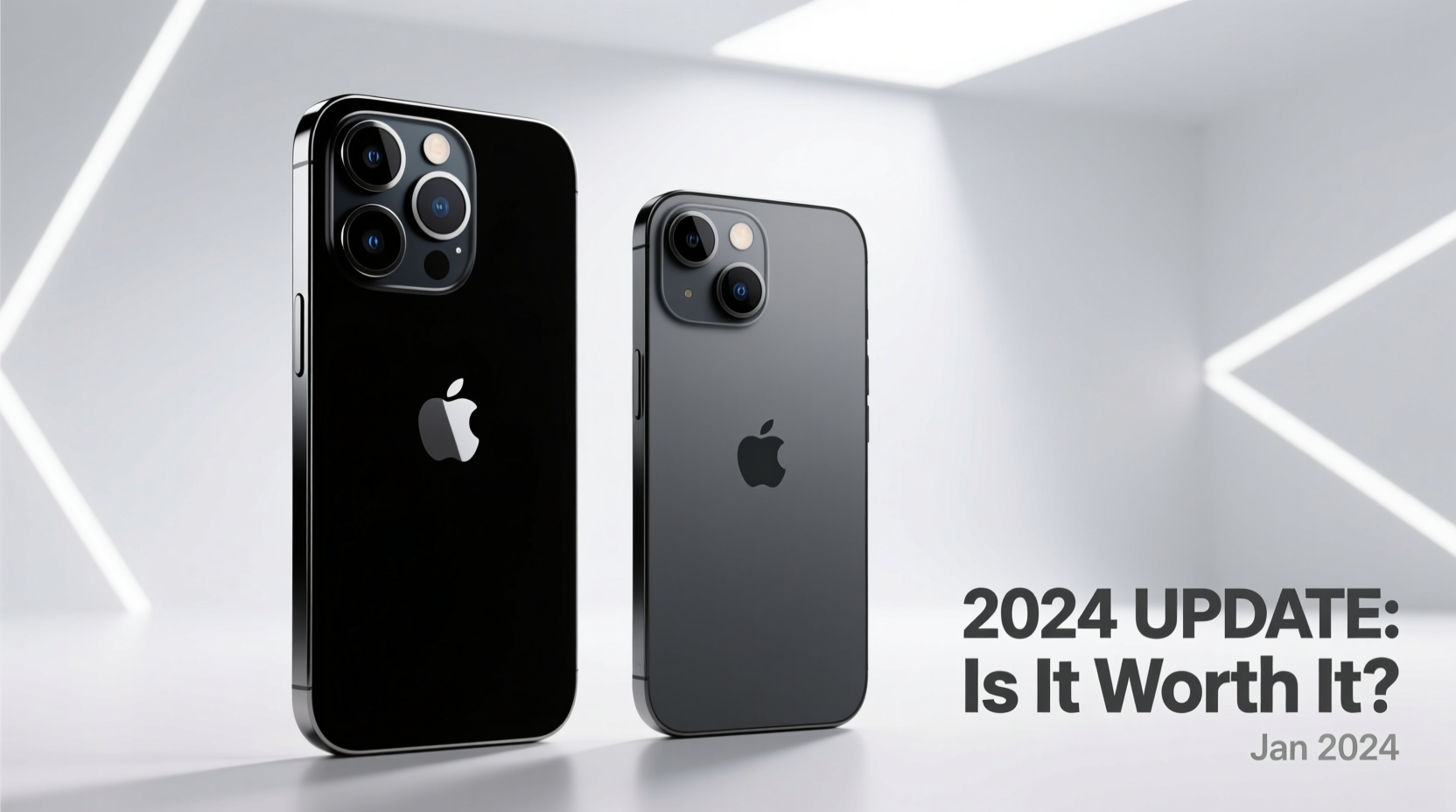
The most immediate shift between these two devices lies in processing power. The iPhone 7 Plus runs on the A10 Fusion chip, a solid performer in its time but now struggling with multitasking, app loading times, and background processes. In contrast, the iPhone 11 Pro Max features the A13 Bionic chip—one of Apple’s most efficient and long-lasting processors, still capable of handling iOS 17 smoothly.
Opening apps, switching between Safari tabs, editing photos, or even scrolling through social media feels dramatically faster on the 11 Pro Max. The difference becomes especially noticeable when using augmented reality apps, video editing tools, or any software that demands sustained performance.
Apple continues to support the 11 Pro Max with new iOS updates, while the 7 Plus stopped receiving major updates after iOS 16. That means security patches, new features, and compatibility with modern apps are no longer guaranteed on the older device.
Camera Capabilities: From Good to Professional
The iPhone 7 Plus was one of the first iPhones to introduce dual rear cameras—a wide and telephoto lens—enabling optical zoom and Portrait Mode. It captured sharp images in daylight and held up well for casual photography. But by today’s standards, its sensor, dynamic range, and low-light performance fall short.
The iPhone 11 Pro Max upgraded to a triple-camera system: ultra-wide, wide, and telephoto lenses. This gives far greater creative flexibility. You can capture sweeping landscapes with the ultra-wide lens, get crisp close-ups without losing quality, and shoot in Night mode across all three lenses—even the front-facing camera benefits from Night mode.
| Feature | iPhone 7 Plus | iPhone 11 Pro Max |
|---|---|---|
| Rear Cameras | Dual: 12MP Wide + 12MP Telephoto | Triple: 12MP Ultra-Wide + 12MP Wide + 12MP Telephoto |
| Front Camera | 7MP | 12MP (supports 4K video & Slofies) |
| Night Mode | No | Yes (on all rear & front cameras) |
| Video Recording | 4K at 30fps | 4K at 60fps, extended dynamic range, cinematic stabilization |
| Smart HDR | No | Yes (second-gen) |
In practical terms, if you take photos regularly—whether for memories, social media, or remote work—the 11 Pro Max delivers visibly better results. Colors are more accurate, details are preserved in shadows and highlights, and low-light shots are usable without flash.
“Even under dim lighting, the 11 Pro Max produces images that feel like they were taken during the day.” — David Lin, Mobile Photographer & Tech Reviewer
Battery Life and Charging: A Real Game-Changer
The iPhone 7 Plus offered decent battery life for its time—around 10–12 hours of mixed usage. However, after years of charging cycles, most existing units have degraded batteries, leading to inconsistent performance and frequent charging needs.
The iPhone 11 Pro Max boasts up to 20 hours of video playback, effectively doubling the endurance. Users report easily lasting a full day with heavy use, including navigation, streaming, and photo editing. Additionally, it supports fast charging (up to 50% in 30 minutes with an 18W adapter or higher) and wireless charging—features absent on the 7 Plus.
This leap in battery technology changes how you interact with your phone. No longer tethered to power banks or outlets, you gain freedom during travel, workdays, or outdoor activities.
Real Example: Daily Use Comparison
Consider Sarah, a freelance graphic designer who used her iPhone 7 Plus for client communication, mood board creation, and capturing product references. By midday, her battery would drop below 30%, forcing her to carry a charger. App crashes during image exports became common. After upgrading to the 11 Pro Max, she completed a full workday without recharging, edited high-res images seamlessly, and delivered sharper visuals thanks to improved camera quality. Her workflow improved not because of flashy features, but due to consistent reliability.
Display and Design: Modern Feel Meets Durability
The iPhone 7 Plus features a 5.5-inch LCD Retina HD display with thick bezels and a physical Home button. While durable and water-resistant (IP67), it feels dated next to the 11 Pro Max’s 6.5-inch Super Retina XDR OLED display. The latter offers deeper blacks, brighter whites, higher contrast, and true HDR support for streaming services like Netflix and Apple TV+.
The design shift also brings Face ID, eliminating the Home button and enabling edge-to-edge screen interaction. Though some users prefer Touch ID, Face ID has proven reliable and secure over time, especially with mask-compatible unlocking introduced in later iOS versions.
The 11 Pro Max also improves water resistance to IP68 (deeper and longer submersion protection), making it more resilient in wet conditions.
Is the Upgrade Worth It in 2024?
Let’s be realistic: the iPhone 11 Pro Max is no longer Apple’s newest model. It was succeeded by the 12, 13, 14, and now 15 series. However, as a secondhand or refurbished option, it remains a compelling upgrade from the 7 Plus—especially at reduced prices.
If you're currently facing any of the following, the upgrade makes strong financial and functional sense:
- Frequent app crashes or slow loading times
- Inability to install newer apps or updates
- Poor photo quality in low light
- Need to charge multiple times per day
- Desire for Face ID, better screen, or modern iOS features
Step-by-Step Guide to Deciding Your Upgrade Path
- Evaluate current pain points: List what frustrates you about your 7 Plus (e.g., slow apps, poor battery).
- Test drive a 11 Pro Max: Visit an Apple Store or authorized reseller to handle one in person.
- Check iOS compatibility: Confirm which features you’d gain (e.g., Dark Mode, Focus, Live Text).
- Compare pricing: Look at certified refurbished models from Apple, Amazon Renewed, or Swappa.
- Back up your 7 Plus: Use iCloud or iTunes to ensure a smooth transition.
- Transfer data: Restore from backup during setup on the new device.
FAQ
Can the iPhone 7 Plus still run modern apps?
Some lighter apps still work, but many newer versions require iOS 14 or higher, which the 7 Plus doesn’t support beyond iOS 16. Apps like TikTok, Instagram, and banking platforms may become unstable or stop updating entirely.
Will the iPhone 11 Pro Max get iOS 18?
While not officially confirmed, historical patterns suggest the A13 chip may not support iOS 18. If so, iOS 17 could be its final update—still offering two more years of security patches post-2024.
Is repairing my iPhone 7 Plus a better option?
Replacing the battery or screen might extend its life slightly, but hardware limitations remain. You’ll still face performance bottlenecks and lack of future software support. For most users, upgrading provides better long-term value.
Final Verdict: Yes, With Caveats
Upgrading from the iPhone 7 Plus to the 11 Pro Max in 2024 is absolutely worth it—if you find the 11 Pro Max at a reasonable price. You’re not chasing cutting-edge tech; you’re bridging a six-year gap in mobile evolution. The improvements in speed, camera quality, battery life, and overall user experience are transformative.
However, don’t expect miracles. The 11 Pro Max lacks 5G, has a heavier build, and won’t receive new iOS versions indefinitely. But for someone coming from a 2016 device, it feels like stepping into the present.
“The best upgrade isn’t always the newest phone—it’s the one that finally removes friction from your daily routine.” — Lena Park, Senior Editor at MobileEdge Weekly
Take Action Today
If your iPhone 7 Plus is holding you back, now is the time to act. Explore certified pre-owned options, trade-in programs, or family plan upgrades. Don’t let nostalgia keep you stuck in outdated technology. A smoother, faster, more capable iPhone experience awaits—and it might cost less than you think.




 浙公网安备
33010002000092号
浙公网安备
33010002000092号 浙B2-20120091-4
Comments
No comments yet. Why don't you start the discussion?