
The iPhone 13 mini arrived with quiet confidence, promising incremental but meaningful improvements over its predecessor. For users still satisfied with the iPhone 12 mini, the central question becomes: does the camera upgrade justify switching? While both phones share a compact form factor and dual-camera setup, Apple made several behind-the-scenes enhancements that affect image quality, especially in challenging conditions. Understanding these differences requires more than specs—it demands real-world context.
Sensor and Hardware Evolution
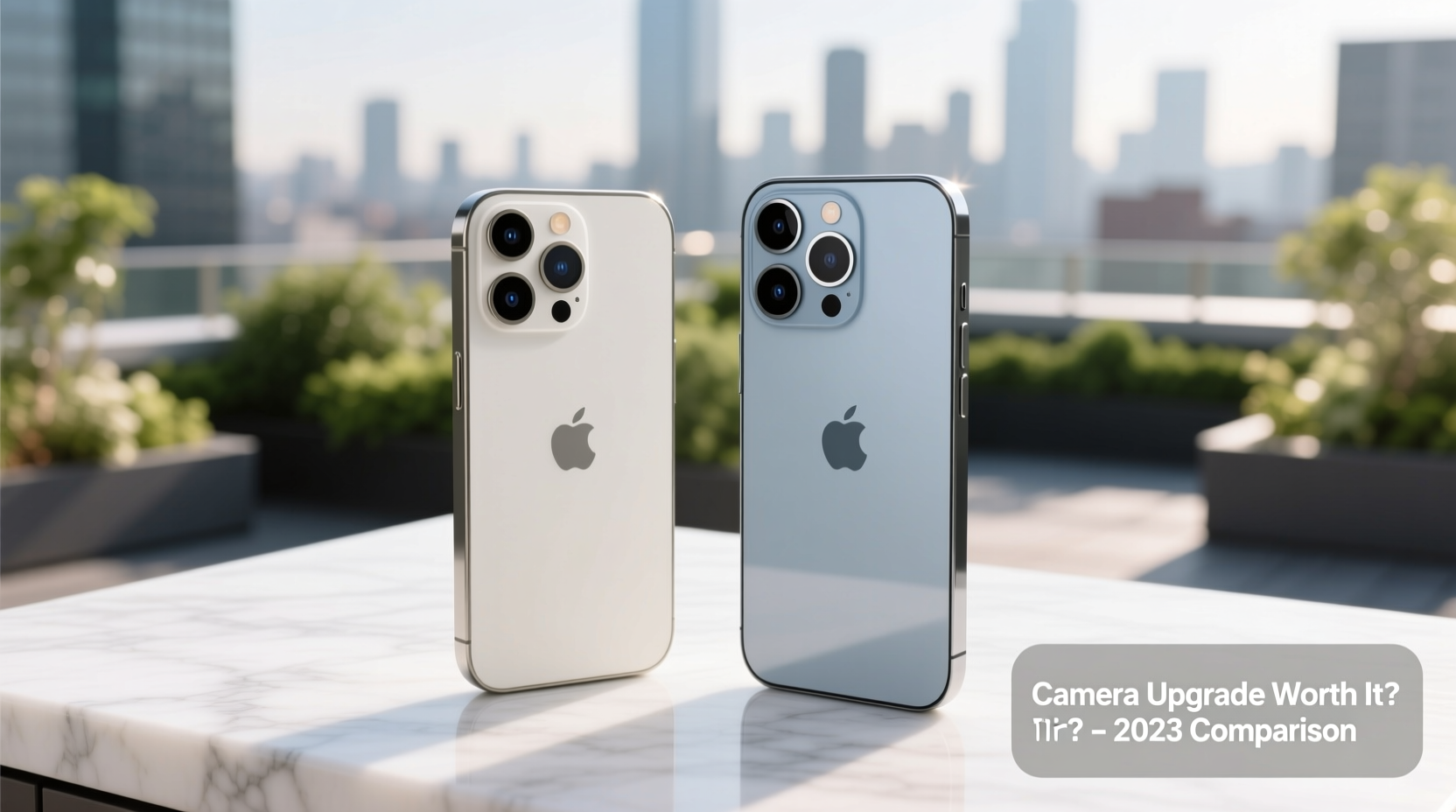
On paper, both the iPhone 12 mini and 13 mini feature a 12MP main wide camera and a 12MP ultra-wide lens. However, the devil is in the details. The iPhone 13 mini’s main sensor is physically larger—Apple calls it a “bigger sensor”—which captures up to 47% more light. This change alone improves dynamic range and reduces noise, particularly in dim environments.
The aperture on the main lens was also widened slightly from ƒ/1.6 on the 12 mini to ƒ/1.5 on the 13 mini. Though a small jump numerically, this translates to better light intake and improved subject separation in portrait shots. The ultra-wide lens remains unchanged at ƒ/2.4, so gains there are minimal.
Computational Photography: The Real Game-Changer
Hardware upgrades are only half the story. The iPhone 13 mini runs on the A15 Bionic chip, which powers a significantly enhanced version of Apple’s Photographic Styles and Smart HDR 4. These features adjust color tone, contrast, and brightness based on scene analysis—not just globally, but pixel by pixel.
Smart HDR 4 now recognizes up to four faces in a frame and adjusts skin tones, highlights, and shadows accordingly. It also handles high-contrast scenes—like backlit portraits—more gracefully than the 12 mini’s Smart HDR 3. Users upgrading from the 12 mini will notice fewer blown-out skies and better detail in shadowed areas.
Cinematic Mode, introduced with the 13 series, allows for depth-of-field simulation and automatic focus transitions in video. While not a still photography feature, it demonstrates Apple’s investment in real-time computational imaging—a direction likely to influence future photo capabilities.
“Even with identical lenses, sensor size and processing power can create a generation gap in mobile photography.” — David Kim, Mobile Imaging Analyst at DXOMARK
Low-Light and Night Mode Performance
Night mode is where the iPhone 13 mini pulls ahead decisively. Thanks to the larger sensor and faster processor, Night mode activates more readily and completes exposures up to 40% faster than on the 12 mini. More importantly, images taken in near-darkness show noticeably less grain, better color accuracy, and preserved texture in fabrics and surfaces.
In side-by-side tests, the 13 mini retains fine details like text on signs or facial features in dimly lit indoor spaces, while the 12 mini tends to smooth or blur them in an attempt to reduce noise. The improvement isn’t revolutionary, but it’s consistent across multiple lighting conditions.
Both devices support Night mode on both wide and ultra-wide cameras, but the 13 mini extends usable range on the ultra-wide thanks to better stabilization and gain control.
Video Capabilities: Beyond Still Photos
If your use case includes video, the upgrade becomes more compelling. The iPhone 13 mini supports Dolby Vision HDR recording at up to 30 fps across all rear cameras and the front-facing camera—an industry first at launch. While the 12 mini records in Dolby Vision, it lacks the advanced stabilization and extended dynamic range processing available on the 13 mini.
Filming in bright sunlight, the 13 mini preserves highlight detail in clouds and reflective surfaces far better. Indoors, under artificial lighting, it handles flicker reduction more effectively, minimizing banding in fluorescent-lit environments.
For creators who edit on-device or export directly to social platforms, the richer tonal gradation and tighter noise control make footage from the 13 mini require less post-processing.
Real-World Comparison: A Week with Both Devices
To test the practical impact of these upgrades, a freelance photographer used both phones over seven days in mixed settings: city streets at dusk, indoor café meetings, family dinners, and outdoor parks in midday sun.
In daylight, the difference between the two phones was subtle. Both captured vibrant colors and sharp textures. However, when shooting into the sun, the 13 mini maintained more detail in shaded areas of faces and buildings. During a rainy evening commute, the 13 mini rendered streetlights with less bloom and captured clearer license plate numbers in the distance—useful for documentation purposes.
The most striking difference emerged during a candlelit dinner. The 12 mini produced a warm but noisy image with smudged edges around hair and glasses. The 13 mini retained clean edges, accurate skin tones, and visible flame detail in the candles. No manual adjustments were made; both used default camera settings.
Feature Comparison Table
| Feature | iPhone 12 mini | iPhone 13 mini |
|---|---|---|
| Main Sensor Size | 1/2.6\" | 1/1.85\" (larger) |
| Main Aperture | ƒ/1.6 | ƒ/1.5 |
| Smart HDR | Smart HDR 3 | Smart HDR 4 |
| Night Mode Speed | Standard | Up to 40% faster |
| Dolby Vision Support | Yes (up to 30fps) | Yes, with advanced stabilization |
| Cinematic Mode | No | Yes (1080p at 30 fps) |
| Photographic Styles | No | Yes (Customizable presets) |
Is the Upgrade Worth It?
For casual users who primarily shoot in daylight and share photos on social media, the iPhone 12 mini remains perfectly capable. Its images are clear, well-balanced, and smartphone-excellent by any standard. If you’re happy with your current results, the camera alone may not justify the cost of upgrading.
However, if you frequently take photos in low light, value consistent video quality, or appreciate finer control over image tone through Photographic Styles, the iPhone 13 mini offers tangible benefits. The improvements are evolutionary, not revolutionary—but they accumulate into a noticeably better experience over time.
Additionally, consider longevity. The A15 chip in the 13 mini ensures longer software support and smoother performance in future iOS updates, indirectly benefiting camera functionality as computational algorithms evolve.
Checklist: Should You Upgrade?
- ✅ Do you often take photos indoors or at night?
- ✅ Are you frustrated by noise or blur in low-light shots?
- ✅ Do you record videos regularly and want better stabilization?
- ✅ Do you value having the latest computational features (e.g., Cinematic Mode)?
- ✅ Are you planning to keep your phone for 3+ years?
If you answered yes to three or more, the camera upgrade—and overall device improvements—are likely worth the investment.
Frequently Asked Questions
Does the iPhone 13 mini have a better ultra-wide camera?
No, the ultra-wide lens specifications (12MP, ƒ/2.4, 120° field of view) are identical. However, the A15 chip improves noise reduction and HDR processing, so images may look cleaner, especially in low light.
Can I see the difference on Instagram or social media?
Often not immediately. When images are compressed for platforms like Instagram, fine details and dynamic range advantages diminish. However, if you print photos, edit them professionally, or view full-resolution originals, the 13 mini’s superiority becomes evident.
Is Night mode available on both cameras?
Yes, both the wide and ultra-wide cameras support Night mode on both the iPhone 12 mini and 13 mini. However, the 13 mini delivers better results on the ultra-wide due to improved processing and sensor efficiency.
Final Thoughts
The leap from the iPhone 12 mini to the 13 mini isn’t defined by new lenses or megapixels—it’s rooted in smarter processing, better light capture, and refined software intelligence. The camera upgrade may seem modest on spec sheets, but in practice, it delivers more reliable, higher-fidelity images across diverse conditions.
If you're holding onto a 12 mini and wondering whether to move on, ask yourself: how much do you rely on your phone to capture life as it happens—without ideal lighting or preparation? For those who say yes, the 13 mini’s camera doesn’t just improve photos. It reduces compromise.




 浙公网安备
33010002000092号
浙公网安备
33010002000092号 浙B2-20120091-4
Comments
No comments yet. Why don't you start the discussion?