
When Apple released the iPhone 13 Pro, it didn’t just iterate—it redefined mobile photography. For owners of the iPhone 12 Pro, the question isn’t whether the new model is better, but whether the improvements are substantial enough to justify the upgrade. The camera is often the deciding factor, especially for users who rely on their phones for travel, social media, or professional content creation. Let’s cut through the marketing and examine the real differences between these two generations.
Sensor Upgrades and Low-Light Performance
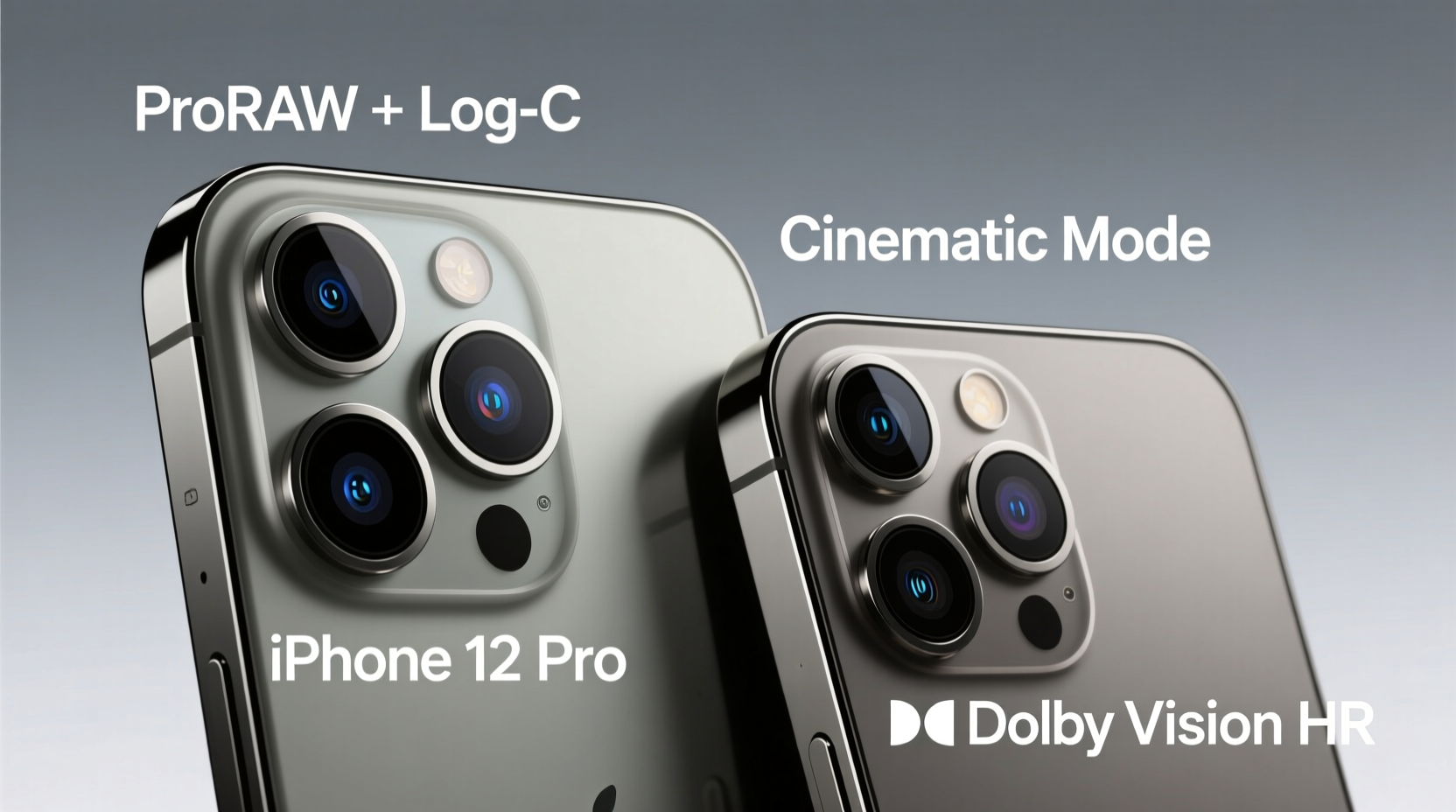
The most significant change in the iPhone 13 Pro’s camera system is the larger sensor on the main wide lens. Apple increased the sensor size by 47% compared to the 12 Pro, allowing more light capture and improved dynamic range. This translates directly into better low-light photos with less noise and richer detail in shadows.
In practical terms, shooting indoors without flash or capturing cityscapes at dusk yields noticeably cleaner results on the 13 Pro. The Night mode now activates earlier and completes faster, thanks to computational enhancements from the A15 Bionic chip. Users upgrading from the 12 Pro will find that previously unusable dimly lit scenes are now photographable with natural color balance and sharpness.
While the 12 Pro already had strong low-light capabilities, the 13 Pro pushes further. In side-by-side tests, the newer model retains highlight detail in streetlights while preserving texture in dark clothing—something the 12 Pro tends to lose in high-contrast night shots.
Zoom and Telephoto Capabilities Compared
Both models feature a 2x optical telephoto lens, so there’s no difference in native zoom reach. However, the 13 Pro introduces Sensor-shift Optical Image Stabilization (OIS) on the main sensor, which indirectly improves zoomed-in shots taken via digital cropping.
Apple’s “Photographic Styles” and enhanced Smart HDR 4 allow for better consistency across all lenses. When switching between ultra-wide, wide, and 2x telephoto, colors and exposure match more closely on the 13 Pro, reducing post-processing effort for creators.
Digital zoom performance up to 3x is sharper on the 13 Pro due to improved image processing. At 5x and beyond, both phones rely heavily on software interpolation, but the 13 Pro maintains slightly better edge definition and color accuracy.
“Larger sensors combined with smarter processing mean you’re not just taking pictures—you're capturing usable data.” — David Kim, Mobile Imaging Analyst at TechVisuals
Video Quality: Cinematic Mode and ProRes
If you shoot video, the iPhone 13 Pro brings game-changing features absent in the 12 Pro. The standout addition is Cinematic Mode, which applies real-time depth mapping to create shallow depth-of-field effects with automatic focus transitions. While this feature works best in good lighting, it opens creative possibilities for vloggers and indie filmmakers.
More importantly, the 13 Pro supports ProRes video recording—a format favored by professional editors for its minimal compression and color grading flexibility. The 12 Pro lacks this entirely, limiting its appeal for serious content creators.
Additionally, Dolby Vision HDR recording now extends to all four cameras (front, wide, ultra-wide, telephoto), whereas the 12 Pro only supports it on the main and front cameras. This means you can capture consistent HDR footage regardless of which lens you use.
Camera Hardware and Software Synergy
Beyond individual specs, the integration between hardware and software sets the 13 Pro apart. The A15 Bionic chip enables faster image signal processing, allowing features like Photographic Styles to apply non-destructive adjustments in real time based on user preference (e.g., rich contrast, vibrant, or neutral).
The 13 Pro also benefits from tighter lens alignment and reduced glare due to Apple’s new anti-reflective coating. In backlit conditions—such as shooting against the sun or bright indoor lights—the 13 Pro produces fewer lens flares and maintains better contrast.
One subtle but impactful improvement is the autofocus speed on the ultra-wide camera. The 12 Pro struggled with macro shots under 12 inches, often hunting for focus. The 13 Pro locks onto close subjects instantly, making macro photography reliable and fun.
Real-World Example: Travel Photography Upgrade
Sophia, a freelance travel photographer based in Lisbon, upgraded from the iPhone 12 Pro to the 13 Pro before a week-long trip through Morocco. Her goal was to document street markets, desert landscapes, and architecture—all without carrying a DSLR.
In Marrakech’s bustling souks, where lighting shifts rapidly from shadowy alleys to sun-drenched courtyards, she found the 13 Pro handled exposure transitions seamlessly. She captured detailed spice textures in low light and preserved sky detail in midday sun—shots that required bracketing on her 12 Pro.
Shooting handheld video while walking through the medina, she used Cinematic Mode to keep vendors in focus as she moved. Later, editing in Final Cut Pro, she appreciated the ProRes files’ flexibility in adjusting white balance and recovering highlights.
“The upgrade wasn’t about megapixels,” she said. “It was about confidence. I knew the phone would get the shot, even in tough conditions.”
Comparison Table: Key Camera Differences
| Feature | iPhone 12 Pro | iPhone 13 Pro |
|---|---|---|
| Main Sensor Size | Standard | 47% larger |
| OIS Type | Optical (lens-shift) | Sensor-shift OIS |
| Night Mode (All Cameras) | Yes | Yes, faster activation |
| Cinematic Mode | No | Yes (1080p at 30fps) |
| ProRes Video Recording | No | Yes (up to 4K 30fps) |
| Dolby Vision HDR (All Cameras) | Main & Front Only | All Four Cameras |
| Mono Audio Recording | Limited spatial audio | Improved spatial mic processing |
Checklist: Should You Upgrade?
- ✅ You frequently shoot in low light or mixed lighting conditions
- ✅ You value video quality and want Cinematic Mode or ProRes support
- ✅ You edit photos professionally and benefit from better dynamic range
- ✅ You use macro photography and want reliable autofocus
- ✅ You plan to keep your phone for 3+ years and want future-proof features
- ❌ You’re satisfied with current photo quality and rarely push camera limits
- ❌ You don’t edit photos or videos beyond basic sharing
Frequently Asked Questions
Does the iPhone 13 Pro have better portrait mode than the 12 Pro?
Yes. Thanks to LiDAR scanner refinements and improved depth mapping, the 13 Pro delivers more accurate edge detection and natural bokeh in Portrait mode, especially in lower light. Hair strands and glasses are rendered more realistically.
Can the iPhone 12 Pro be updated to use Cinematic Mode?
No. Cinematic Mode requires both advanced computational photography and specific hardware capabilities not present in the 12 Pro, including faster image signal processing and precise depth sensing.
Is the battery life improvement relevant for camera use?
Absolutely. The 13 Pro offers up to 2.5 hours more battery life than the 12 Pro. When shooting video, using ProRes, or taking hundreds of photos, this extended endurance ensures you won’t run out of power mid-shoot.
Final Verdict: Is the Camera Upgrade Worth It?
For casual users, the iPhone 12 Pro remains an excellent camera phone. Its images are still sharp, well-balanced, and more than sufficient for social media and personal archives. But if you regularly test the limits of mobile photography—if you shoot in challenging light, create video content, or demand professional-grade output—the iPhone 13 Pro delivers meaningful, tangible improvements.
The larger sensor, sensor-shift stabilization, ProRes, and Cinematic Mode aren’t just incremental tweaks; they represent a shift toward treating the smartphone as a legitimate imaging tool. These upgrades compound over time, reducing missed shots, simplifying editing, and expanding creative options.




 浙公网安备
33010002000092号
浙公网安备
33010002000092号 浙B2-20120091-4
Comments
No comments yet. Why don't you start the discussion?