
When Apple releases a new iPhone lineup, one of the first decisions users face isn’t just which model to buy—but what kind of case to get. With the iPhone 16 Pro and iPhone 16 Pro Max expected to maintain the same design philosophy as their predecessors, the question arises: does case size truly matter? At first glance, both phones share nearly identical designs, but subtle differences in dimensions can significantly impact comfort, functionality, and long-term satisfaction. Understanding how size influences case performance is essential whether you prioritize pocketability, grip, or screen real estate.
Differences Between iPhone 16 Pro and Pro Max Dimensions
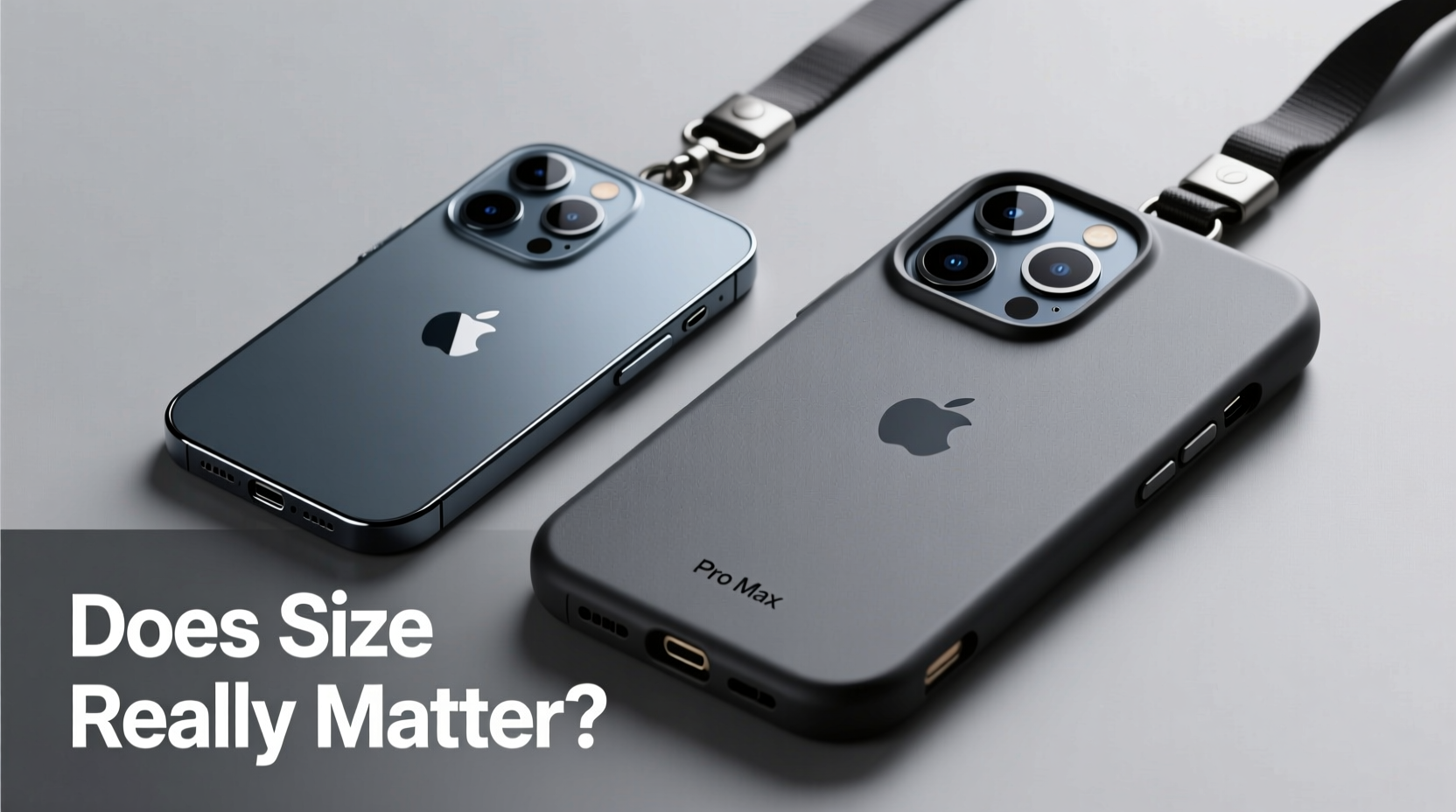
The primary distinction between the iPhone 16 Pro and iPhone 16 Pro Max lies in their physical size. While exact measurements may vary slightly at launch, historical trends suggest the Pro will feature a 6.1-inch display, while the Pro Max will come with a larger 6.7-inch screen. This translates into noticeable differences in height, width, and overall weight—factors that directly affect how a case fits and feels in daily use.
| Feature | iPhone 16 Pro | iPhone 16 Pro Max |
|---|---|---|
| Display Size | 6.1 inches | 6.7 inches |
| Height | ~147 mm | ~161 mm |
| Width | ~71 mm | ~77 mm |
| Weight (approx.) | 187g | 220g |
| Case Compatibility | Pro-specific only | Max-specific only |
These seemingly small differences compound when a case is added. A millimeter here or there might not sound significant, but once encased, the phone becomes bulkier, altering how it fits in pockets, hands, and holsters.
Ergonomics: How Size Impacts Daily Use
The choice between Pro and Pro Max isn’t just about screen size—it’s about usability. Smaller phones like the iPhone 16 Pro are easier to operate with one hand, making them ideal for quick navigation, texting, or taking selfies. When paired with a slim case, they remain pocket-friendly and lightweight.
In contrast, the Pro Max offers a more immersive experience for media consumption, gaming, and multitasking. However, its larger footprint means users often need two hands for basic tasks. Adding a protective case amplifies this effect. A rugged case on a Pro Max can make the device feel unwieldy, especially for those with smaller hands.
A real-world example illustrates this well: Sarah, a graphic designer, upgraded from an iPhone 15 Pro to the 16 Pro Max for better screen space during on-the-go edits. She initially chose a heavy-duty military-grade case for durability. Within days, she found herself adjusting her grip constantly and struggling to reach the top of the screen. After switching to a slimmer, form-fitting case, her comfort improved dramatically—even though the phone itself hadn’t changed.
“Ergonomics should never be sacrificed for protection. The best case balances both.” — Jordan Lee, Industrial Designer at Mobile Accessory Labs
Protection vs. Practicality: Finding the Right Balance
Cases serve two main purposes: protection and personalization. But higher protection often comes at the cost of practicality. Thicker materials, raised bezels, and reinforced corners add layers that increase the overall size and weight of the device.
For the iPhone 16 Pro, a moderately protective case can enhance grip without overwhelming the compact frame. For the Pro Max, however, even a slight increase in thickness can make the phone feel cumbersome. Users must decide whether maximum drop resistance is worth sacrificing portability.
- Frequent travelers may prefer ultra-slim cases that slide easily into backpacks or jacket pockets.
- Outdoor workers or parents might opt for rugged cases with shock-absorbing bumpers and screen protectors.
- Style-focused users often lean toward designer cases with premium finishes, sometimes trading protection for aesthetics.
No single case type suits every user. The key is aligning case choice with lifestyle—not just phone model.
Step-by-Step Guide to Choosing the Right Case
- Assess your daily routine: Do you work in construction, commute via subway, or mostly use your phone at home?
- Measure your carry method: Will the phone go in a front pocket, purse, or holster? Test fit with your current setup.
- Determine priority level: Rank protection, weight, style, and price in order of importance.
- Check material options: Silicone offers grip; polycarbonate resists scratches; hybrid models combine both.
- Verify precise compatibility: Ensure the case explicitly lists support for either iPhone 16 Pro or Pro Max—never assume interchangeability.
- Read verified reviews: Look for feedback on fit accuracy, button responsiveness, and yellowing over time.
Do’s and Don’ts When Selecting a Case
| Action | Recommendation |
|---|---|
| Do check port alignment | Ensure speakers, mics, and charging ports are fully accessible |
| Do consider MagSafe compatibility | If using wireless charging or accessories, confirm magnetic alignment |
| Don’t buy generic “compatible” cases | They often lack precision cutouts and proper fit |
| Don’t ignore weight gain | A 50g heavier case on a 220g phone increases strain during prolonged use |
| Do test grip before committing | Rubbery edges help prevent drops, especially on larger models |
FAQ
Can I use an iPhone 15 Pro case on the iPhone 16 Pro?
No. Despite similar designs, Apple frequently adjusts camera placement, button positions, and dimensions between generations. Using an older case risks poor fit, blocked sensors, and inadequate protection.
Are Pro and Pro Max cases interchangeable?
No. Due to differences in height, width, and curvature, cases are not cross-compatible. A Pro case won’t fit the Pro Max’s longer body, and vice versa.
Does a bigger phone always need a bulkier case?
Not necessarily. Some manufacturers offer minimalist yet protective designs tailored for larger phones. Advances in materials mean slim profiles can still absorb impacts effectively.
Expert Insight: Why Fit Matters Beyond Size
According to Dr. Lena Torres, a human factors engineer specializing in mobile device interaction, “The relationship between hand size and device footprint is critical. A case that adds even 3mm to the width can reduce pinch strength by up to 18%, increasing the likelihood of accidental drops.”
She emphasizes that case design should account for natural grip zones and pressure points. “Many users don’t realize that a poorly designed case edge can cause hand fatigue over time, especially on larger devices,” she explains. “It’s not just about surviving a fall—it’s about feeling comfortable holding it all day.”
Conclusion
The decision between an iPhone 16 Pro case and a Pro Max case goes beyond mere compatibility—it reflects how you interact with your device every day. While both phones deliver top-tier performance and camera quality, their differing sizes demand thoughtful consideration when selecting protection. A case should enhance, not hinder, your experience. Whether you value sleek minimalism or rugged reliability, the right choice depends on matching case features to your lifestyle, hand size, and usage patterns. Don’t let convenience compromise safety, and never assume one size fits all—even within the same product line.




 浙公网安备
33010002000092号
浙公网安备
33010002000092号 浙B2-20120091-4
Comments
No comments yet. Why don't you start the discussion?