
The iPhone 16 Pro represents the pinnacle of smartphone engineering—sleek design, advanced camera systems, and premium materials. With such an investment, choosing the right case isn’t just about aesthetics; it’s about long-term protection and daily functionality. Two popular options dominate the market: full coverage cases and wallet cases. But which one truly serves the needs of modern users better? The answer depends on your lifestyle, priorities, and how you use your phone.
Understanding Full Coverage Cases
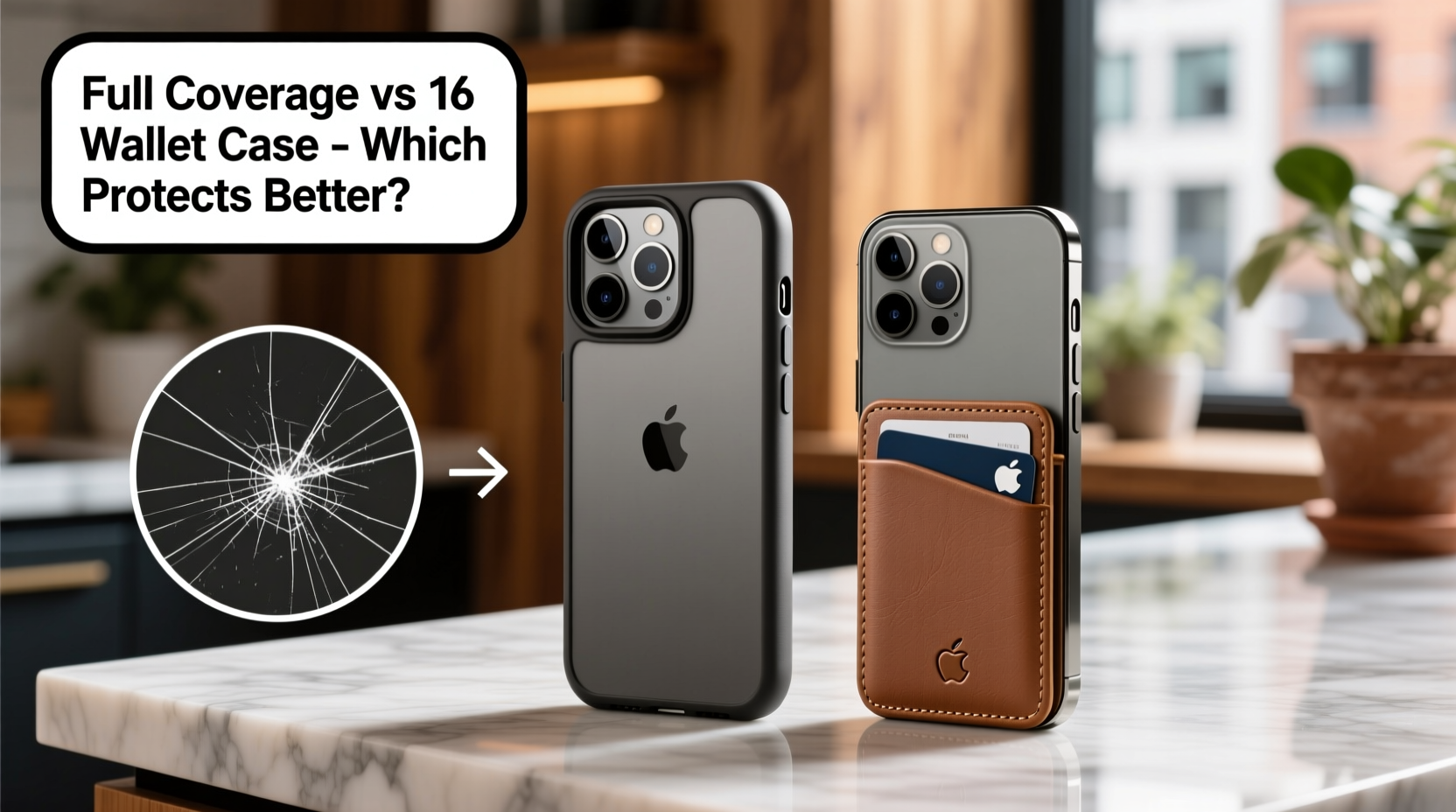
A full coverage case is designed to protect every inch of your iPhone 16 Pro. It typically includes raised edges around the screen and camera module, reinforced corners, and sometimes even a built-in screen protector. These cases prioritize durability and drop resistance above all else.
Manufacturers like OtterBox, Spigen, and UAG specialize in this category, offering military-grade (MIL-STD-810G) certified models that can survive repeated drops from significant heights. For users who frequently commute, work outdoors, or have children, this level of protection offers peace of mind.
Key Benefits of Full Coverage Cases
- Maximum Protection: Shields against drops, scratches, and impact damage.
- Dust & Debris Resistance: Sealed ports and covered buttons prevent buildup.
- Prolonged Device Lifespan: Reduces wear and tear over time, preserving resale value.
- Compatibility: Works seamlessly with wireless charging and MagSafe accessories when designed properly.
Exploring Wallet Cases: Functionality Meets Convenience
Wallet cases combine phone protection with card storage—typically holding 2–4 cards and sometimes cash. They appeal to minimalists who want to leave their physical wallets at home. Brands like Nomad, PopSockets, and Apple’s own leather cases offer stylish, functional designs that integrate RFID-blocking layers and precise cutouts.
While they don’t always match the ruggedness of full coverage models, many wallet cases still provide solid shock absorption through TPU or polycarbonate frames. Their primary advantage lies in reducing pocket bulk and streamlining daily carry.
“Wallet cases are ideal for urban professionals who move fast and hate carrying multiple items,” says Jordan Lee, mobile accessory designer at TechGear Labs. “But they only work if you’re disciplined about what you carry.”
When Wallet Cases Shine
- Reduced Clutter: Eliminates the need for a separate wallet during quick errands.
- Secure Access: Cards slide out easily but stay locked in place during movement.
- Style Factor: Often crafted with premium leather or eco-friendly materials for a refined look.
- Quick Tap-to-Pay: NFC payments remain accessible without removing cards.
Comparing the Two: A Practical Breakdown
To determine which option suits you best, consider how you use your phone throughout the day. Below is a side-by-side comparison highlighting critical factors.
| Feature | Full Coverage Case | Wallet Case |
|---|---|---|
| Drop Protection | Excellent – multi-layer design with corner airbags | Fair to Good – varies by model; often thinner construction |
| Daily Carry Efficiency | Requires separate wallet | Integrates cards/cash; reduces pocket load |
| Screen Safety | Raised bezels + optional integrated screen shield | Minimal edge protection; screen more exposed |
| Magnetic Accessories Support | Generally compatible with MagSafe | May interfere with magnets due to metal plates/cards |
| Resale Value Impact | Higher – less cosmetic damage over time | Moderate – potential scuffing from card insertion |
| Lifestyle Fit | Better for active, outdoor, or high-risk environments | Ideal for commuters, city dwellers, and minimalists |
Real-World Scenario: Sarah’s Commute Dilemma
Sarah, a graphic designer in San Francisco, walks 30 minutes daily between BART stations and her office. She used a sleek wallet case for six months before dropping her iPhone 16 Pro down a subway stairwell. The impact cracked the back glass and bent the frame slightly. After replacing the phone, she switched to a full coverage case—and now carries a slim aluminum cardholder separately.
“I thought I was being efficient,” she says. “But losing my phone cost me $600 and two days of downtime. Now I keep protection first and accept the extra ounce in my coat.”
Sarah’s experience reflects a growing trend: convenience often loses to reliability when real-world risks emerge.
Step-by-Step Guide: Choosing the Right Case for You
Follow this decision-making process to identify the optimal case type based on your habits.
- Assess Your Daily Routine: Do you bike, hike, or work in dynamic environments? High motion = higher risk = full coverage recommended.
- Evaluate What You Carry: If you rarely use more than two cards, a wallet case might suffice. More than that? You’ll likely need a traditional wallet anyway.
- Test Phone Handling Habits: Are you prone to setting your phone face-down on tables or placing it near bag edges? Then screen and camera protection matter most.
- Check Charging Setup: Frequent wireless charging users should ensure compatibility—some wallet cases block MagSafe efficiency.
- Consider Long-Term Use: Planning to keep your iPhone 16 Pro for three years or more? Invest in maximum protection to avoid costly repairs.
Frequently Asked Questions
Can wallet cases damage my iPhone 16 Pro over time?
Yes, if poorly designed. Repeated friction from inserting and removing cards can scratch the finish near the slot. Additionally, some low-quality magnetic closures may interfere with internal sensors or wireless charging coils. Always choose reputable brands with iPhone-specific engineering.
Do full coverage cases make the phone too bulky?
This is subjective, but modern designs have minimized thickness while maintaining strength. Many measure under 2mm added depth and include slimmer profiles without sacrificing MIL-STD certification. Try one in-store or order from retailers with free returns to assess comfort firsthand.
Are there hybrid options available?
Yes. Some manufacturers offer modular solutions—like a full coverage base with attachable wallet sleeves. This allows flexibility: use the wallet when needed, remove it for workouts or travel. Examples include the Moment Snap System and certain Incipio models.
Final Verdict: Protection First, Convenience Second
While wallet cases offer undeniable convenience, they compromise on core protection. The iPhone 16 Pro is not just a communication tool—it's a camera, navigation system, productivity hub, and digital identity platform. Subjecting it to unnecessary risk for the sake of carrying a couple of cards is rarely justified.
For most users, a high-quality full coverage case paired with a minimalist cardholder delivers the best balance: robust defense where it matters, and streamlined access when needed. If you're someone who values longevity, performance, and device integrity, the full coverage case remains the superior choice.
Your Move: Make Protection a Priority
The iPhone 16 Pro deserves more than superficial safeguarding. Whether you're scaling trails, navigating rush hour, or simply parenting with one hand, your case should be the last thing you worry about. Choose strength. Choose resilience. Choose a case that protects your investment as seriously as you rely on it.




 浙公网安备
33010002000092号
浙公网安备
33010002000092号 浙B2-20120091-4
Comments
No comments yet. Why don't you start the discussion?