
The iPhone 17 Pro Max, expected to feature Apple’s latest advancements in durability and display technology, will likely come equipped with Ceramic Shield glass and improved scratch resistance. Still, one question persists among users: if you already have a high-quality case, is that sufficient protection—or should you still invest in a screen protector? The answer isn’t as straightforward as it seems. While cases shield the edges and back of your phone, they offer limited defense against direct screen impacts or surface abrasions. Understanding the limitations of cases and the evolving role of screen protectors can help you make an informed decision about safeguarding your device.
How Cases Protect (and Where They Fall Short)
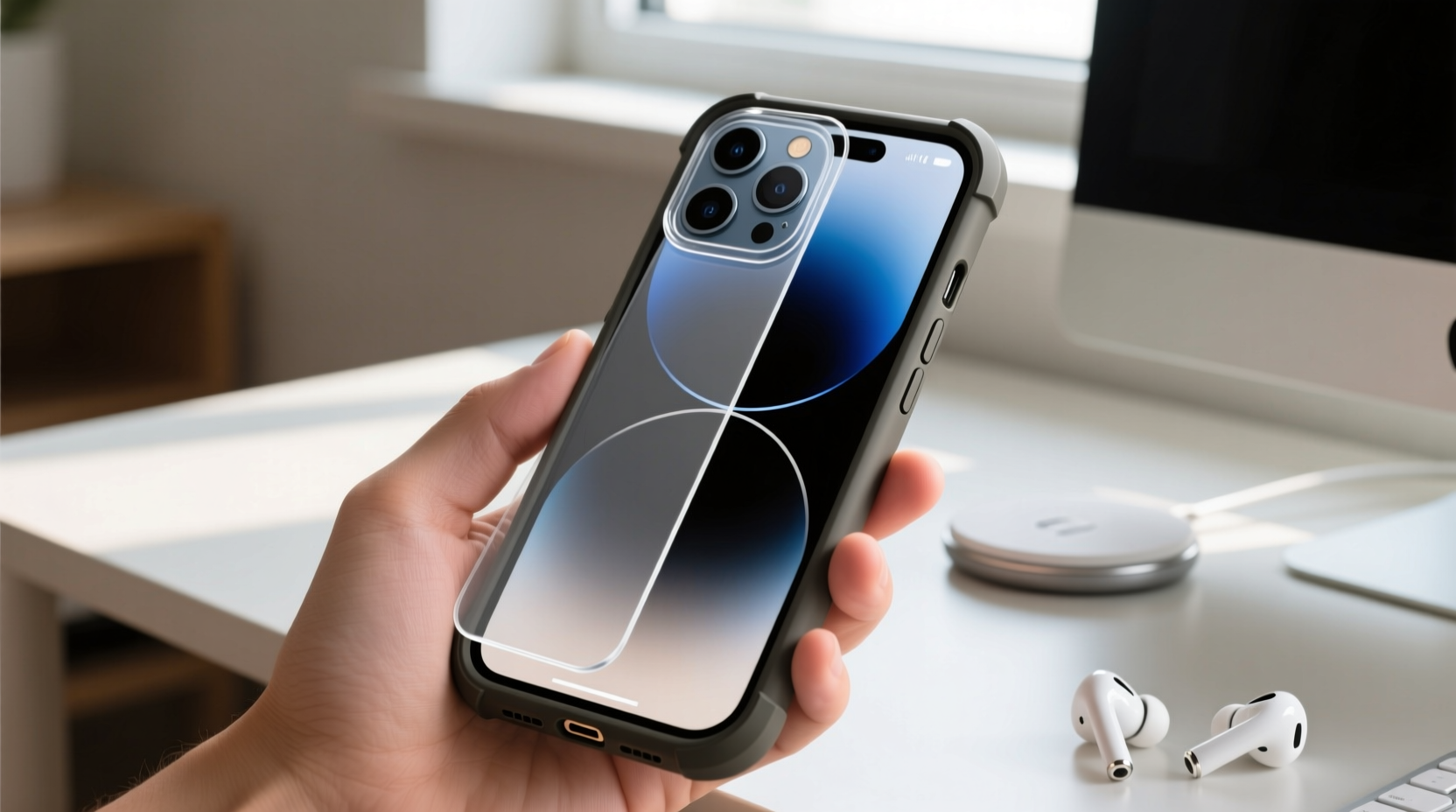
A well-designed case for the iPhone 17 Pro Max typically provides excellent shock absorption during drops, especially from common heights like waist or shoulder level. Premium cases use materials like polycarbonate, TPU, or even military-grade composites to absorb impact energy and reduce the risk of internal damage or cracked backs. Many also include raised bezels around the camera module and screen to prevent direct contact when placed face-down.
However, cases have inherent limitations:
- Limited edge coverage: Most cases only extend slightly above the screen, offering minimal protection against direct face-down drops on hard surfaces.
- No defense against scratches: Keys, coins, or sand in your pocket can still scratch the display over time, even with a case.
- Wear and tear reduces effectiveness: Over months, case edges may compress or crack, reducing their protective ability.
The Evolution of iPhone Screen Protection
Apple has steadily improved screen durability. The iPhone 17 Pro Max is expected to feature an upgraded version of Ceramic Shield with enhanced micro-crack resistance and better optical clarity. Rumors suggest Apple may integrate self-healing polymers at a microscopic level to mitigate minor scratches—similar to technologies seen in some Samsung Galaxy devices.
Despite these advances, no smartphone glass is completely immune to damage. Drop tests conducted by independent labs show that while Ceramic Shield performs well under controlled conditions, real-world scenarios involving angled impacts, textured surfaces, or repeated stress often result in cracks or spiderweb fractures—especially along the edges.
“Even the most durable glass today can’t eliminate the need for layered protection. A case plus a quality screen protector offers redundancy that significantly lowers failure rates.” — Dr. Lena Torres, Materials Scientist at MobileDurability Labs
Do You Really Need a Screen Protector?
The short answer: yes, for most users. Here's why:
A screen protector adds a sacrificial layer that absorbs scratches, minor impacts, and daily wear. Modern options—especially tempered glass protectors—are nearly invisible, maintain touch sensitivity, and preserve the OLED display’s brilliance. Some advanced models now include anti-reflective coatings, oleophobic layers, and even blue light filtering.
Consider this: replacing a $50 screen protector is far less costly than a $399 out-of-warranty screen repair—even on Apple’s most durable models. And while AppleCare+ covers accidental damage, each claim requires a service fee and leaves you without your phone for days.
When a Screen Protector Makes the Most Sense
- You frequently place your phone face-down on desks, tables, or counters.
- Your lifestyle involves outdoor activities, travel, or manual work where debris exposure is common.
- You’ve replaced a phone screen before due to avoidable damage.
- You plan to resell or trade in your iPhone later—pristine screens increase resale value.
Comparison: Protection Scenarios With and Without a Screen Protector
| Scenario | Case Only | Case + Screen Protector |
|---|---|---|
| Drop on carpet (3 ft) | Low risk of damage | Negligible risk |
| Face-down drop on concrete | Moderate to high risk of screen crack | Protector may crack; screen likely intact |
| Pocket with keys/coins | Visible micro-scratches over time | Scratches appear on protector, not screen |
| Daily use over 6 months | Noticeable wear on display coating | Original finish preserved |
| Repair cost after damage | $299–$499 (varies by region) | $10–$50 (replace protector) |
Choosing the Right Screen Protector for iPhone 17 Pro Max
Not all screen protectors are created equal. Given the iPhone 17 Pro Max’s anticipated features—like higher refresh rate support, Face ID optimization, and potential under-display sensors—it’s crucial to select a compatible, high-performance model.
- Material Type: Opt for tempered glass (9H hardness) over plastic films. Glass offers better tactile response and superior impact distribution.
- Thickness: Look for 0.3mm to 0.5mm thickness—thin enough to preserve sensitivity, thick enough to absorb shocks.
- Edge-to-Edge Fit: Ensure compatibility with curved display edges and Dynamic Island area to avoid bubbling or misalignment.
- Oleophobic Coating: This helps resist fingerprints and smudges, maintaining clarity.
- Brand Reputation: Stick with trusted brands like Belkin, Spigen, ESR, or ZAGG, which test rigorously for compatibility and durability.
Mini Case Study: Two Users, One Phone Model
Consider two iPhone 16 Pro Max owners (a proxy for expected iPhone 17 behavior):
- User A uses a rugged OtterBox case but no screen protector. After five months, they drop the phone on tile flooring. The case prevents corner damage, but the screen cracks near the edge. Repair costs: $349.
- User B uses the same case plus a $35 tempered glass protector. In a similar fall, the protector shatters, but the actual display remains unharmed. They replace the protector for $20.
Both phones survived the structural impact thanks to the case. But only User B avoided permanent screen damage and downtime. This illustrates how a screen protector acts as insurance—not just against drops, but against everyday unpredictability.
FAQ
Won’t a screen protector affect Face ID or display quality?
High-quality protectors designed for iPhone models do not interfere with Face ID performance or OLED color accuracy. Avoid cheap, non-branded options that may cause glare or misalignment.
Can I use my phone without any protection?
You can, but statistically, over 70% of smartphone owners experience at least one drop incident within the first year. Going unprotected increases the likelihood of costly repairs or reduced resale value.
Are self-healing screen protectors worth it?
Yes, for users who prioritize long-term aesthetics. These use specialized polymer layers that close minor scratches over time, maintaining clarity and smoothness longer than standard glass.
Final Recommendation: Layered Defense Wins
Relying solely on a case leaves your iPhone 17 Pro Max vulnerable to one of its most expensive failure points: the display. While Apple continues to improve built-in durability, physics and real-world usage patterns haven’t changed. A case protects against structural damage; a screen protector defends the surface you interact with thousands of times a day.
The smartest approach is **layered protection**: a durable case with raised edges combined with a precision-cut, high-clarity tempered glass screen protector. This combination minimizes risk, preserves functionality, and protects your financial investment.
“Think of it like seatbelts and airbags. One alone helps, but together, they drastically improve safety outcomes.” — Mark Chen, Tech Safety Analyst at DeviceGuardian
Conclusion
Your iPhone 17 Pro Max represents both a technological marvel and a significant investment. Treating it with care means going beyond aesthetics—protecting its core functionality over time. A case is essential, but it’s not sufficient on its own. Adding a quality screen protector completes your defense strategy, offering peace of mind whether you're commuting, traveling, or simply navigating daily life.




 浙公网安备
33010002000092号
浙公网安备
33010002000092号 浙B2-20120091-4
Comments
No comments yet. Why don't you start the discussion?