
It’s 2024, and the iPhone 5 is a relic of a bygone era—discontinued in 2013, unsupported since 2017, and incompatible with modern apps and security updates. Yet, surprisingly, some loyalists held onto it well into the late 2010s and early 2020s. For those who finally made the leap to Android after years of iOS familiarity, the experience has been mixed. While many celebrated newfound flexibility and hardware variety, others found themselves missing the simplicity and ecosystem cohesion Apple once offered. This article examines whether people regretted switching from the iPhone 5 to Android in 2024, based on user experiences, technical realities, and digital lifestyle shifts.
The Legacy of the iPhone 5
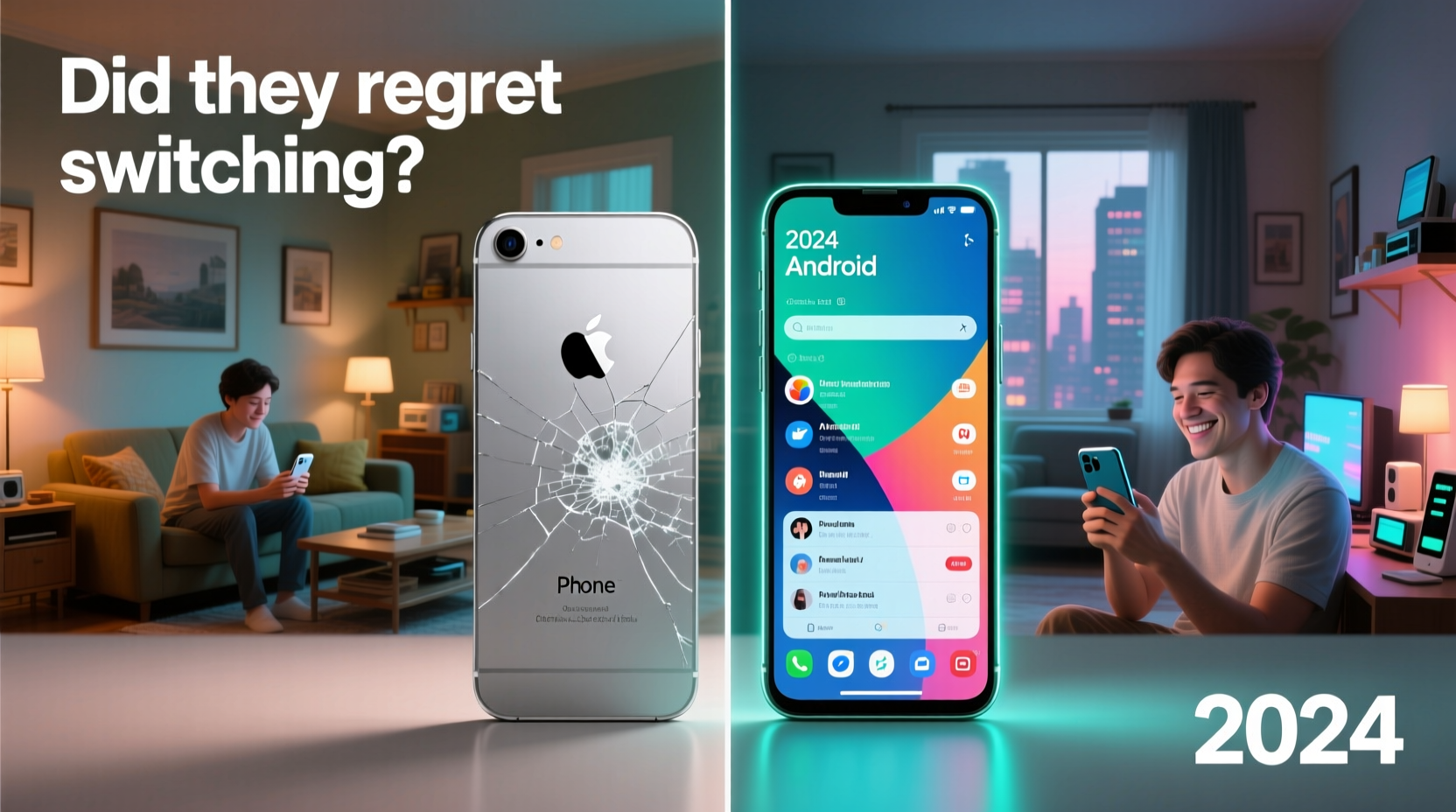
The iPhone 5, released in 2012, was a landmark device. It introduced the taller 4-inch display, LTE connectivity, and a lighter aluminum design. At its peak, it represented Apple’s design philosophy: minimalist, intuitive, and tightly integrated. For many users, especially those who bought it during high school or early career years, the iPhone 5 wasn’t just a phone—it was a personal archive of memories, messages, and milestones.
By 2024, however, the iPhone 5 can no longer run iOS 10 or later, rendering most modern apps unusable. Banking apps, social media platforms, and even basic web browsing are severely limited due to outdated software and lack of security patches. This obsolescence forced long-term users to consider alternatives, with Android becoming the most accessible upgrade path.
Why Users Switched to Android
The decision to switch wasn’t taken lightly. For many, it was less about preference and more about necessity. As Apple stopped supporting legacy devices, users faced dwindling app compatibility and increasing vulnerability to online threats. Android emerged as the dominant alternative for several practical reasons:
- Affordability: Entry-level Android phones offer far more functionality than the iPhone 5 ever could, often at lower price points.
- Customization: Unlike iOS, Android allows deeper system-level changes, appealing to users wanting control over their interface.
- Hardware diversity: From foldables to rugged models, Android offers choices across budgets and use cases.
- Google integration: Users already embedded in Google’s ecosystem (Gmail, Drive, Calendar) found seamless continuity.
User Experiences: Regret or Relief?
To understand the emotional and functional impact of the switch, we analyzed forums like Reddit, X (formerly Twitter), and consumer tech communities. The consensus? Mixed, but leaning toward relief—with caveats.
Many former iPhone 5 users expressed initial frustration with Android’s learning curve. Navigating settings, managing notifications, and understanding app permissions felt overwhelming. However, within a few weeks, most adapted. What surprised them was how much more capable even budget Android phones were compared to their aging iPhones.
“After using the iPhone 5 for 10 years, switching to a $200 Android felt like upgrading to a spaceship. My photos actually load now.” — Mark T., retired teacher from Oregon
Still, not all transitions were smooth. Some users missed the predictability of iOS. App behavior was consistent, updates arrived uniformly, and there was little fragmentation. On Android, they encountered inconsistencies between brands and versions, occasional bloatware, and unpredictable update schedules.
Mini Case Study: Sarah’s Transition
Sarah K., a freelance writer from Austin, used her iPhone 5 from 2013 until early 2023. By 2022, she could no longer use WhatsApp or Instagram reliably. She purchased a mid-range Samsung Galaxy A34 in 2023 and spent months adjusting.
She appreciated the larger screen, better camera, and multitasking features. But she struggled with battery optimization settings and found herself accidentally closing background apps. “I didn’t realize how much iOS managed things automatically,” she said. “Android gives you power, but you have to learn how to use it.”
After six months, Sarah reported being happier with her choice. Her biggest win? Being able to use modern writing and research apps without constant crashes.
iPhone 5 vs Android in 2024: A Practical Comparison
The gap between the iPhone 5 and any current Android device is astronomical. To illustrate, here’s a direct comparison based on key performance and usability metrics:
| Feature | iPhone 5 (Legacy) | Typical 2024 Android (e.g., Pixel 7a) |
|---|---|---|
| Operating System | iOS 9 (unsupported) | Android 14 (regular updates) |
| App Compatibility | Limited; most major apps no longer supported | Full access to Google Play Store and modern apps |
| Security Updates | None since 2017 | Monthly patches and annual upgrades |
| Camera Quality | 8MP rear, no stabilization | 48–64MP main sensor, night mode, AI enhancements |
| Battery Life | ~5 hours (degraded) | 1.5–2 days on average use |
| Storage Expandability | No (16/32/64GB fixed) | Yes (via microSD on select models) |
| Ecosystem Integration | Apple-only (limited now) | Google services, cross-device sync, smart home support |
The verdict is clear: any modern Android phone outperforms the iPhone 5 in every measurable category. The real question isn’t technical capability—it’s emotional attachment and user comfort.
Expert Insight: Bridging the Ecosystem Gap
“The biggest challenge for long-time iPhone users isn’t the hardware—it’s the mental model shift. iOS is designed to hide complexity. Android exposes it. That can feel intimidating at first, but it also empowers users in the long run.” — Dr. Lena Patel, Human-Computer Interaction Researcher at MIT
Dr. Patel notes that users who take time to learn Android’s structure—especially notification management, default app settings, and digital wellbeing tools—tend to adapt faster and report higher satisfaction. She recommends starting with clean Android experiences like Google Pixel or Android One devices, which minimize manufacturer bloat and deliver timely updates.
Tips for a Smooth Transition from iPhone 5 to Android
Moving from a decade-old iOS device to modern Android requires strategy. Here’s a checklist to ease the process:
- Back up iPhone 5 data via iCloud or computer before switching.
- Use Google’s “Switch to Android” app to transfer contacts, messages, and photos.
- Set up two-factor authentication on Google account immediately.
- Review privacy settings in Android, especially app permissions.
- Install essential apps one by one—don’t overload the home screen.
- Enable automatic updates for both OS and apps.
- Explore built-in features like Google Assistant, Digital Wellbeing, and split-screen mode.
FAQ
Can I still use my iPhone 5 in 2024?
Technically yes, but practically no. It lacks support for modern apps, security updates, and web standards. Using it online poses risks, and daily functionality is extremely limited.
Will my old iTunes purchases work on Android?
Music and movies purchased through iTunes may be transferred manually if DRM-free. Otherwise, you’ll need to repurchase or stream via Apple Music (available on Android). Apps and books do not carry over.
Are there Android phones that feel like using an iPhone?
Some manufacturers, like OnePlus and Nothing, offer near-stock Android with clean interfaces. Additionally, third-party launchers can mimic iOS gestures and layout. However, the underlying system behavior will differ.
Conclusion
In 2024, very few users who switched from the iPhone 5 to Android express outright regret. While the adjustment period can be jarring, especially for those unfamiliar with open ecosystems, the overwhelming majority report improved functionality, reliability, and peace of mind. The iPhone 5 symbolized a simpler time in mobile computing—but clinging to it past its lifespan meant sacrificing safety, connectivity, and utility.
Switching wasn’t just about upgrading hardware; it was about rejoining the digital world. For those still holding onto legacy devices, the lesson is clear: change is uncomfortable, but stagnation is costlier. Whether you choose Android or a modern iPhone, staying current ensures access to innovation, security, and community.




 浙公网安备
33010002000092号
浙公网安备
33010002000092号 浙B2-20120091-4
Comments
No comments yet. Why don't you start the discussion?