
In 2017, millions of iPhone 6s Plus users faced a pivotal decision: upgrade to the Samsung Galaxy S8 or wait for the next iPhone. One of the most debated aspects was the camera. Apple’s 6s Plus had set a high bar for smartphone photography in 2015 with its 12MP rear sensor and Live Photos, but by 2017, Android competitors like the Galaxy S8 were pushing boundaries with larger sensors, better dynamic range, and advanced software processing. So, was switching from the iPhone 6s Plus to the Galaxy S8 truly worth it for photography? The answer depends on what kind of photos you take, how you use your phone, and what you value in an image.
Camera Specifications: A Technical Breakdown
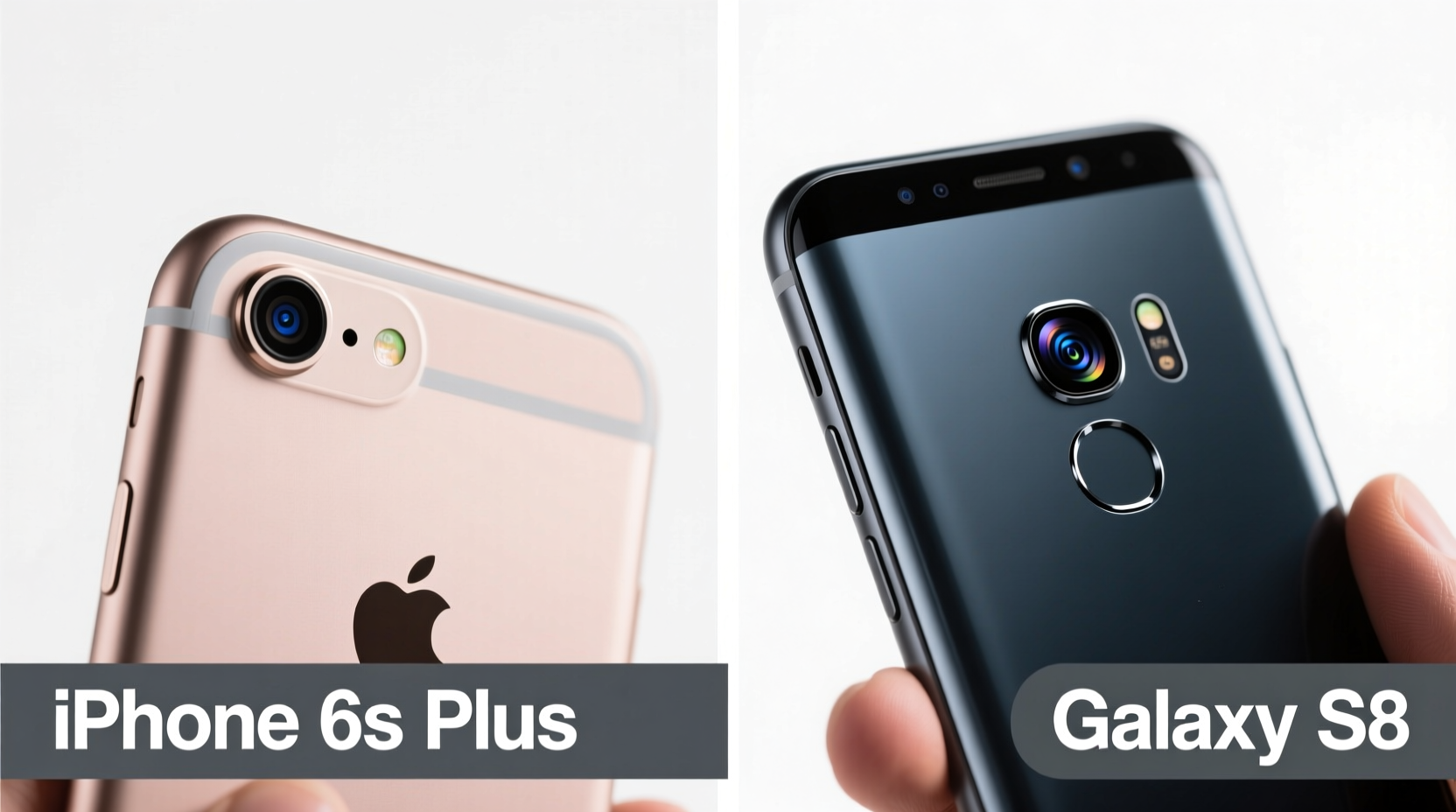
The hardware differences between these two devices reflect broader philosophies in mobile imaging. Apple focused on consistency, color accuracy, and ease of use, while Samsung prioritized resolution, dynamic range, and post-processing flexibility.
| Feature | iPhone 6s Plus | Galaxy S8 |
|---|---|---|
| Rear Camera Resolution | 12 MP (f/2.2) | 12 MP (f/1.7) |
| Aperture | f/2.2 | f/1.7 |
| Pixel Size | 1.22µm | 1.4µm |
| Optical Image Stabilization | Yes | Yes |
| Dual-Pixel Autofocus | No | Yes |
| Front Camera | 5 MP (f/2.2) | 8 MP (f/1.7) |
| Video Recording | 4K at 30fps | 4K at 30fps |
The Galaxy S8’s f/1.7 aperture allows 50% more light than the iPhone’s f/2.2 lens, a significant advantage in dim environments. Combined with larger pixels and dual-pixel autofocus, the S8 could focus faster and capture cleaner images in low light — a major leap forward compared to the 6s Plus.
Image Quality: Daylight vs. Low Light
In daylight, both phones produce pleasing results, but their approaches differ. The iPhone 6s Plus delivers natural colors, excellent white balance, and consistent HDR performance. It avoids oversaturation, making skin tones accurate and skies realistically blue. However, it sometimes underexposes shadows, especially in high-contrast scenes.
The Galaxy S8, by contrast, applies a more aggressive tone curve and boosts saturation slightly. Greens appear lusher, reds more vibrant, and contrast is heightened. While some users love this “pop,” others find it less authentic. That said, the S8’s wider dynamic range often preserves detail in both highlights and shadows better than the 6s Plus.
Where the Galaxy S8 pulls ahead decisively is in low-light photography. Its larger aperture and improved sensor allow brighter exposures with less noise. Images taken indoors or at dusk retain more texture and exhibit fewer artifacts. The 6s Plus struggles in similar conditions, producing grainy shots with smudged details unless lighting is ideal.
“Smartphone cameras in 2017 began shifting from ‘acceptable in good light’ to ‘usable in almost any condition.’ The Galaxy S8 was one of the first to make night photography genuinely practical.” — David Lin, Mobile Imaging Analyst at TechPulse Weekly
User Experience and Features
Beyond specs, usability plays a crucial role in whether an upgrade feels worthwhile. The iPhone 6s Plus offered simplicity: open the camera, point, shoot. Its interface was minimal, fast, and reliable. Burst mode worked well for action shots, and the volume buttons doubled as shutter controls.
The Galaxy S8 introduced a more customizable camera app with Pro Mode, manual ISO, shutter speed control, and RAW output. For enthusiasts, this opened creative possibilities the iPhone couldn’t match without third-party apps. The front-facing camera also benefited from the f/1.7 lens, making selfies brighter and clearer — especially useful for video calls or social media content creators.
However, Samsung’s default camera app included ads for cloud storage and occasional prompts to try new modes, which some users found distracting. Apple’s clean, ad-free experience remained appealing for those who preferred frictionless operation.
Real-World Example: Travel Photography Upgrade
Sarah, a travel blogger using her iPhone 6s Plus for two years, upgraded to the Galaxy S8 before a trip to Prague. She noticed immediate improvements. Indoor shots of dimly lit cafes, previously too dark or noisy, now showed rich textures in wood and fabric. Nighttime street photography along the Vltava River came out sharp and colorful without needing a tripod. She also appreciated the ability to shoot in RAW and fine-tune white balance later — something she couldn’t do on iOS at the time. While she missed the iPhone’s intuitive interface, the enhanced image quality made the learning curve worthwhile.
Step-by-Step: Evaluating If the Upgrade Was Worth It
For users still deciding whether the jump from iPhone 6s Plus to Galaxy S8 paid off photographically, consider this evaluation process:
- Assess Your Shooting Environment: Do you frequently take photos indoors, at night, or in mixed lighting? If yes, the S8’s superior low-light performance likely justifies the switch.
- Review Your Editing Habits: If you edit photos regularly, the S8’s RAW support and higher dynamic range give you more data to work with.
- Test Front Camera Needs: Frequent selfie-takers or livestreamers benefit from the S8’s brighter front camera and wider field of view.
- Consider Ecosystem Loyalty: Switching from iOS to Android means losing iMessage, AirDrop, and seamless iCloud photo syncing. These trade-offs may outweigh camera gains for some.
- Compare Sample Photos Side-by-Side: Download real-world samples from both devices online or test them in person. Judge based on your personal aesthetic preferences — not just technical scores.
Checklist: Was the Camera Upgrade Worth It?
- ✅ Need better low-light performance? → Galaxy S8 wins
- ✅ Want manual controls and RAW shooting? → Galaxy S8 provides more options
- ✅ Prioritize natural color science and consistency? → iPhone 6s Plus remains strong
- ✅ Use your phone for vlogging or video calls? → S8’s front camera is superior
- ✅ Value ecosystem integration over standalone camera quality? → Staying with iPhone may be better
- ✅ Take lots of action shots? → S8’s faster autofocus helps, but 6s Plus burst mode is still capable
Frequently Asked Questions
Did the Galaxy S8 have better zoom than the iPhone 6s Plus?
No. Both phones relied on digital zoom only, as neither included a telephoto lens. Zoomed photos on both devices lose detail quickly beyond 2x magnification. Optical zoom wouldn’t arrive on Samsung flagships until the Galaxy S9+ and on iPhones starting with the iPhone 7 Plus.
Was the iPhone 6s Plus camera still good in 2017?
Absolutely. For well-lit conditions and casual photography, the 6s Plus continued to deliver excellent results. Its color accuracy and reliability made it a favorite among users who didn’t shoot in challenging lighting. However, it showed its age in low light and lacked modern features like portrait mode or advanced bokeh simulation.
Could the Galaxy S8 shoot better portraits?
Yes, despite lacking a dual-camera system, Samsung used software-based depth mapping to simulate background blur in Portrait Mode (introduced via update). While not as precise as dual-sensor setups, it worked surprisingly well in good light. The iPhone 6s Plus had no native portrait mode at all.
Final Verdict: Was the Upgrade Worth It?
For photographers who valued image quality across diverse conditions, the move from iPhone 6s Plus to Galaxy S8 was absolutely worth it — primarily due to the S8’s superior low-light capabilities, faster autofocus, and enhanced front camera. The hardware advancements translated into tangible benefits: brighter night shots, crisper indoor images, and more flexible editing options.
That said, the decision wasn’t purely about megapixels or aperture size. It involved trade-offs in ecosystem, user experience, and personal preference. Users deeply embedded in Apple’s ecosystem might have found the camera gains insufficient to justify leaving iOS. But for those open to Android, the Galaxy S8 represented a meaningful leap in mobile photography — not just incrementally better, but fundamentally more capable in real-world scenarios.
If you were holding a 6s Plus in 2017 and wanted the best possible camera in a smartphone, the Galaxy S8 was one of the strongest choices available. It wasn’t perfect — no phone was — but it answered a growing demand for a device that could handle anything from bright beaches to candlelit dinners without compromise.




 浙公网安备
33010002000092号
浙公网安备
33010002000092号 浙B2-20120091-4
Comments
No comments yet. Why don't you start the discussion?