
For millions still holding onto their iPhone 6s Plus, the question isn’t just about desire—it’s about necessity. Released in 2015, the iPhone 6s Plus was a landmark device known for its durability and solid iOS support. But as we move deeper into 2024, software demands have evolved. Apps are heavier, updates are faster, and newer iPhones offer capabilities that were once science fiction. The iPhone 11, released four years later in 2019, represents a generational leap. So, is upgrading from the 6s Plus to the iPhone 11 truly worthwhile today?
The answer depends on your usage, expectations, and budget. While the 6s Plus may still power through basic tasks, real-world performance gaps with modern devices are widening. This article breaks down the key differences between the two models—performance, camera, battery life, software support, and value—to help you decide whether making the jump makes sense in 2024.
Performance: A Quantum Leap in Speed and Efficiency
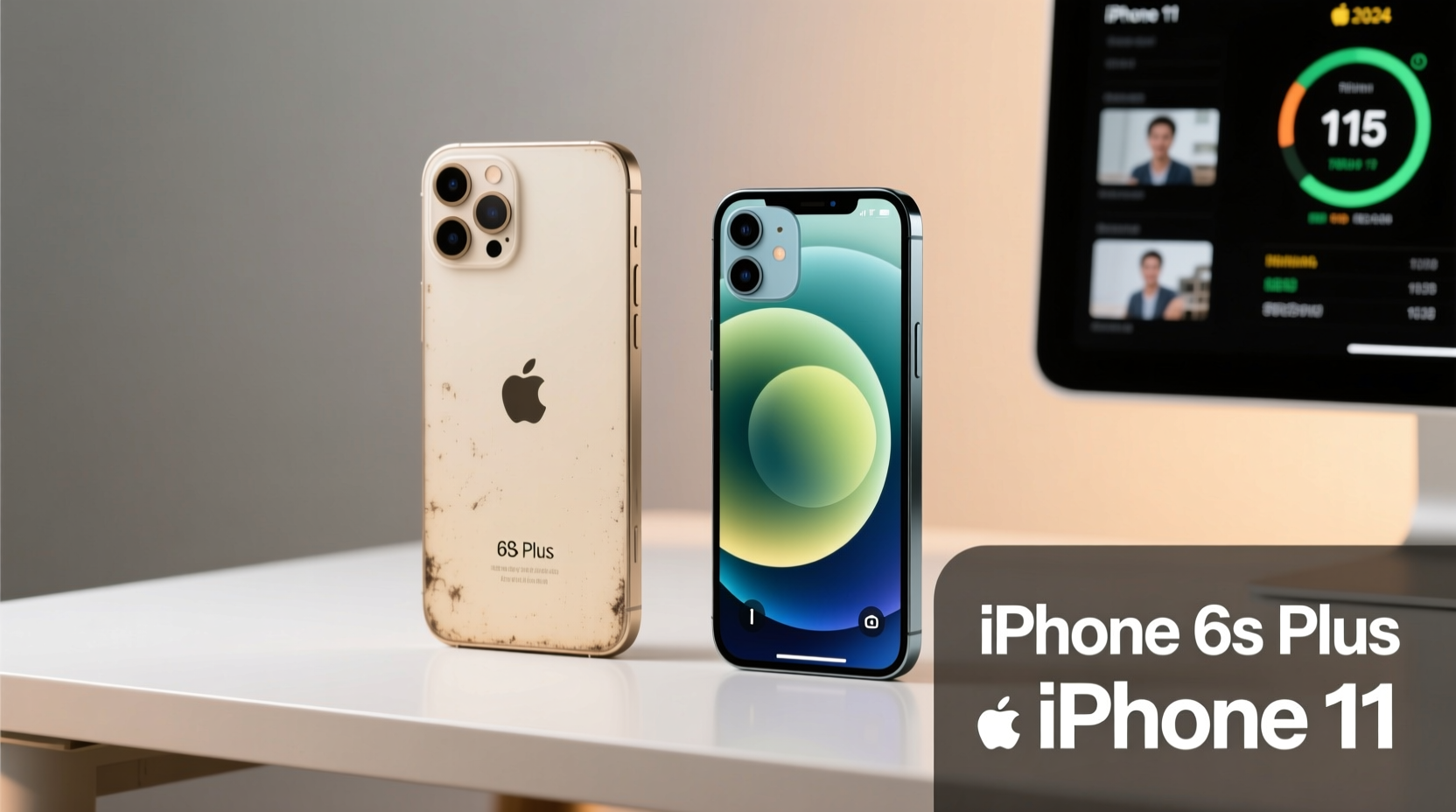
The most immediate difference between the iPhone 6s Plus and the iPhone 11 is raw performance. The 6s Plus runs on Apple’s A9 chip with 2GB of RAM, which was impressive in 2015 but struggles today with multitasking, app launches, and background processes. In contrast, the iPhone 11 features the A13 Bionic chip with 4GB of RAM—a processor designed for machine learning, advanced photography, and seamless iOS navigation.
Real-world impact? Opening apps like Instagram or Google Maps on the 6s Plus often involves noticeable lag. Switching between apps can trigger reloads. On the iPhone 11, transitions are fluid, even with multiple heavy apps open. Games like Genshin Impact or Call of Duty Mobile run smoothly on the 11 but are nearly unplayable on the older model.
Camera Quality: From Decent to Truly Competitive
Photography has evolved dramatically since 2015. The iPhone 6s Plus features a single 12MP rear camera without optical image stabilization (OIS) on the Plus model—a notable omission. Low-light performance is poor, and video maxes out at 1080p at 60fps. Portrait mode doesn’t exist natively, and Night mode is nowhere to be found.
The iPhone 11 changes the game with a dual-camera system: a 12MP wide and 12MP ultra-wide lens. This allows for expanded framing, better depth sensing, and true portrait mode with edge detection. More importantly, the inclusion of Night mode means usable photos in dark environments—something the 6s Plus simply cannot deliver.
In daylight, both phones capture decent images, but the iPhone 11’s Smart HDR and improved dynamic range preserve highlights and shadows far better. Video recording jumps to 4K at 60fps, with extended dynamic range and stereo audio.
“Camera quality isn’t just about megapixels—it’s about computational photography. The A13 Bionic enables features that redefine what a smartphone camera can do.” — David Kim, Mobile Imaging Analyst at TechPulse
Battery Life and Charging: All-Day Use vs Constant Top-Ups
Battery degradation is inevitable after eight years. Even if your 6s Plus still holds a charge, its capacity is likely below 80%, meaning shorter usage times and more frequent charging. Apple officially rated the 6s Plus for up to 16 hours of talk time, but real-world use now often yields under 6 hours of screen-on time.
The iPhone 11 offers significantly better endurance—up to 17 hours of video playback. Most users report 1.5 days of moderate use on a single charge. It also supports fast charging (up to 50% in 30 minutes with an 18W adapter) and Qi wireless charging, neither of which are available on the 6s Plus.
If you’re constantly searching for outlets or carrying portable chargers, upgrading eliminates that daily stress.
Software Support and Longevity
This is where the decision becomes urgent. The iPhone 6s Plus last received iOS 15, missing out on iOS 16 and all future updates. That means no new features, limited app compatibility, and growing security risks. Developers are increasingly optimizing apps for iOS 16+, leaving older devices behind.
The iPhone 11, however, supports iOS 17 and is expected to receive updates through at least 2025, possibly into 2026. This ensures continued access to new features, security patches, and app compatibility—critical for banking, messaging, and productivity tools.
Consider this: As of 2024, major apps like WhatsApp and Zoom may soon require iOS 16 or higher. Staying on the 6s Plus could mean losing access to essential services.
Detailed Comparison Table
| Feature | iPhone 6s Plus | iPhone 11 |
|---|---|---|
| Release Year | 2015 | 2019 |
| Chipset | A9 + 2GB RAM | A13 Bionic + 4GB RAM |
| Rear Camera | 12MP (Single, No OIS) | 12MP Wide + 12MP Ultra-Wide |
| Front Camera | 5MP | 12MP (supports 4K video) |
| Video Recording | 1080p@60fps | 4K@60fps + Extended Dynamic Range |
| Battery Life | ~16 hrs (new), now ~5–6 hrs SOT | Up to 17 hrs video playback |
| Charging | Lightspeed only (5W) | Fast charging, Wireless charging |
| Latest iOS Support | iOS 15 (End of Life) | iOS 17+ (Support until ~2025–2026) |
| Water Resistance | None | IP68 (up to 2m for 30 mins) |
| Fingerprint Sensor | Touch ID | Face ID |
Real-World Case Study: Sarah’s Upgrade Journey
Sarah, a freelance photographer based in Portland, relied on her iPhone 6s Plus for five years beyond its prime. She used it for client communication, social media posting, and occasional snapshots. By early 2023, she noticed apps crashing, messages failing to send, and her editing tools refusing to launch.
After upgrading to a used iPhone 11, her workflow transformed. She could shoot in Night mode for evening events, edit videos directly on the phone, and rely on Face ID instead of struggling with a worn-out Touch ID sensor. Most importantly, her banking and email apps updated reliably—no more “unsupported device” warnings.
“I thought I was saving money by holding on,” Sarah said. “But the time I wasted dealing with glitches cost me more than the upgrade did.”
Upgrade Checklist: Are You Ready?
Before making the switch, consider these practical steps:
- Back up your data: Use iCloud or iTunes to save photos, messages, and settings.
- Check storage needs: The 6s Plus maxed out at 128GB; the iPhone 11 starts at 64GB but is available in 128GB and 256GB.
- Evaluate carrier compatibility: Both phones support major LTE bands, but ensure your carrier still activates older models.
- Consider buying used/refurbished: The iPhone 11 is no longer sold new by Apple, but certified refurbished units start around $200–$280.
- Trade in your 6s Plus: Even non-functional units may have recycling value.
Frequently Asked Questions
Can the iPhone 6s Plus still be used in 2024?
Yes, for basic tasks like calls, texts, and light browsing. However, app compatibility is declining, and performance lags significantly compared to modern smartphones. Security updates have stopped, increasing vulnerability.
Is the iPhone 11 still a good phone in 2024?
Absolutely. With the A13 chip, solid camera system, and ongoing iOS support, the iPhone 11 remains capable for everyday use. It handles social media, streaming, gaming, and photography well. For many, it’s a cost-effective upgrade path.
Will apps stop working on the iPhone 6s Plus?
They already are. Major developers are dropping support for iOS 15 and earlier. Apps like TikTok, Uber, and banking platforms may soon cease functioning or lose critical features on unsupported devices.
Conclusion: The Time to Upgrade May Be Now
The iPhone 6s Plus was a remarkable device—one of the longest-supported iPhones in history. But technology moves forward, and clinging to legacy hardware comes at a cost: slower performance, diminished security, and shrinking app compatibility.
Upgrading to the iPhone 11 isn’t just about better photos or longer battery life. It’s about staying connected, secure, and functional in a world that increasingly expects modern capabilities. At current market prices, especially for refurbished models, the investment pays off in reliability, longevity, and peace of mind.




 浙公网安备
33010002000092号
浙公网安备
33010002000092号 浙B2-20120091-4
Comments
No comments yet. Why don't you start the discussion?