
In 2015, smartphone buyers faced a defining choice: stick with Apple’s ecosystem or leap into the premium Android space with Samsung’s flagship. The iPhone 6s and Galaxy S6 represented peak design and performance for their respective brands at the time. But for users already on either platform—or considering a switch—the big question remained: was upgrading from one to the other actually worth it?
This isn’t just a specs sheet showdown. It’s about real-world usability, longevity, ecosystem loyalty, and whether the tangible improvements justified the cost. Let’s break down the key differences that mattered most to consumers making this decision.
Design and Build Quality
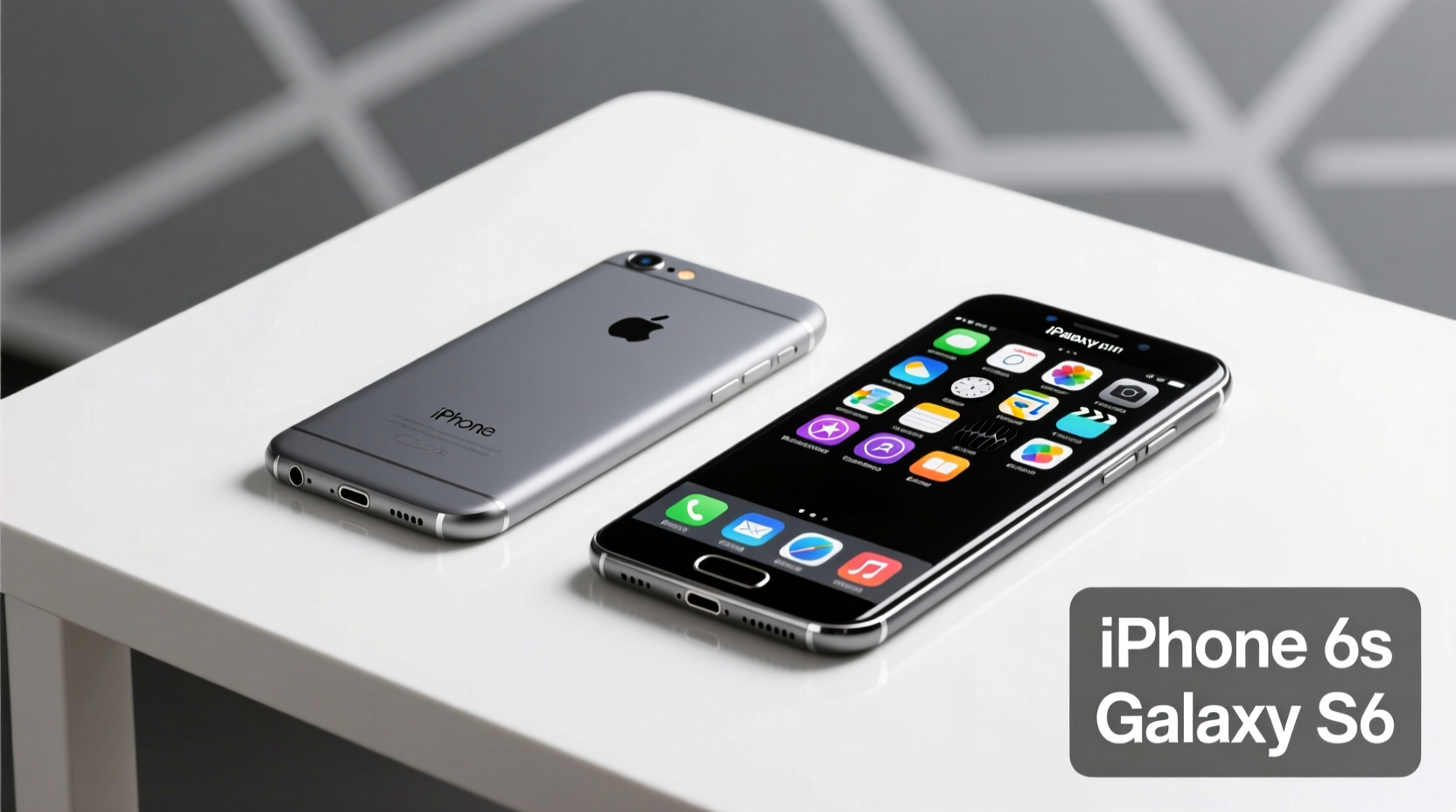
The Galaxy S6 marked a dramatic shift for Samsung—abandoning plastic for an all-glass-and-metal unibody. It felt luxurious, sleek, and modern. Meanwhile, the iPhone 6s refined Apple’s aluminum design introduced with the 6, adding a slightly stronger 7000-series alloy and maintaining its signature minimalist aesthetic.
While both phones were beautiful, durability diverged sharply. The S6’s glass back made it prone to cracking when dropped, and unlike previous models, it wasn’t user-replaceable or easily repairable. The iPhone 6s, while still fragile, had better drop resistance in practice due to more forgiving structural geometry and widespread availability of protective cases.
Performance and Software Experience
Under the hood, both devices packed powerful hardware for their era. The iPhone 6s used Apple’s custom A9 chip, paired with 2GB of RAM. The Galaxy S6 ran on either Samsung’s Exynos 7420 or Qualcomm’s Snapdragon 810 (depending on region), also with 3GB of RAM.
On paper, the S6 had superior specs. In reality, iOS optimized efficiency gave the 6s a smoother day-to-day experience. Apps launched quickly, multitasking was fluid, and iOS updates continued for years. The S6, despite its raw power, suffered from occasional overheating with the Snapdragon variant and inconsistent app optimization across the Android ecosystem.
Apple’s closed ecosystem ensured longer software support. The iPhone 6s received updates up to iOS 15—six years of OS upgrades. Samsung, at the time, offered only two major Android version updates. By 2018, the S6 was stuck on Android 7, missing critical security patches and new features.
“Hardware specs matter, but sustained performance over time is what defines a great user experience.” — James Lee, Mobile Systems Analyst, TechInsight Weekly
Camera Comparison: Real-World Results
Cameras were a major selling point. The iPhone 6s featured a 12MP rear sensor with Focus Pixels and 4K video recording—a first for iPhones. Image processing was consistent, colors accurate, and dynamic range improved significantly over the 6.
The Galaxy S6 stepped up with a 16MP rear shooter featuring f/1.8 aperture, optical image stabilization, and advanced HDR. In ideal lighting, the S6 produced richer, more vibrant photos. However, in low light, noise reduction often oversmoothed details, leading to “plastic skin” effects on portraits.
The front-facing cameras told a different story. The S6’s 5MP selfie cam outperformed the 6s’s 5MP FaceTime camera, especially in brightness and clarity. For social media users prioritizing selfies, the S6 had a clear edge.
| Feature | iPhone 6s | Galaxy S6 |
|---|---|---|
| Rear Camera | 12MP, f/2.2, 4K video | 16MP, f/1.8, OIS, 1440p video |
| Front Camera | 5MP, Retina Flash | 5MP, wider aperture |
| Low-Light Performance | Natural tone, moderate noise | Brighter but over-processed |
| Video Recording | 4K @ 30fps | 1440p @ 30fps |
Battery Life and Charging
Battery performance was where the Galaxy S6 fell short. Its 2550mAh battery struggled to last a full day with moderate use. Fast charging helped, but heavy users often needed a top-up by late afternoon. The iPhone 6s, with its 1715mAh cell, surprisingly matched or even exceeded the S6 in endurance thanks to iOS power management.
Ironically, the smaller battery in the 6s lasted longer due to efficient background processes and lower screen resolution (750x1334 vs. 1440x2560). The S6’s Quad HD display, while stunning, drained power quickly—even with adaptive resolution settings.
Neither phone supported wireless charging out of the box, though the S6 could be upgraded with a special back cover. Apple didn’t adopt wireless charging until the iPhone 8.
Mini Case Study: Sarah’s Upgrade Dilemma
Sarah had been using an iPhone 5s since 2013. By 2015, her battery life was poor, apps were slow, and iOS updates felt sluggish. She considered switching to Android for the first time and nearly bought a Galaxy S6 after seeing its sleek design and camera reviews.
She ultimately chose the iPhone 6s. Her reasoning? App continuity, iMessage, and iCloud integration with her Mac. Over the next three years, she appreciated receiving every iOS update, including features like Portrait Mode (via software) and enhanced Siri capabilities. When she finally upgraded in 2018, her 6s still ran smoothly.
Her friend Mark, who switched to the S6, loved the screen and camera at first. But by 2017, his phone felt outdated—apps crashed more often, security updates stopped, and battery replacement options were limited. He regretted not sticking with iOS or choosing a newer model.
Long-Term Value and Ecosystem Lock-In
One overlooked factor in the upgrade decision was ecosystem inertia. Users invested in iTunes purchases, iCloud storage, AirPods compatibility (later), and seamless Handoff between devices found staying with iPhone easier. Similarly, Samsung integrated well with Windows PCs via SideSync and later Your Phone, but lacked the depth of Apple’s cross-device synergy.
Resale value also favored Apple. After one year, the iPhone 6s retained about 60% of its original price, compared to the S6’s 45%. This gap widened over time as Apple maintained software support and third-party trade-in demand stayed strong.
Checklist: Was Upgrading Worth It?
- ✅ Need long-term software updates? → iPhone 6s wins
- ✅ Want the best-looking phone in 2015? → Galaxy S6 wins
- ✅ Prioritize camera versatility and manual controls? → S6 offers more options
- ✅ Use other Apple devices daily? → Staying with iPhone makes sense
- ✅ Prefer stock-like Android experience? → Consider Nexus instead
- ✅ Planning to keep the phone beyond 2 years? → iPhone 6s is the safer bet
Frequently Asked Questions
Did the Galaxy S6 get Android 8.0 Oreo?
No. Samsung provided only two major OS updates for the S6. It launched on Android 5.1 and received updates up to Android 7.0 Nougat. No official Oreo update was released.
Can the iPhone 6s still run modern apps in 2024?
Limitedly. While some lightweight apps work, many newer apps require iOS 13 or higher, which the 6s supports. However, performance degrades with resource-heavy apps like Instagram or Google Maps. It's usable as a backup or basic device but not ideal for primary use.
Which phone had better customer support?
AppleCare+ offered comprehensive coverage, including same-day replacements and Genius Bar access. Samsung’s support varied by region and carrier, often requiring mail-in repairs. Apple had a clear advantage in service consistency.
Final Verdict: Was the Upgrade Worth It?
For iPhone users considering a jump to the Galaxy S6, the allure was real—but fleeting. The S6 dazzled at launch with its design and camera, but its shorter software lifespan and weaker long-term reliability diminished its appeal. Unless you deeply valued Android customization or needed specific Samsung features, switching wasn’t worth the trade-offs.
Conversely, upgrading from older Android devices to the S6 made sense if you planned a 1–2 year ownership cycle. But moving from iPhone 6 or 5s to the 6s delivered meaningful gains: 3D Touch, better camera, faster processor, and years of future-proofing through iOS updates.
In hindsight, the iPhone 6s offered better long-term value. It wasn’t the flashiest phone, but it aged gracefully. The Galaxy S6, while a technical marvel in 2015, became obsolete faster than expected. For most users, especially those already in the Apple ecosystem, upgrading to the 6s—not jumping ship—was the smarter move.




 浙公网安备
33010002000092号
浙公网安备
33010002000092号 浙B2-20120091-4
Comments
No comments yet. Why don't you start the discussion?