
For millions of iPhone users clinging to their iPhone 8 Plus, the question isn’t whether newer models exist—it’s whether upgrading makes sense. Released in 2017, the iPhone 8 Plus was a powerhouse for its time, known for its solid build, Touch ID, and dual-lens camera. Fast forward to 2024, and Apple’s iPhone 15 Pro Max represents a quantum leap in mobile technology. But does that gap justify the cost and change for long-time 8 Plus owners?
This isn’t just about specs on paper. It’s about real-world usability, longevity, photography needs, software support, and how much your phone impacts your daily life. If you're still using an iPhone 8 Plus, here’s what you need to know before deciding if it's truly time to move on.
Performance: A Generational Chasm
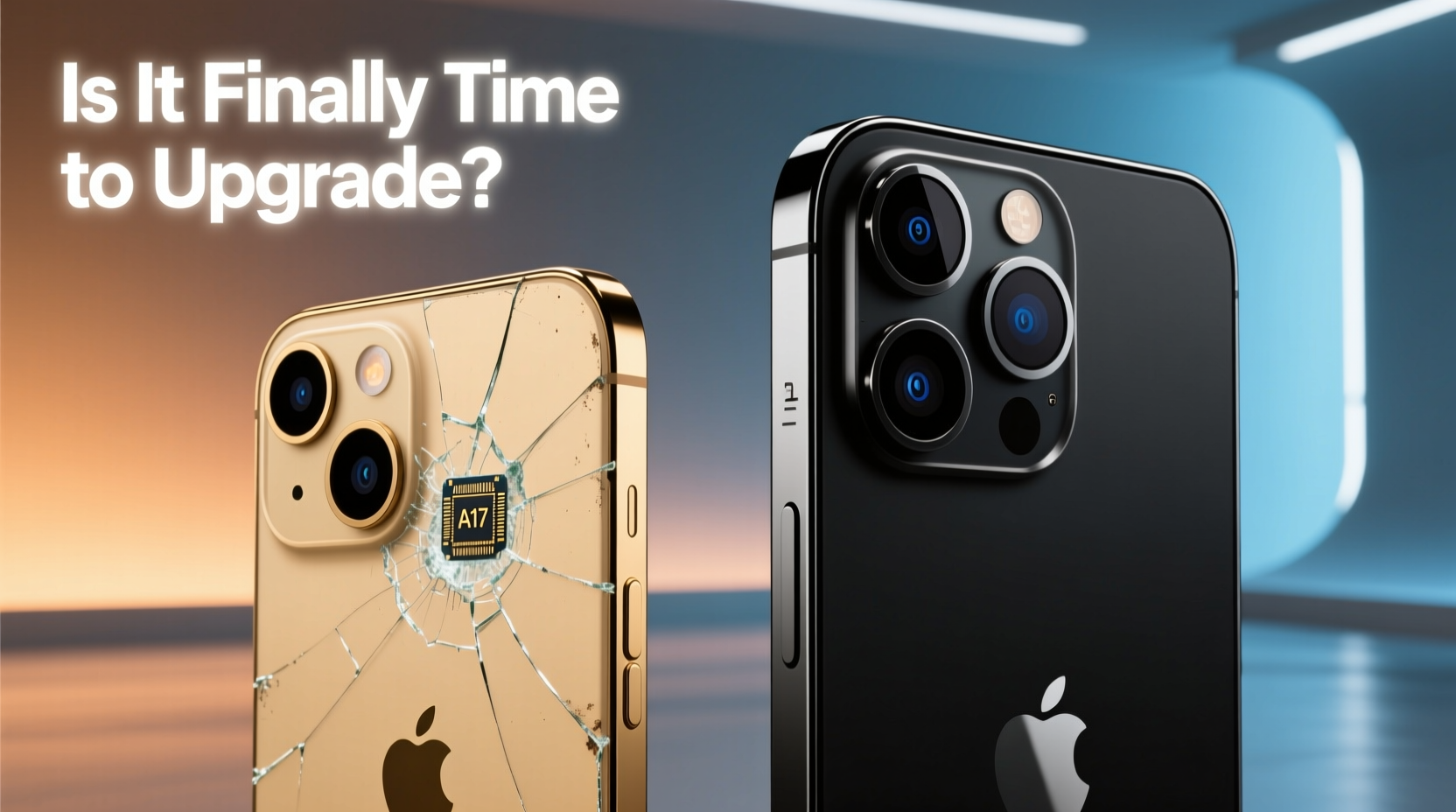
The heart of any smartphone is its processor. The iPhone 8 Plus runs on Apple’s A11 Bionic chip—an impressive piece of engineering in 2017 but now significantly outpaced by modern standards. In contrast, the iPhone 15 Pro Max features the A17 Pro chip, built on a 3-nanometer process with dramatically improved CPU, GPU, and neural engine performance.
Benchmarks tell a stark story. The A17 Pro delivers over five times the CPU performance and nearly ten times the graphics power of the A11. Apps open faster, multitasking is seamless, and demanding tasks like 4K video editing or gaming at high frame rates are not only possible—they’re effortless.
iOS updates have also evolved. While iOS 17 still supports the iPhone 8 Plus, future versions may not. Apple typically offers five years of major OS updates, and the 8 Plus is already seven years old. Even if it receives iOS 18, performance could degrade further as new features demand more from aging hardware.
Camera Capabilities: Night and Day Difference
The camera is where the iPhone 15 Pro Max leaves the 8 Plus in the dust—literally and figuratively. The 8 Plus featured a dual 12MP rear system (wide and telephoto) with Portrait Mode, which was cutting-edge in 2017. Today, that setup feels limited.
The 15 Pro Max, however, packs a triple-camera system with advanced optics:
- 48MP Main Sensor – Captures significantly more detail, especially in daylight.
- 5x Tetraprism Telephoto Lens – Offers unparalleled zoom capability up to 25x, far beyond the 8 Plus’s modest 2x optical zoom.
- Improved Low-Light Performance – Larger sensors, sensor-shift stabilization, and computational photography make night shots dramatically clearer.
- ProRAW and ProRes Video – Tools for creators needing professional-grade output.
“Smartphone photography today is less about hardware alone and more about computational intelligence. The 15 Pro Max doesn’t just take photos—it understands scenes.” — David Lin, Mobile Imaging Specialist
If you frequently shoot in low light, travel, or share photos socially, the difference is transformative. The 8 Plus can’t compete with Smart HDR 5, Deep Fusion, or Photonic Engine processing—all standard on the 15 Pro Max.
Battery Life and Charging: From Hours to All-Day Power
Battery degradation is inevitable. After six or seven years, even if you’ve taken good care of your 8 Plus, its battery likely holds less than 80% of its original capacity. This means shorter usage times, unexpected shutdowns, and more frequent charging.
The iPhone 15 Pro Max boasts up to 29 hours of video playback, compared to the 8 Plus’s original 13 hours (now likely closer to 6–8 under real use). That’s a full day of heavy use without needing a top-up.
Charging has also evolved:
| Feature | iPhone 8 Plus | iPhone 15 Pro Max |
|---|---|---|
| Fast Charging | Yes (with adapter) | Yes (faster, up to 50% in 30 mins) |
| Wireless Charging | Qi-compatible | MagneSafe optimized |
| USB Port | Lightning | USB-C (faster data transfer) |
| Battery Longevity | Aged, likely degraded | Fresh, with optimized charging |
USB-C alone is a major quality-of-life upgrade, enabling faster file transfers and compatibility with most modern laptops and chargers.
Design and Display: Stepping Into Modernity
The iPhone 8 Plus represented the last of Apple’s classic design language: thick bezels, a home button, and Touch ID. The 15 Pro Max embraces the modern era with a sleek titanium frame, slimmer bezels, and Face ID.
The display is another massive leap. The 8 Plus has a 5.5-inch LCD with 1080p resolution and no support for adaptive refresh rates. The 15 Pro Max features a 6.7-inch Super Retina XDR OLED display with ProMotion technology—120Hz adaptive refresh rate for buttery-smooth scrolling and responsiveness.
OLED brings deeper blacks, higher contrast, and better outdoor visibility. For anyone who reads, watches videos, or uses their phone in bright sunlight, the visual upgrade is immediate and impactful.
Real-World Example: Sarah’s Upgrade Journey
Sarah, a freelance photographer and long-time iPhone 8 Plus user, held onto her device because it “still worked fine.” She replaced the battery twice and avoided iOS updates that slowed performance. But during a recent trip to Iceland, she grew frustrated: low-light shots were grainy, zooming required digital cropping, and her phone died halfway through a day of shooting.
She borrowed a friend’s iPhone 15 Pro Max and was stunned. She captured crisp aurora borealis shots using Night mode, zoomed into distant glaciers without losing detail, and used ProRAW to edit images directly on the phone. The next week, she upgraded—and hasn’t looked back.
“It wasn’t just about better photos,” she said. “It was about confidence. I don’t worry about missing moments anymore.”
Is It Finally Time to Upgrade? A Decision Checklist
Still on the fence? Use this checklist to evaluate your situation:
- Does your phone lag when opening apps or switching between them?
- Have you noticed a significant drop in battery life, even after a replacement?
- Do you avoid updating iOS due to performance concerns?
- Are you unable to use newer features (e.g., Live Text, Visual Look Up, Action Mode video)?
- Do you wish your photos looked better, especially in low light or at a distance?
- Is your Lightning port loose or failing to charge consistently?
- Do you rely on your phone for work, content creation, or communication?
If you answered “yes” to three or more, upgrading isn’t just beneficial—it may be necessary for maintaining productivity and peace of mind.
Frequently Asked Questions
Will the iPhone 8 Plus stop working if I don’t upgrade?
No, it will continue to function, but software support may end soon. Without security updates and app compatibility, it could become unsafe or unusable for essential services like banking or messaging.
Is the iPhone 15 Pro Max worth the price for casual users?
It depends. If you value long-term durability, excellent battery life, and a phone that won’t feel outdated in two years, yes. However, consider the iPhone 15 Plus or even the iPhone 14 Pro for a balance of performance and cost.
Can I keep using Touch ID instead of Face ID?
Not on current iPhones. Face ID has matured and is highly secure, but it requires adjusting to a new unlock method. Some users with masks or accessibility needs may find it less convenient initially.
Conclusion: Embracing Progress
The iPhone 8 Plus was a remarkable device—one of the last of its kind. But technology moves forward, and so do our needs. The iPhone 15 Pro Max isn’t just a new phone; it’s a redefinition of what a smartphone can do.
Upgrading isn’t about chasing novelty. It’s about gaining reliability, capability, and peace of mind. Whether you're capturing memories, managing your schedule, or creating content, the tools you use shape your experience.
If your iPhone 8 Plus is holding you back—even subtly—it’s not too late to make the switch. The future of mobile is here, and it’s ready to work for you.




 浙公网安备
33010002000092号
浙公网安备
33010002000092号 浙B2-20120091-4
Comments
No comments yet. Why don't you start the discussion?