
In 2024, the iPhone 8 Plus and iPhone 7 Plus are no longer new devices. Both have been succeeded by multiple generations of iPhones, yet they remain in use by millions due to their durability, iOS support, and reliable performance. For users still clinging to an iPhone 7 Plus—or considering a secondhand upgrade—the question lingers: is moving to the iPhone 8 Plus actually worthwhile today? The answer depends on your usage patterns, expectations, and how much longer you intend to keep the device.
This analysis dives deep into the tangible differences between these two models, evaluates their real-world relevance in 2024, and helps you decide whether the upgrade offers meaningful benefits or just marginal gains that don’t justify the cost or effort.
Performance and Hardware: The Core Differences
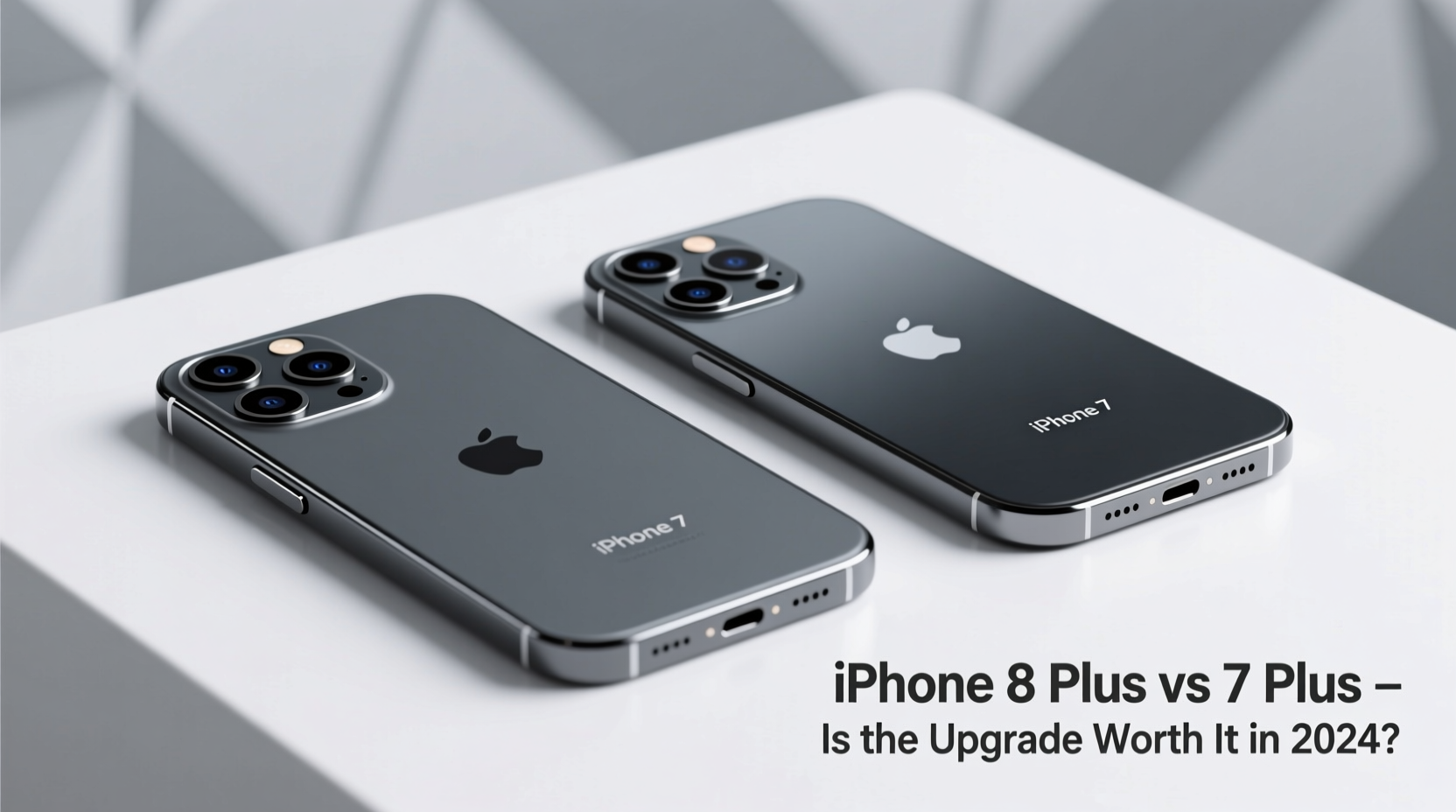
The most significant technical leap between the iPhone 7 Plus and 8 Plus lies in the processor. The 7 Plus runs on the A10 Fusion chip, while the 8 Plus features the A11 Bionic—a 64-bit chip with a neural engine designed for machine learning tasks. In practical terms, this means faster app launches, smoother multitasking, and better handling of modern iOS updates.
iOS 17, the latest version as of 2024, continues to support both devices, but performance benchmarks show a noticeable gap. Apps like Instagram, Google Maps, and Safari load about 15–20% faster on the 8 Plus. More importantly, the A11 handles background processes more efficiently, reducing lag during prolonged use.
Another key hardware upgrade is wireless charging. The iPhone 8 Plus supports Qi-based wireless charging, a feature absent in the 7 Plus. While not revolutionary, this adds convenience—especially if you already own a wireless charger or plan to integrate one into your routine.
Both phones have 3GB of RAM and similar storage options (32GB, 128GB, 256GB), so memory isn’t a deciding factor. However, the 8 Plus uses a slightly improved display with True Tone technology, which adjusts white balance based on ambient lighting for more natural visuals—an underrated but welcome enhancement for reading and media consumption.
Camera Comparison: Subtle but Meaningful Improvements
On paper, both phones feature dual 12MP rear cameras (wide and telephoto) and a 7MP front-facing camera. However, the 8 Plus benefits from larger and faster sensors, improved color accuracy, and better low-light performance thanks to the A11’s image signal processor.
In real-world conditions, photos taken on the 8 Plus exhibit less noise in dim environments, faster autofocus, and more consistent HDR processing. Portrait Mode sees subtle refinements in edge detection and depth mapping, though neither phone matches current-generation computational photography.
Video recording also improves: the 8 Plus supports 4K video at 60fps (up from 30fps on the 7 Plus) and stereo audio recording. If you regularly shoot video or share clips online, these upgrades matter.
“Even incremental improvements in sensor speed and processing can make a visible difference in everyday photography.” — David Lin, Mobile Imaging Analyst at TechLens Review
Longevity and Software Support Outlook
As of 2024, both devices are five to six years old. Apple typically supports iPhones with major iOS updates for 5–6 years after release. The iPhone 7 Plus launched in 2016 and received its last major update with iOS 17. The iPhone 8 Plus, released in 2017, is likely near the end of its update cycle as well.
While neither device is expected to receive iOS 18, the 8 Plus may linger in support longer due to its newer chipset. This extra year could be crucial for security patches and compatibility with banking, messaging, and productivity apps that increasingly require up-to-date operating systems.
Battery health is another concern. After years of use, many 7 Plus units suffer from degraded batteries, leading to throttling and poor performance. Replacing the battery can restore functionality, but even then, the older A10 chip struggles more under system strain compared to the A11.
Detailed Feature Comparison Table
| Feature | iPhone 7 Plus | iPhone 8 Plus |
|---|---|---|
| Release Year | 2016 | 2017 |
| Chipset | A10 Fusion | A11 Bionic |
| RAM | 3GB | 3GB |
| Wireless Charging | No | Yes (Qi-compatible) |
| Display Technology | Retina HD | Retina HD with True Tone |
| Video Recording | 4K @ 30fps | 4K @ 60fps, stereo audio |
| Water Resistance | IP67 (up to 1m for 30 mins) | IP67 (same rating) |
| Expected iOS Support End | Likely ended with iOS 17 | Possibly extends into 2024 |
| Current Resale Value (used, good condition) | $80–$120 | $130–$180 |
Real-World Example: Sarah’s Upgrade Dilemma
Sarah has used her iPhone 7 Plus since 2017. By 2023, she noticed apps taking longer to open, frequent crashes in Safari, and sluggish performance when switching between apps. Her battery lasted only half a day, even after a replacement. She considered upgrading to a newer iPhone but found them too expensive.
Instead, she bought a used iPhone 8 Plus for $150. Immediately, she noticed smoother animations, faster app loading, and better camera performance in low light. The ability to place her phone on a wireless charger overnight simplified her routine. While not a transformative leap, the upgrade extended her smartphone usability by at least another year without jumping to a $700+ device.
Sarah’s case illustrates that for budget-conscious users who rely on older iPhones, the 8 Plus offers a cost-effective middle ground—especially if purchased secondhand.
When the Upgrade Makes Sense: A Practical Checklist
Before deciding, consider the following checklist to determine if the switch from 7 Plus to 8 Plus is right for you:
- ✅ You’re experiencing frequent app lag or crashes on your 7 Plus
- ✅ You want access to wireless charging for convenience
- ✅ You rely on photo or video quality for social sharing or documentation
- ✅ You plan to keep your phone for another 1–2 years
- ✅ You can acquire the 8 Plus for under $180 (new or refurbished)
- ❌ You expect flagship-level performance or advanced camera features
- ❌ You need Face ID, OLED display, or Night Mode photography
Frequently Asked Questions
Can the iPhone 8 Plus run iOS 17 smoothly?
Yes, the iPhone 8 Plus runs iOS 17, but performance varies depending on usage. Light users will find it acceptable, but heavy multitaskers may notice slowdowns. It’s functional but not future-proof.
Is the camera upgrade worth it?
If you take photos regularly, especially in low light or record videos, yes. The 8 Plus offers better dynamic range, faster processing, and 4K60 video—features the 7 Plus lacks.
Should I upgrade if I already have a battery replacement in my 7 Plus?
Only if you’re also struggling with overall performance or want wireless charging. A fresh battery can extend the 7 Plus’s life significantly, making the 8 Plus upgrade less urgent.
Final Verdict: Is the Upgrade Worth It in 2024?
The iPhone 8 Plus is objectively better than the 7 Plus, but “worth it” depends on context. If you're still using a 7 Plus in 2024, you're likely prioritizing affordability and reliability over cutting-edge tech. For such users, the 8 Plus represents a modest but meaningful improvement—better processor, wireless charging, slightly superior camera, and potentially longer software support.
However, if you're spending over $200 for the upgrade, consider whether that money might be better saved toward a newer model like the iPhone SE (2022 or 2024), which offers 5G, modern chips, and full iOS support for years to come.
For those buying secondhand or trading internally, the 8 Plus remains a smart stopgap. It won’t dazzle, but it delivers noticeably smoother performance and modern conveniences that enhance daily usability.




 浙公网安备
33010002000092号
浙公网安备
33010002000092号 浙B2-20120091-4
Comments
No comments yet. Why don't you start the discussion?