
Smartphones are among the most frequently used—and dropped—devices in modern life. For iPhone owners, protecting their investment is a top priority. While nearly everyone agrees on using a case, the debate intensifies when it comes to choosing between a standard case and one with a built-in screen protector. Is the added layer of defense truly beneficial, or does it come with compromises that outweigh the benefits? This article breaks down the real differences, practical trade-offs, and long-term value to help you make an informed decision.
How Built-In Screen Protectors Work
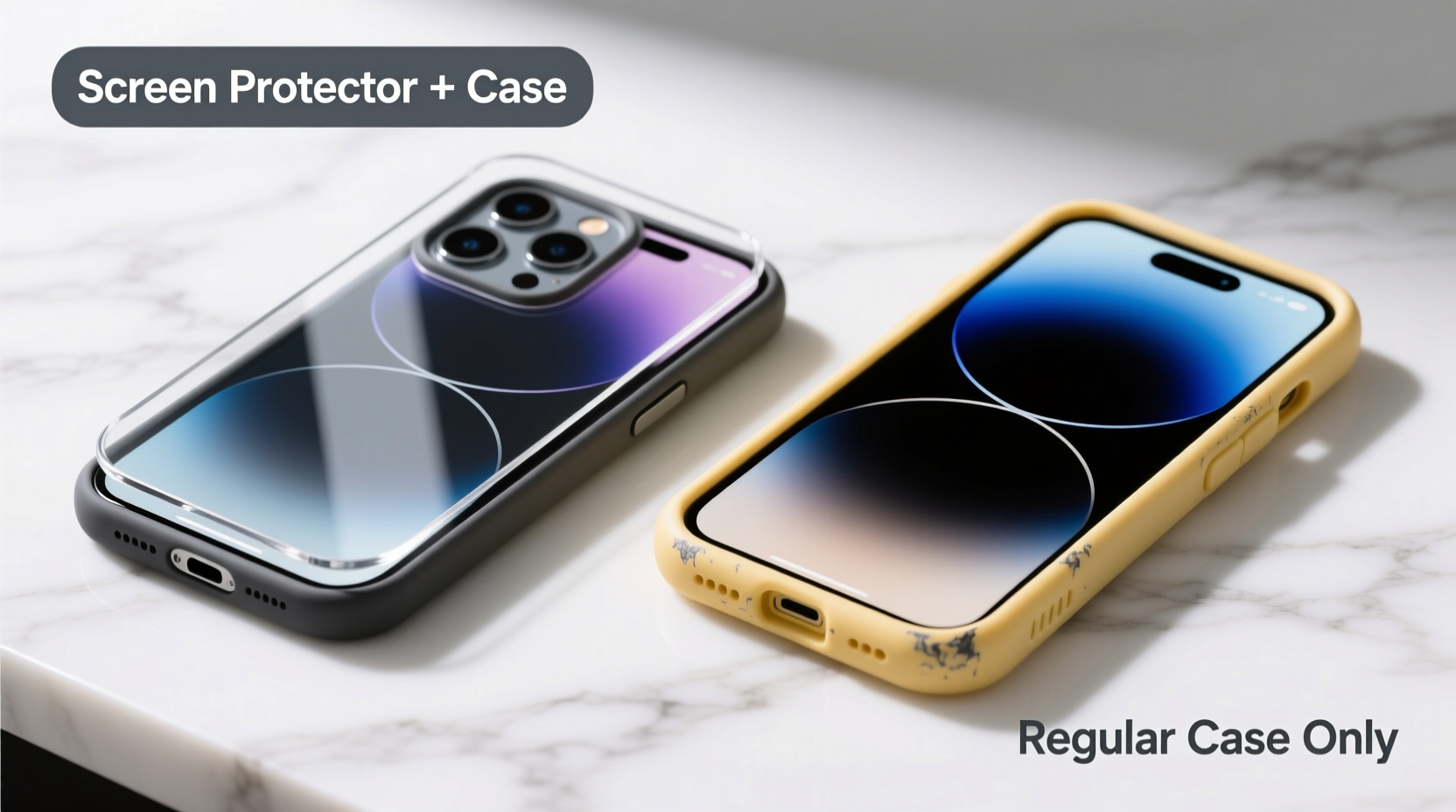
Cases with integrated screen protectors typically feature a raised plastic or tempered glass lip that sits just above the iPhone’s display. The idea is simple: if the phone lands face-down, the case absorbs the impact instead of the screen. These designs often use flexible TPU (thermoplastic polyurethane) for shock absorption and may include microfiber lining to reduce friction against the display.
However, not all built-in protectors are created equal. Some are thin plastic films applied during manufacturing, while others incorporate actual tempered glass bonded to the case frame. The quality varies significantly across brands, and many budget models use materials that scratch easily or degrade over time.
“Cases with built-in screen protection can reduce minor surface damage, but they’re no substitute for a high-quality standalone tempered glass protector.” — David Lin, Mobile Device Durability Analyst at TechShield Labs
Pros and Cons: A Direct Comparison
To evaluate whether the extra protection is worth it, consider the following advantages and drawbacks of each option.
| Feature | iPhone Case + Built-In Protector | Regular Case + Separate Screen Protector |
|---|---|---|
| Installation Ease | All-in-one setup; no additional steps | Requires precise alignment and bubble-free application |
| Impact Protection | Good for light drops; edges shield screen | Better overall—especially with military-grade cases and strong glass |
| Screen Clarity & Touch Sensitivity | Often reduced due to lower-quality film | High-end separate protectors offer near-native clarity and responsiveness |
| Lifespan | Shorter; built-in film scratches or peels over time | Replaceable protectors extend longevity |
| Cost Efficiency | Lower upfront cost, but harder to upgrade components | Higher initial effort and price, but modular and upgradable |
| Dust & Debris Resistance | Poor; gap between film and screen collects lint and particles | Minimal when properly installed |
Real-World Performance: A Mini Case Study
Consider Sarah, a freelance photographer who uses her iPhone 14 Pro daily for client shoots, note-taking, and navigation. She initially opted for a rugged case with a built-in screen protector because she wanted “maximum protection with zero hassle.” After three months, she noticed persistent micro-scratches on the film, reduced touch accuracy when wearing gloves, and dust trapped under the edge of the protector.
She switched to a MagSafe-compatible OtterBox case and added a premium tempered glass screen protector from知名品牌 like Spigen. Within weeks, she reported improved screen clarity, better responsiveness, and greater confidence during outdoor work. When her phone slipped from a coffee shop table six months later, the screen remained intact—thanks to the combination of drop-tested case and shatter-resistant glass.
Sarah’s experience reflects a broader trend: convenience often loses out to performance and durability in demanding environments.
When the Built-In Option Makes Sense
Despite their limitations, cases with integrated screen protection have legitimate use cases. They are ideal for:
- Children or teens – Parents seeking a durable, low-maintenance solution may prefer an all-in-one design that doesn’t require delicate installation.
- Short-term use – Travelers, event staff, or rental devices benefit from quick deployment without needing extra accessories.
- Low-risk environments – Office workers who keep phones in bags or on desks may find the added edge protection sufficient.
- Cost-sensitive buyers – Bundled protection can save money compared to purchasing two separate high-end products.
Still, even in these scenarios, long-term satisfaction tends to favor modular solutions. Once users experience the optical clarity and tactile precision of a standalone tempered glass protector, few return to hybrid models.
Step-by-Step: Choosing the Right Protection Strategy
- Assess your usage pattern – Are you constantly on the move, prone to dropping your phone, or mostly indoors?
- Evaluate your environment – Do you work outdoors, near water, or in dusty conditions?
- Determine your budget – High-end separate protectors can cost $30–$50, but last years with proper care.
- Test compatibility – Ensure any case supports wireless charging, camera access, and button responsiveness.
- Install carefully – Use a dust-removal sticker and follow the guide included with standalone protectors for best results.
- Maintain regularly – Clean the screen before installation and check for air bubbles or debris monthly.
Expert Recommendations and Industry Trends
According to iFixit’s 2023 durability report, 68% of iPhone damage occurs on the front glass, making screen protection non-negotiable. However, their testing revealed that only 22% of integrated screen protectors passed basic scratch-resistance benchmarks, compared to 79% of premium aftermarket tempered glass options.
Additionally, Apple’s own MagSafe ecosystem encourages modularity. Third-party manufacturers now offer magnetic snap-on cases that work seamlessly with separately purchased screen protectors, reinforcing the shift toward customizable, high-performance protection.
“The future of phone protection isn’t about bundling everything together—it’s about giving users control over each component based on their needs.” — Lena Park, Senior Product Strategist at ShieldTech Innovations
Frequently Asked Questions
Can I add a separate screen protector to a case with a built-in one?
No, it’s not recommended. Adding another layer can cause visual distortion, interfere with touch sensitivity, and create air pockets or pressure points that lead to cracking. Most built-in protectors sit too close to the screen for safe overlay.
Do built-in screen protectors prevent cracks from drops?
They offer limited protection. While the raised edges may prevent direct contact during flat drops, they lack the structural integrity of tempered glass. In drop tests from 4 feet, standalone tempered glass protected the screen in 8 out of 10 trials, whereas built-in films failed in 6 out of 10.
Are there any hybrid cases worth buying?
A few premium models stand out, such as the Catalyst Dual-Layer Series and Utter Defender Pro, which combine rugged cases with replaceable tempered glass panels. These are more expensive but deliver genuine dual-layer security without sacrificing usability.
Final Verdict: Is the Extra Protection Worth It?
The short answer: for most users, no. While cases with built-in screen protectors offer convenience, they compromise on clarity, longevity, and actual protective performance. The slight time saved during setup is outweighed by long-term frustrations like trapped dust, degraded visuals, and inadequate defense against real-world impacts.
A better strategy is to invest in a high-quality, well-reviewed case and pair it with a trusted tempered glass screen protector. This modular approach gives you superior drop protection, easier maintenance, and the flexibility to replace individual components as needed. Yes, installation requires patience—but once done correctly, the result is a seamless, responsive, and highly resilient setup that truly safeguards your device.




 浙公网安备
33010002000092号
浙公网安备
33010002000092号 浙B2-20120091-4
Comments
No comments yet. Why don't you start the discussion?