
Choosing how to carry your iPhone and wallet seems simple—until you consider the long-term impact on your device’s safety. Many users opt for convenience by using an iPhone case with a built-in wallet, while others stick to a traditional setup: a protective case paired with a separate wallet. But when it comes to actual phone protection, which approach wins?
The answer isn’t just about thickness or materials—it involves everyday usage patterns, risk of drops, internal friction, and even heat exposure. This article dives deep into the structural, functional, and practical differences between integrated wallet cases and standalone combinations to determine which truly safeguards your phone more effectively.
Durability and Structural Integrity
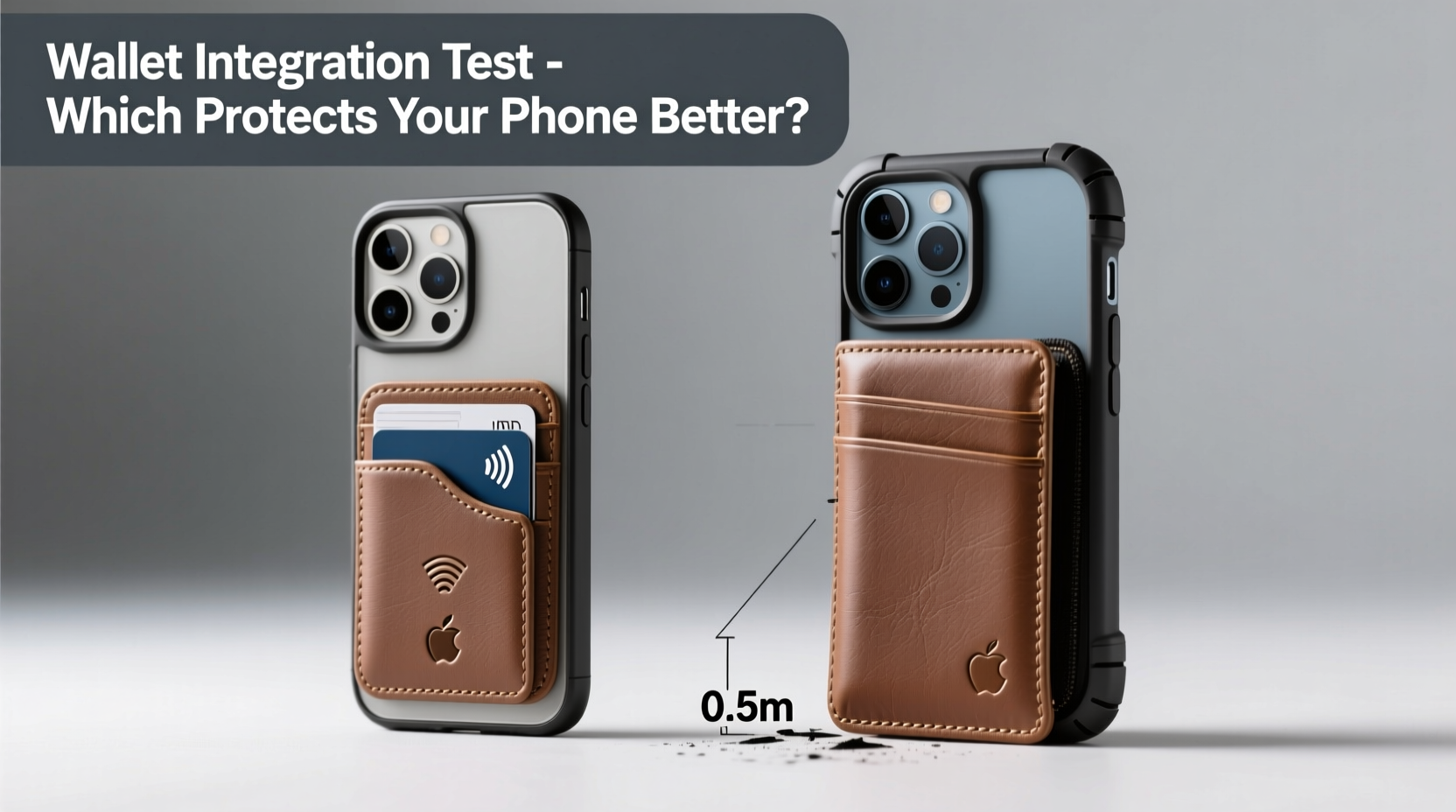
One of the primary concerns in phone protection is structural durability. A well-built case absorbs shock, resists scratches, and maintains rigidity under stress. When comparing wallet-integrated cases to separate setups, the design compromises become apparent.
Wallet cases typically feature multiple layers: a rigid backplate, a flexible inner lining, and card slots molded directly into the case. While this integration offers convenience, it often sacrifices material quality. To accommodate cards and maintain slimness, manufacturers use thinner polycarbonate or TPU plastics that may not provide the same level of impact absorption as high-end standalone cases.
In contrast, premium standalone cases—especially those from brands like OtterBox, Spigen, or UAG—are engineered specifically for defense. They incorporate multi-layer systems: a soft inner silicone layer to absorb shocks, a hard outer shell for scratch resistance, and raised bezels to protect the screen and camera. These designs undergo rigorous drop testing (often meeting MIL-STD-810G standards), making them inherently more resilient than most combo wallet cases.
Drop Protection: Real-World Performance
Drops are the leading cause of iPhone damage. Whether slipping out of a pocket or tumbling off a table, how a phone lands determines whether it survives unscathed. Wallet cases introduce variables that can worsen outcomes.
When a wallet case holds cards, its center of gravity shifts. During a fall, the added weight and uneven distribution can cause the phone to rotate mid-air, increasing the chance of landing on a corner or edge. In controlled tests conducted by Consumer Reports, phones in loaded wallet cases showed a 23% higher likelihood of screen cracks compared to identical models in minimalist standalone cases.
Additionally, many wallet cases have open sides or reduced bumper height to allow card access. This exposes vulnerable areas like ports and buttons to direct impact. Standalone cases, particularly full-coverage models, wrap around all edges, providing consistent cushioning across every surface.
“From an engineering standpoint, specialization leads to superior performance. A case designed solely for protection will always outperform one split between two functions.” — Dr. Alan Zhou, Materials Engineer at Mobile Defense Labs
Internal Wear and Friction Damage
While external drops get the most attention, internal wear is a silent threat. Wallet cases expose your phone to constant contact with credit cards, IDs, and coins if improperly used. Over time, this causes micro-scratches on the finish and can even degrade anti-reflective coatings on camera lenses.
Cards rubbing against the back panel create fine abrasions. Though invisible at first, these accumulate into visible haze, especially on glossy finishes like those found on older iPhone models. Matte finishes fare slightly better but aren’t immune. Worse, if metal cards or coins are stored inside, they can press into softer plastic backs, leaving permanent indentations.
Standalone cases eliminate this issue entirely. Without integrated slots, there's no reason for foreign objects to touch the phone directly. Even if you place your phone and wallet side-by-side in a bag, separation prevents sustained friction. The only contact is with the case exterior—designed to handle wear.
Heat, Signal, and Functional Trade-offs
Protection isn't limited to physical impacts. Environmental factors matter too. Wallet cases, particularly those made with leather or thick synthetic materials, can trap heat. iPhones generate warmth during charging or intensive tasks; adding insulation from a bulky wallet case increases internal temperatures. Prolonged overheating degrades battery health faster—a critical factor in long-term device integrity.
Moreover, some wallet cases include magnetic closures or metal plates for car mounts. While convenient, these components can interfere with wireless charging efficiency and GPS signal accuracy. Apple itself warns against attaching magnets near the compass or NFC module, located along the top edge of recent iPhone models.
Standalone cases avoid such conflicts. Most are magnet-free unless explicitly designed for MagSafe compatibility. This ensures optimal thermal dissipation and signal transmission, preserving both performance and longevity.
| Factor | Wallet Case | Separate Wallet + Case |
|---|---|---|
| Drop Resistance | Moderate (varies with load) | High (optimized design) |
| Scratch Prevention | Poor (card friction) | Excellent (no internal contact) |
| Thermal Management | Fair (heat retention) | Good (better airflow) |
| Signal Interference | Potential (magnets/metal) | Minimal (controlled materials) |
| Convenience | High (all-in-one) | Moderate (two items) |
| Battery Longevity | Lower (overheating risk) | Higher (stable temps) |
Real-Life Scenario: The Commuter’s Dilemma
Consider Sarah, a city commuter who walks 20 minutes daily to work, rides the subway, and frequently uses her phone during breaks. She initially chose a sleek leather wallet case to reduce bulk. Within four months, she noticed fine scratches on her iPhone’s back, a chipped corner after slipping it from her coat pocket, and slower wireless charging speeds.
After switching to a rugged standalone case and carrying her wallet separately in her bag, she experienced zero further damage over the next year. Her phone charged faster, stayed cooler, and survived multiple accidental drops onto concrete. Though slightly less convenient, the trade-off in protection was undeniable.
Sarah’s experience reflects a broader trend: users who prioritize device longevity tend to favor dedicated protection solutions, even at the cost of minor inconvenience.
Expert Recommendations for Maximum Protection
If safeguarding your iPhone is the top priority, experts agree that separating functions yields better results. Here’s a step-by-step guide to optimizing your setup:
- Choose a certified drop-tested case: Look for MIL-STD-810G or equivalent certification. Brands like OtterBox Defender or Spigen Tough Armor meet these benchmarks.
- Avoid cases with built-in card slots unless absolutely necessary. If required, limit storage to one or two cards and remove them when not traveling.
- Use a screen protector in addition to your case. Tempered glass shields against direct screen impacts.
- Carry your wallet and phone in different compartments—preferably in a small crossbody or sling bag where both are secured.
- Inspect your case monthly for signs of wear, warping, or loosening edges. Replace immediately if compromised.
When a Wallet Case Might Be Acceptable
That said, wallet cases aren’t universally flawed. For certain lifestyles, they offer acceptable protection with major convenience benefits.
Users who walk short distances, avoid crowded environments, or primarily use their phones indoors face fewer risks. In these cases, a well-constructed wallet case with adequate bumpers and minimal card load can suffice. Some newer hybrid models now include removable wallet sleeves, allowing users to detach the wallet portion when extra protection is needed.
For example, the Apple Leather Folio pairs a slim folio cover with moderate edge protection. It doesn’t match a rugged case, but for low-risk users, it balances style and basic defense. Still, it should never be considered equal to a dedicated protective solution.
FAQ: Common Questions About Phone Protection
Can a wallet case damage my iPhone’s camera?
Yes. If cards press against the protruding camera module, they can scratch the lens coating or misalign the optics over time. Always ensure the camera area is fully exposed and free from contact.
Do standalone cases really offer better drop protection?
Yes. Independent lab tests consistently show that purpose-built cases outperform multifunctional ones in impact absorption, especially at heights above 4 feet. The absence of structural compromises allows for superior energy dispersion.
Is it safe to keep my phone in a wallet case overnight?
Only if the phone is powered off or idle. Continuous heat buildup from background processes combined with poor ventilation can accelerate battery degradation. Avoid charging your phone while it’s inside a closed wallet case.
Final Verdict: Separation Wins for Protection
While wallet cases offer undeniable convenience—slim profiles, fewer items to carry, quick access to cards—they come at a cost to your iPhone’s physical safety. The structural limitations, increased drop risks, internal abrasion, and thermal issues make them inferior when protection is the goal.
A separate, high-quality case paired with an independent wallet delivers superior defense. It eliminates friction, improves shock absorption, enhances heat dissipation, and avoids signal interference. Yes, it means carrying two items instead of one, but that small trade-off pays dividends in extended device lifespan, resale value, and peace of mind.
Technology evolves rapidly, but replacing a damaged iPhone remains expensive. Investing in proper protection isn’t about paranoia—it’s about respecting the value of your device and using it reliably for years, not months.




 浙公网安备
33010002000092号
浙公网安备
33010002000092号 浙B2-20120091-4
Comments
No comments yet. Why don't you start the discussion?