
Carrying an iPhone in a case has become second nature for most users. But when it comes to choosing between a regular protective case and one that doubles as a wallet, opinions diverge sharply. The appeal of having your phone and cards in one place is undeniable—fewer items to carry, less chance of forgetting your ID or credit card. Yet, the added thickness and rigidity can feel like a compromise. So, is the extra bulk of a wallet case truly justified by its benefits?
This isn’t just about convenience versus aesthetics. It’s about how your daily habits, lifestyle, and priorities shape what kind of case makes sense for you. From security concerns to long-term device wear, the decision impacts more than just pocket space.
The Core Differences: Functionality First
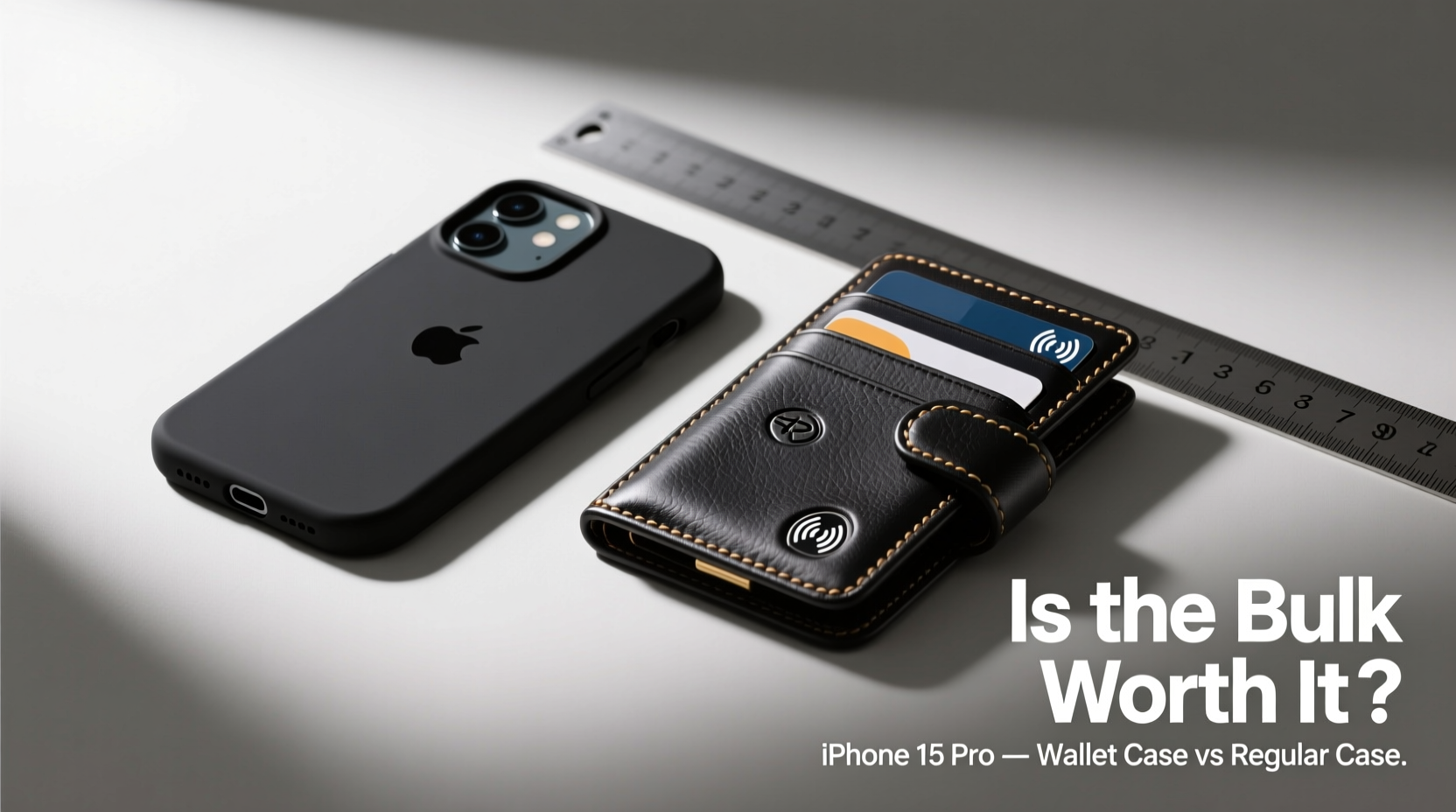
A regular iPhone case serves one primary purpose: protection. Whether it’s a slim silicone sleeve, rugged military-grade shell, or minimalist bumper, its job is to guard against drops, scratches, and minor impacts. These cases are designed with discretion in mind—slim profiles, easy pocket access, and minimal interference with wireless charging or MagSafe accessories.
In contrast, a wallet case integrates card slots (and sometimes cash pockets) directly into the back of the phone. This transforms your iPhone into a hybrid device—part communication tool, part payment method. Most modern wallet cases hold 2–4 cards, often with RFID-blocking materials to prevent digital theft. Some even feature kickstands or auto-wake functionality.
The key trade-off? Thickness. Wallet cases add noticeable girth. What was once a sleek 8mm phone now feels closer to a small tablet in hand. That extra millimeter might not sound like much, but over hours of use, it changes how comfortably the phone fits in your palm or slips into a tight jeans pocket.
Pros and Cons at a Glance
| Aspect | Wallet Case | Regular Case |
|---|---|---|
| Convenience | High – fewer items to carry; ideal for quick outings | Low – still need separate wallet/pouch |
| Bulk & Weight | Noticeably thicker and heavier | Slim and lightweight |
| Protection | Often robust due to layered design | Varies widely by model |
| Wireless Charging | Sometimes blocked by cards; requires removal | Generally seamless compatibility |
| Security Risk | Higher – lose phone = lose cards | Lower – cards stored separately |
| Style & Flexibility | Less variety; functional focus | Wider range of colors, materials, designs |
When a Wallet Case Makes Sense
For certain lifestyles, the wallet case isn’t just convenient—it’s transformative. Urban commuters who walk or bike to work appreciate leaving the house with only their phone and keys. Minimalists trying to reduce clutter find value in consolidating essentials. Travelers navigating airports benefit from having boarding passes and ID immediately accessible without digging through bags.
Consider Alex, a freelance photographer based in Brooklyn. He shoots street portraits and often walks miles across the city with just his camera and phone. “I used to carry a small crossbody wallet,” he says. “But after switching to a MagSafe-compatible wallet case, I cut out an entire item. Now I tap my card on readers with the phone still in hand. It saves seconds every time—but those seconds add up.”
This kind of efficiency matters most during high-movement routines: grabbing coffee, hopping on transit, checking into gyms. In these moments, pulling out a full wallet disrupts flow. A wallet case streamlines the interaction.
Why Many Still Prefer Regular Cases
Despite the allure of integration, many users remain loyal to traditional cases. The reasons are both practical and psychological.
First, there's risk mitigation. Losing your phone is stressful enough. When it also holds your driver’s license, credit cards, and office badge, the fallout multiplies. Replacing documents takes time and effort. Even with Apple’s Find My network, recovery isn't guaranteed—especially if the thief removes the SIM or disables location services.
Second, ergonomics suffer. Holding a thick, top-heavy phone for extended periods leads to hand fatigue. Typing one-handed becomes harder. And slipping it into narrow pockets? Often impossible.
“Consolidation sounds great until you realize you’ve tied all your daily tools to a single point of failure.” — Jordan Lee, Mobile Lifestyle Consultant
Additionally, heat buildup can be an issue. Cards trapped behind the phone may interfere with散热 (heat dissipation), especially during gaming or navigation. Over time, this could affect battery longevity.
Step-by-Step: Choosing the Right Option for You
Deciding between a wallet case and a regular case doesn’t have to be arbitrary. Follow this logical sequence to align your choice with your actual usage patterns:
- Track your daily carry for three days. Note what you bring: phone, wallet, keys, earbuds, etc. How often do you use each?
- Assess your movement level. Do you walk/run/bike frequently? High mobility favors consolidation.
- Evaluate your payment habits. Are you mostly using Apple Pay? Then physical cards matter less.
- Test grip comfort. Hold a dummy setup—tape a few cards to your current case. Use it for a few hours. Does it feel awkward?
- Consider backup plans. If your phone is lost/stolen, do you have digital backups of IDs? Can you freeze cards instantly via banking apps?
- Determine priority: convenience or safety? Answer honestly—this will guide your final decision.
Hybrid Solutions Worth Exploring
You don’t always have to choose extremes. The market now offers middle-ground options:
- Magnetic wallet attachments: Slim MagSafe wallets that snap on only when needed. Remove them for charging or pocket storage.
- Foldable ultra-slim wallet cases: These open like a folio but fold flat when empty, reducing bulk.
- Back-of-phone card holders: Minimalist adhesive sleeves that hold one or two cards—ideal for emergency backups.
These hybrids give you flexibility. Use the wallet function during errands or travel, then detach it for movie nights or workouts.
FAQ
Can wallet cases damage my iPhone over time?
Not inherently, but poor-quality models may trap moisture or block ventilation ports. Always ensure proper fit and avoid leaving damp environments (like wet gym bags) unattended with a sealed wallet case.
Do wallet cases interfere with Apple Pay?
No. Apple Pay uses NFC technology independent of any physical cards in the case. You can use digital wallets even when carrying credit cards on the back.
Are RFID-blocking wallet cases necessary?
Debatable. While RFID skimming exists, real-world incidents are rare. However, if you’re concerned about data privacy, especially while traveling, RFID protection adds peace of mind at minimal cost.
Final Verdict: Is the Bulk Worth It?
The answer depends entirely on your rhythm of life. For those who value speed, simplicity, and minimalism, a wallet case delivers tangible benefits that outweigh the added thickness. The ability to leave the house with just your phone in hand creates a sense of freedom many describe as liberating.
But if you prioritize security, comfort, or own multiple cards and IDs, a regular case paired with a dedicated wallet remains the smarter, safer choice. And remember: convenience shouldn’t come at the cost of anxiety. If losing your phone would cripple your day because everything is inside it, you’ve centralized too much.




 浙公网安备
33010002000092号
浙公网安备
33010002000092号 浙B2-20120091-4
Comments
No comments yet. Why don't you start the discussion?