
In 2025, smartphones have become more than just communication tools—they're digital keys, payment hubs, and personal assistants. With Apple's continued push into mobile payments, transit passes, and ID integration through the iPhone Wallet app, the idea of combining your phone and wallet into one device has never been more tempting. But does merging your essentials into a single gadget actually make sense in practice? Or are you sacrificing security, flexibility, and longevity for the sake of minimalism?
The debate between using an iPhone wallet case versus carrying a traditional separate wallet isn’t just about preference—it’s about lifestyle, risk tolerance, and how much you rely on seamless daily functionality. As digital wallets evolve and contactless infrastructure expands globally, it’s time to reevaluate what “convenience” really means.
The Rise of the All-in-One Phone Case
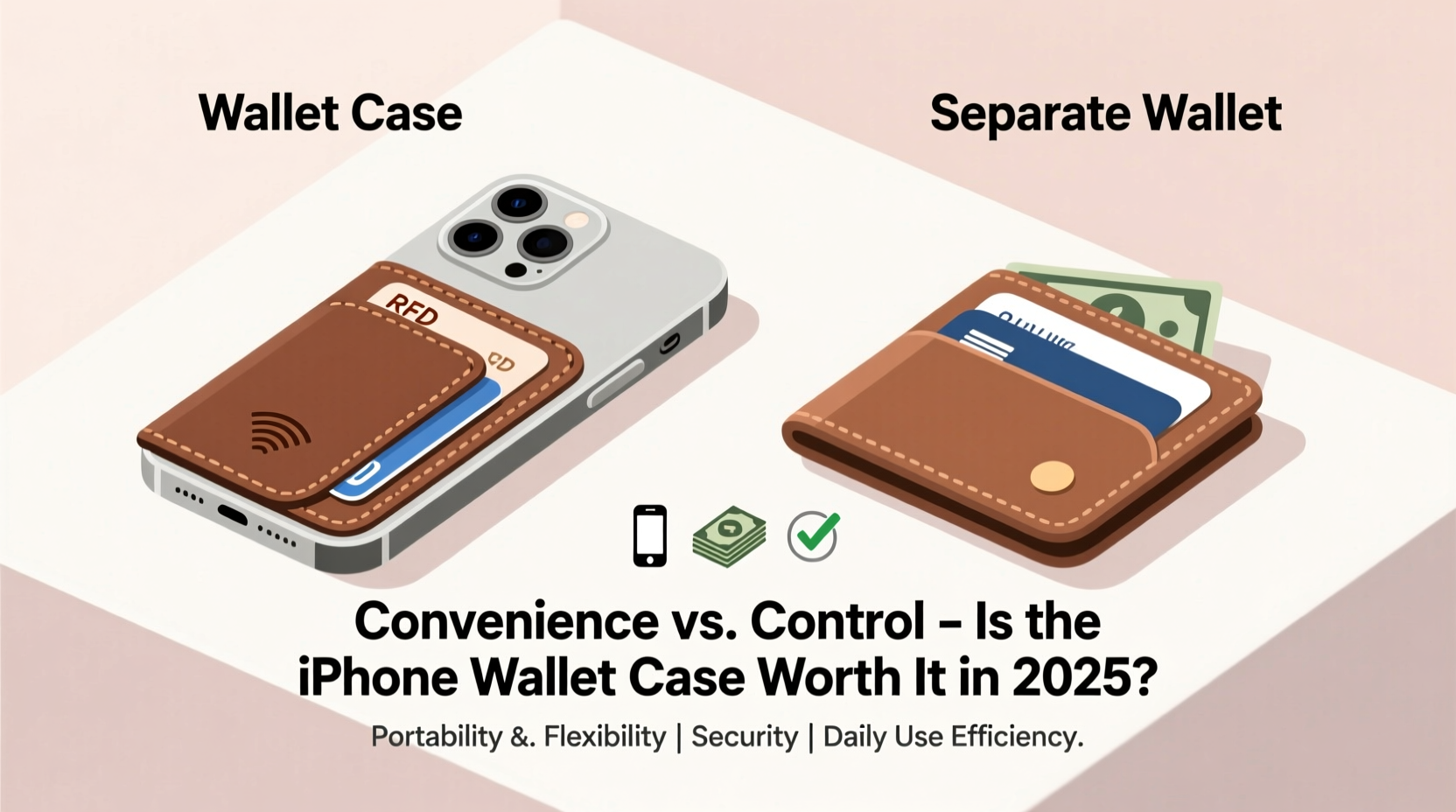
Wallet cases—iPhone accessories that include card slots or even cash compartments—have been around for years. In 2025, they’ve evolved beyond bulky leather sleeves into sleek, MagSafe-compatible designs with RFID shielding and minimalist profiles. Brands like Nomad, ESR, and Apple-licensed manufacturers now offer options that blend form and function, appealing to urban professionals and travelers alike.
These cases promise simplicity: no digging through pockets, fewer items to lose, and faster access to cards when paired with Face ID or Apple Pay. For many, this consolidation feels like progress. But real-world usage reveals trade-offs that aren’t always obvious at first glance.
Convenience vs. Practicality: A Real-World Breakdown
On paper, the wallet case wins by reducing clutter. Instead of juggling a phone, wallet, and keys, you carry just two items. This appeals especially to those who prefer pocket-only carry or live in walkable cities where backpacks feel excessive.
However, practicality emerges when things go wrong. What happens if you drop your phone and crack the screen? Now, not only is your communication device compromised, but so is your ID, credit cards, and possibly your only method of payment. With a separate wallet, losing one doesn’t mean losing everything.
Likewise, charging becomes a minor friction point. Most wallet cases require removing the phone for wireless charging, which defeats the purpose of always-on readiness. Some newer models support pass-through charging, but they often add bulk or reduce heat dissipation efficiency.
Digital Wallets Are Smarter Than Ever—but Not Universal
Apple Wallet in 2025 supports far more than credit cards. It can store driver’s licenses (in supported U.S. states), boarding passes, event tickets, car keys, home entry codes, and even student IDs. For users deeply embedded in the Apple ecosystem, going fully digital is increasingly viable.
Yet limitations remain. Many small businesses, rural areas, and international destinations still lack reliable NFC infrastructure. In countries like Japan or Germany, while contactless adoption is high, local payment systems may not integrate seamlessly with Apple Pay. And government services? Don’t count on digital IDs replacing physical ones anytime soon.
“Carrying everything on your phone creates a single point of failure. Redundancy isn’t outdated—it’s resilience.” — Marcus Tran, Cybersecurity Consultant & Mobile Infrastructure Analyst
Security Considerations in 2025
Physical theft isn’t the only concern. RFID skimming remains a low-risk but real threat, especially in crowded areas. While most premium wallet cases now include RFID-blocking materials, poorly designed third-party options may offer false security.
Then there’s digital exposure. If your iPhone is stolen and not immediately locked via Find My, a thief could potentially access stored cards—even with biometric locks, brief windows of vulnerability exist after unlocking. A separate wallet, while physically stealable, doesn’t grant access to your digital life.
Additionally, over-reliance on digital storage can backfire during emergencies. Power outages, dead batteries, or software glitches can leave you stranded without payment methods. Carrying a backup card or cash in a separate location remains a prudent hedge.
Who Benefits Most from Wallet Cases?
- Urban commuters who move quickly between transit, cafes, and offices.
- Minimalists aiming for pocket-only carry with zero tolerance for bulk.
- Frequent Apple Pay users in regions with mature contactless networks.
- Tech-forward travelers using digital boarding passes and hotel keys.
For these groups, the convenience of a wallet case often outweighs the risks—especially when used as a supplement rather than a complete replacement for a full wallet.
Comparison: Wallet Case vs. Separate Wallet (2025 Edition)
| Feature | Wallet Case | Separate Wallet |
|---|---|---|
| Bulk & Portability | Highly compact; reduces total items carried | Adds thickness; requires additional pocket/space |
| Access Speed | Instant card access; integrates with Apple Pay | Slight delay retrieving from pocket/bag |
| Risk of Total Loss | High—if phone is lost/stolen, wallet is gone too | Low—can lose one without losing the other |
| Charging Compatibility | Often requires removal; some support pass-through | No interference with charging routines |
| Durability | Increased wear on phone edges; case may degrade | Wallet wears independently; less stress on phone |
| Digital Integration | Seamless with Apple Wallet and MagSafe accessories | Limited unless using smart wallets (e.g., tracking features) |
Smart Strategy: The Hybrid Approach
Many savvy users in 2025 adopt a hybrid model: they use a slim wallet case for daily essentials—like a work badge, transit card, and one credit card—while keeping a secondary physical wallet at home or in their bag for backup IDs, extra cash, and emergency cards.
This setup balances convenience with redundancy. You enjoy the speed and simplicity of all-in-one access during routine days, yet retain fallback options when traveling, attending events, or facing tech failures.
Step-by-Step: Building Your 2025 Carry System
- Assess your daily needs: How many cards do you actually use each day? Often, it’s just one or two.
- Select a MagSafe-compatible wallet case: Choose one with RFID protection and a secure card grip.
- Load essential cards only: Driver’s license, primary credit card, office badge.
- Maintain a secure backup wallet: Store at home or in a bag with spare cash, insurance cards, and alternate IDs.
- Enable Find My iPhone and Activation Lock: Critical for remote protection if your phone is lost.
- Test real-world usability: Try a week with only the wallet case. Note pain points like charging delays or discomfort in larger pockets.
Mini Case Study: Alex, Urban Designer in Berlin
Alex, 34, works as a freelance designer in Berlin and prides himself on a minimalist carry. He switched to a wallet case in early 2024, relying solely on Apple Pay and a single debit card tucked behind his iPhone 15 Pro. At first, it worked flawlessly—cafes, trams, and coworking spaces all accepted contactless payments.
But during a weekend trip to rural Bavaria, he encountered a family-run inn that only accepted cash. His phone battery died en route, and with no backup wallet, he had to borrow money from a friend to check in. Since then, Alex keeps €50 in a slim front-pocket wallet, using his phone case only for digital interactions.
“I learned that convenience only counts when it actually works,” he says. “Now I optimize for reliability, not just sleekness.”
FAQ: iPhone Wallet Case vs. Separate Wallet
Can I use Apple Pay and a wallet case at the same time?
Yes. In fact, they complement each other. You can tap to pay with Apple Pay or remove a physical card from the case—whichever is faster in the moment.
Do wallet cases damage iPhones over time?
Poorly made cases can cause edge wear or interfere with cooling. High-quality, precision-fit cases from reputable brands minimize these risks. Avoid overstuffing, as pressure can warp the phone’s frame over time.
Are digital wallets safer than physical ones?
Digital wallets offer encryption and remote wipe capabilities, making them secure against physical theft. However, they depend on battery life and network access. Physical wallets lack digital vulnerabilities but can be lost or stolen without recovery options.
Final Verdict: Is the Convenience Worth It?
In 2025, the iPhone wallet case is more functional and better designed than ever—but it’s not universally optimal. For city dwellers immersed in digital ecosystems, it offers genuine time-saving benefits. For travelers, outdoor workers, or anyone in inconsistent connectivity zones, the risk of total dependency outweighs the perks.
The smartest approach isn’t choosing one over the other. It’s designing a system that uses the wallet case as a tool, not a crutch. Combine digital readiness with physical redundancy. Let convenience serve you—don’t let it trap you.




 浙公网安备
33010002000092号
浙公网安备
33010002000092号 浙B2-20120091-4
Comments
No comments yet. Why don't you start the discussion?