
In a smartphone market obsessed with cutting-edge features, foldable screens, and AI-powered cameras, two older iPhones quietly continue to deliver real-world value: the iPhone XR and the iPhone 8 Plus. While newer models grab headlines, these devices remain in use by millions—many of whom didn’t jump to the latest release. The question isn't whether they're outdated; it's whether people are overlooking their enduring strengths. For budget-conscious buyers, long-term reliability seekers, or those who simply don’t need every new gimmick, the answer might surprise you.
Why Older iPhones Still Matter
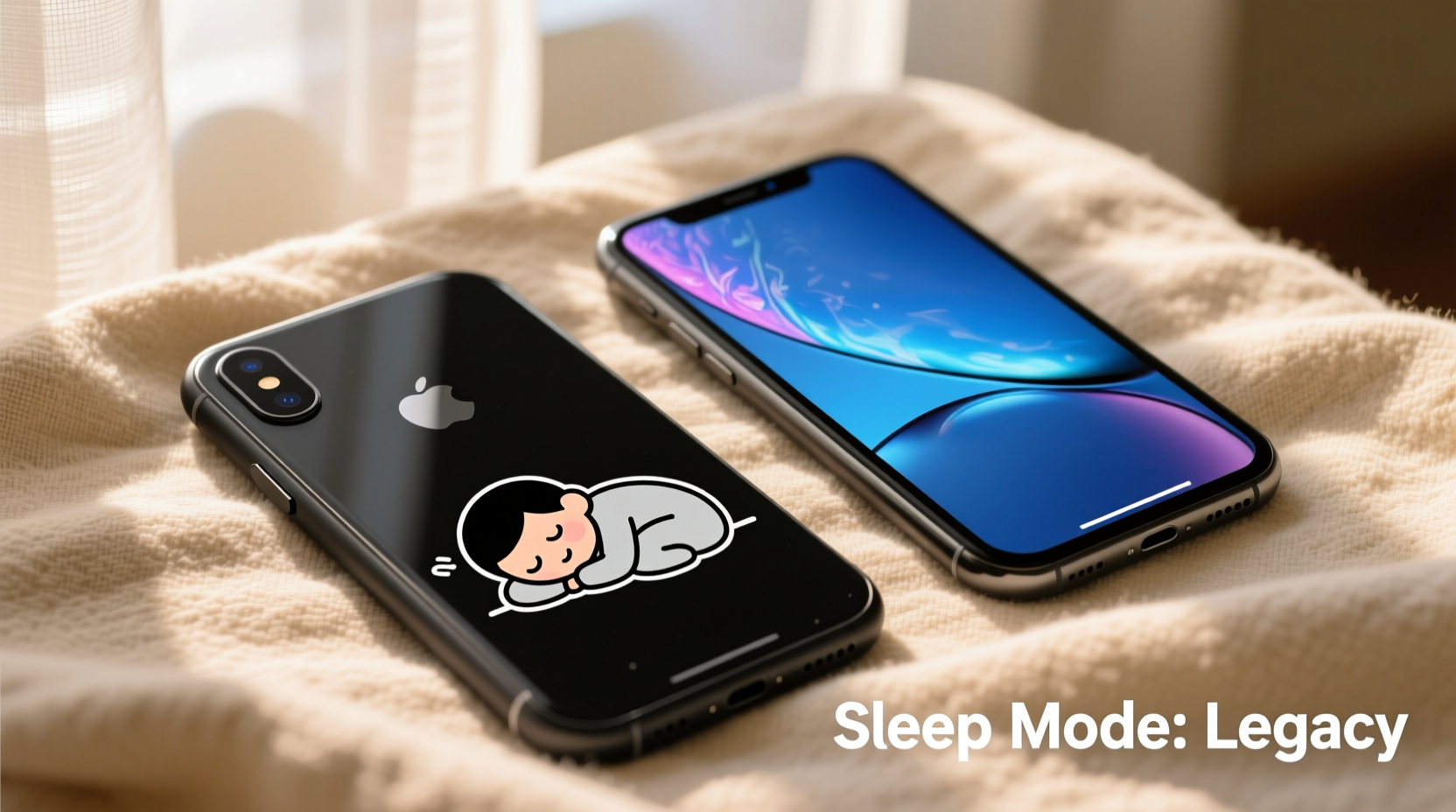
The tech industry thrives on novelty. Every year, Apple releases a new iPhone with incremental improvements that are often marketed as revolutionary. But for many users, especially outside the early adopter crowd, performance longevity, battery efficiency, and iOS support matter more than millimeter-thin bezels or slightly faster processors.
The iPhone XR (2018) and iPhone 8 Plus (2017) were built during a golden era of Apple hardware—devices designed not just for launch-day excitement, but for years of daily use. Both run iOS 17 as of 2024, receive security updates, and support most modern apps. More importantly, they offer core iPhone experiences without the premium price tag of current Pro models.
“People underestimate how long an iPhone can last when it’s built on solid foundations. The XR and 8 Plus weren’t just stopgaps—they were mainstream flagships.” — David Lin, Mobile Analyst at TechPulse Insights
Design & Display: A Tale of Two Philosophies
The iPhone 8 Plus represents the end of Apple’s classic design language: thick bezels, Touch ID, and a home button. It’s a device optimized for familiarity and physical feedback. In contrast, the iPhone XR embraced the future with a nearly edge-to-edge Liquid Retina display, Face ID, and a single-lens camera system wrapped in aerospace-grade aluminum.
While the 8 Plus has a 5.5-inch LCD screen with 1080p resolution, the XR’s 6.1-inch display offers better color accuracy and brightness despite also being LCD-based. However, both lack OLED quality found in higher-end models. What sets them apart is usability: the 8 Plus fits comfortably in one hand for some, while the XR’s taller screen suits media consumption and web browsing.
Performance Comparison: Chipset Longevity Matters
Under the hood, both phones pack impressive silicon for their time. The iPhone 8 Plus uses the A11 Bionic chip, while the XR runs the A12 Bionic—one of Apple’s most efficient processors ever. Despite being a year apart, the performance gap is significant.
The A12 delivers up to 15% faster CPU performance and up to 50% faster GPU performance over the A11. More crucially, it enables better machine learning capabilities, augmented reality apps, and smoother multitasking. This translates into longer software relevance. As of 2024, the XR handles iOS 17 far more fluidly than the 8 Plus, particularly in app launches and background processing.
For users who rely on productivity tools, photo editing, or gaming, the XR remains surprisingly capable. Games like *Genshin Impact* run at medium settings, and everyday tasks like messaging, browsing, and navigation feel snappy.
Camera Capabilities: One Lens vs. Two Sensors
The iPhone 8 Plus stands out with its dual 12MP rear cameras: wide and telephoto. This allows true 2x optical zoom and Portrait Mode with depth control—a feature absent on the base XR at launch. Apple later added software-based Portrait Mode to the XR via updates, but it relies on facial mapping rather than dual-sensor data.
On paper, the 8 Plus should win. In practice, the XR’s A12 processor and improved image signal processing often produce sharper, better-exposed photos in mixed lighting. Its single wide lens captures excellent detail, and Smart HDR brings balance to high-contrast scenes.
Front-facing, the XR wins decisively. Its 7MP TrueDepth camera supports Animoji, Face ID, and better selfie quality thanks to advanced noise reduction and portrait effects.
| Feature | iPhone XR | iPhone 8 Plus |
|---|---|---|
| Processor | A12 Bionic | A11 Bionic |
| Rear Cameras | Single 12MP (Wide) | Dual 12MP (Wide + Telephoto) |
| Portrait Mode (Rear) | Software-based (Face-focused) | Hardware-enabled (Any subject) |
| Front Camera | 7MP TrueDepth | 7MP, standard |
| Battery Life (Video Playback) | Up to 16 hours | Up to 14 hours |
| Biometric Unlock | Face ID | Touch ID |
| iOS 17 Support | Yes | Limited (slower performance) |
Real-World Use Case: Sarah’s Upgrade Dilemma
Sarah, a freelance graphic designer from Portland, was due for a phone upgrade in late 2023. She considered the iPhone 14 and even looked at Android options, but after testing several devices, she returned to her old iPhone XR—purchased in 2019. “It still opens Photoshop Express quickly, handles video calls without lag, and the battery gets me through a full workday,” she said. “I replaced the battery last year for $50, and now it feels like new.”
She briefly tried borrowing a friend’s iPhone 8 Plus and appreciated the physical home button but found the interface slower and the screen smaller than she’d grown accustomed to. “The XR strikes a sweet spot between size, speed, and simplicity,” she concluded. Her decision saved her over $600 compared to buying new.
When the 8 Plus Makes Sense Today
Despite the XR’s advantages, the 8 Plus still holds niche appeal. Users who prioritize:
- Physical Touch ID over Face ID
- True optical zoom for photography
- Better resale value for accessories (like docks and cases)
- Compatibility with older Lightning-based audio setups
…might find the 8 Plus a better fit. Additionally, some enterprise environments still rely on fingerprint authentication, making the 8 Plus a practical choice for field workers or service technicians.
Step-by-Step: How to Choose Between Them in 2024
- Assess your biometric preference: Do you want Face ID (XR) or Touch ID (8 Plus)?
- Evaluate camera needs: Need optical zoom or shoot portraits of objects (not just people)? 8 Plus wins.
- Check battery health: Use Settings > Battery > Battery Health. Below 80%? Consider a replacement or repair.
- Test iOS 17 performance: Visit an Apple Store or borrow a used unit to see how smoothly it runs.
- Compare prices: As of 2024, unlocked XR models range from $150–$220; 8 Plus from $120–$180.
- Consider future-proofing: The XR will likely support iOS updates one year longer than the 8 Plus.
Frequently Asked Questions
Can the iPhone XR or 8 Plus handle modern apps?
Yes. Both devices run iOS 17 and support major apps like Instagram, WhatsApp, Google Maps, and banking platforms. The XR performs significantly better in multitasking and AR applications.
Is it safe to buy either phone used in 2024?
Yes, but only if you verify battery health (ideally above 85%), ensure it’s not iCloud locked, and purchase from reputable sellers. Replacing the battery adds 2–3 years of usable life.
Which has better battery life?
The iPhone XR offers up to 16 hours of video playback versus 14 hours on the 8 Plus. Real-world usage shows the XR lasting longer under typical mixed use due to the more power-efficient A12 chip.
Final Verdict: Are We Sleeping on These Models?
Absolutely. While the iPhone XR and iPhone 8 Plus no longer make headlines, they represent smart, sustainable choices in an age of disposable tech. The XR, in particular, remains one of Apple’s best-value smartphones ever made—offering flagship-tier performance, excellent build quality, and years of software support at a fraction of today’s prices.
The 8 Plus appeals to traditionalists and photographers who value optical zoom and physical buttons. But for most users, the XR delivers a more modern experience with stronger long-term viability.
“The best phone isn’t always the newest. It’s the one that fits your life, works reliably, and doesn’t break the bank.” — Maria Tran, Sustainable Tech Advocate
Take Action: Rethink Your Upgrade Cycle
Before lining up for the next big iPhone launch, ask yourself: do you really need it? Thousands of users are extending the life of older models through simple maintenance, battery replacements, and mindful usage. The iPhone XR and 8 Plus prove that thoughtful engineering lasts. Whether you’re buying secondhand, holding onto your current device, or helping someone choose their first smartphone, consider these veterans not as relics—but as underrated performers still delivering value in 2024.




 浙公网安备
33010002000092号
浙公网安备
33010002000092号 浙B2-20120091-4
Comments
No comments yet. Why don't you start the discussion?